Landslide at Illegal Colombian Gold Mine Claims 13 Lives, Exposing Deep-Seated Perils of Unregulated Extraction
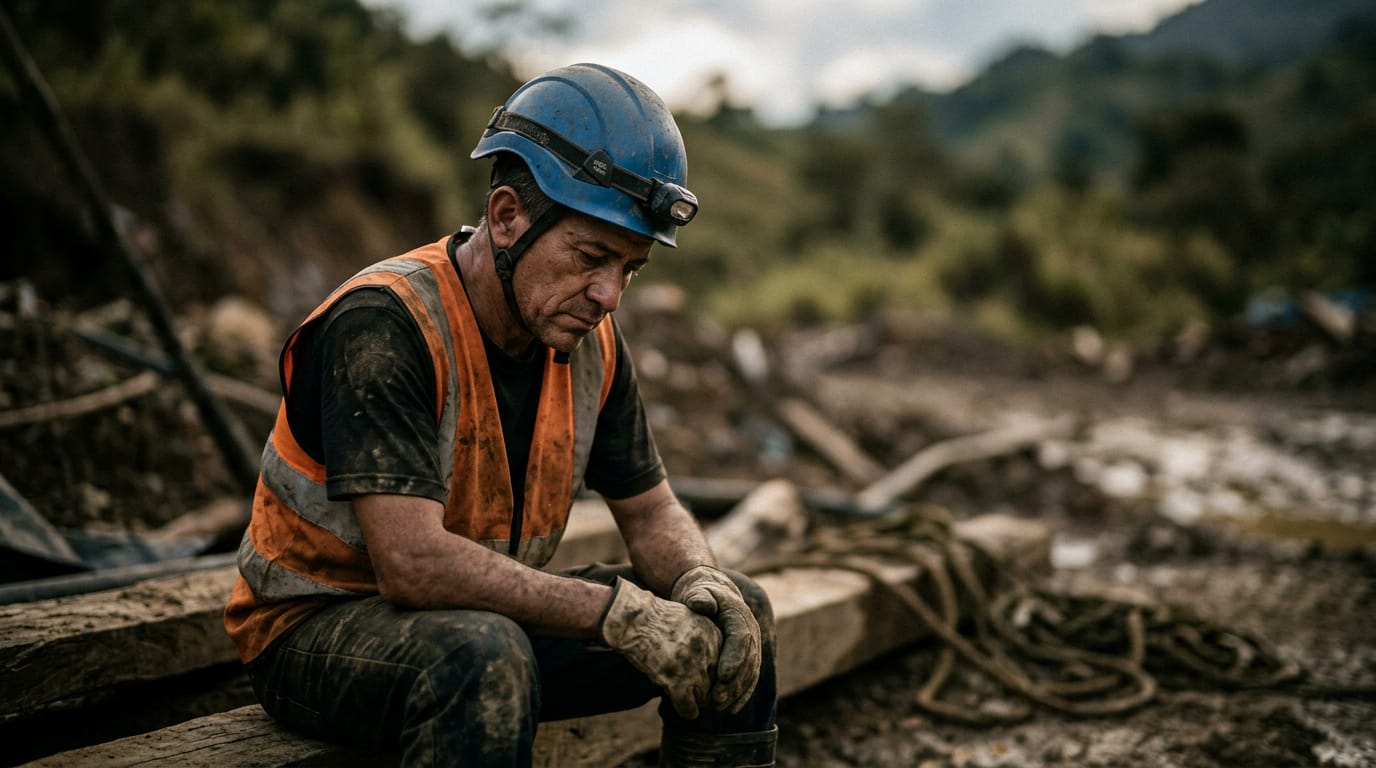
BOGOTÁ, Colombia – A devastating landslide at an illegal gold mine in southwestern Colombia on Wednesday night claimed the lives of at least 13 individuals and left seven others injured, according to government officials. The tragic incident, which unfolded in the rural reaches of Policarpa municipality in the Nariño department, casts a somber light on the inherent dangers and pervasive challenges associated with illicit mining operations across the nation, particularly as Colombia grapples with a series of recent national crises.
The Catastrophe Unfolds in Nariño
The fatal collapse occurred when a slope gave way at the clandestine mining site, burying workers beneath tons of earth and rock. Fredy Gamez, the government secretary for the Nariño department, confirmed that the mining activity itself likely triggered the deadly landslide. Emergency services, including firefighters and local residents, immediately mobilized. Working through the night into Thursday morning, rescue teams deployed heavy machinery in a desperate effort to locate and extricate those trapped. Seven miners were successfully pulled from the rubble and transported to nearby medical facilities for treatment. The incident is believed to have taken place in the village of Puerto Rico, situated between the municipalities of Policarpa and El Peñol. A particularly poignant detail emerged from the tragedy, with witnesses reporting that four of the deceased belonged to the same Indigenous family, underscoring the profound human cost often borne by vulnerable communities. Locals further indicated that approximately 50 people, many from the Quillacinga Indigenous group, regularly toiled at the mine near Policarpa.
A Systemic Threat: The Broader Landscape of Illegal Mining
This latest disaster is not an isolated event but rather a stark reminder of the recurring risks faced by an estimated 200,000 to 400,000 individuals engaged in artisanal and informal mining across Colombia. Unlicensed operations, prevalent throughout the country, routinely operate without formal oversight or adherence to critical safety controls, leading to frequent accidents. These precarious conditions are exacerbated by the lack of proper engineering, environmental safeguards, and emergency protocols that are standard in regulated mining.
Beyond the immediate human toll, illegal gold mining has become a significant driver of environmental degradation in Colombia, particularly in biodiverse regions like the Amazon. The extraction process often involves the indiscriminate use of hazardous substances such as mercury, which, despite being banned in Colombia since 2018, continues to contaminate rivers, soil, and ultimately the food chain. This contamination poses severe health risks to local communities, including Indigenous populations, who rely on these natural resources for sustenance. Furthermore, illegal operations frequently employ explosives and heavy machinery, contributing to extensive deforestation, erosion, and structural geological instability, transforming fragile ecosystems into scarred landscapes.
The economic allure of gold, with prices soaring to historic highs, has fueled the expansion of these illicit activities. For many criminal organizations and armed groups, gold has surpassed cocaine as a primary source of revenue, offering a more lucrative and less risky avenue for financing their illicit operations, including drug trafficking, extortion, and human trafficking. These groups exploit areas with limited state presence, taking advantage of the vulnerability of impoverished populations who often see informal mining as their only means of survival.
Government Efforts and Persistent Challenges
Colombian authorities have launched an investigation to determine the precise causes of the landslide and whether the Policarpa operation possessed the necessary permits. However, the fight against illegal mining is a complex and ongoing battle for the government. Initiatives such as the Single Registry of Mineral Traders (RUCOM) were established to help formalize the sector, but bureaucratic hurdles and high costs often deter small-scale miners from legitimate registration, pushing them further into the informal economy.
Despite efforts to combat the issue, including the creation of a special police force for environmental crimes and the use of satellite technology by programs like Colombia Mining Monitoring (CoMiMo1) to identify illegal sites, the problem persists. While targeted interventions can lead to a reduction in illegal mining in disclosed areas, the activity frequently shifts to more remote or less monitored locations, demonstrating the adaptive nature of these illicit networks. Colombia has also actively championed international resolutions aimed at improving the global management of mineral extraction and promoting responsible supply chains, acknowledging the transnational nature of the problem.
A Nation Under Strain: Overlapping Crises
The Nariño mine collapse adds to an already challenging period for Colombia. The nation is still reeling from the aftermath of a powerful 7.4 magnitude earthquake that struck the western part of the country on August 10, resulting in 319 fatalities and thousands injured. Earlier this year, in May, nine workers also lost their lives and six were injured in an explosion at a legally operated coal mine in the Cundinamarca department. These overlapping tragedies underscore the immense pressures on Colombia's resources, infrastructure, and emergency response capabilities, further highlighting the fragility of life and livelihood for many of its citizens.
Conclusion: The Enduring Search for Solutions
The recent loss of life in Policarpa serves as a stark and painful reminder of the human cost exacted by unregulated gold mining in Colombia. It illuminates a multifaceted crisis rooted in economic desperation, environmental devastation, and the insidious influence of criminal organizations. While the immediate focus remains on understanding the precise circumstances of this particular tragedy and supporting the affected families, the broader implications demand sustained attention. Addressing the systemic issues that fuel illegal mining—including poverty, lack of alternative livelihoods, and the power of criminal networks—requires a comprehensive strategy. Only through a concerted effort that combines law enforcement, socioeconomic development, and robust environmental protection can Colombia hope to mitigate the risks and prevent future such heartbreaking incidents in its ongoing struggle against the perils of illicit extraction.