Lebanon's Kafala System: A Shadow Economy of Modern Slavery Endures
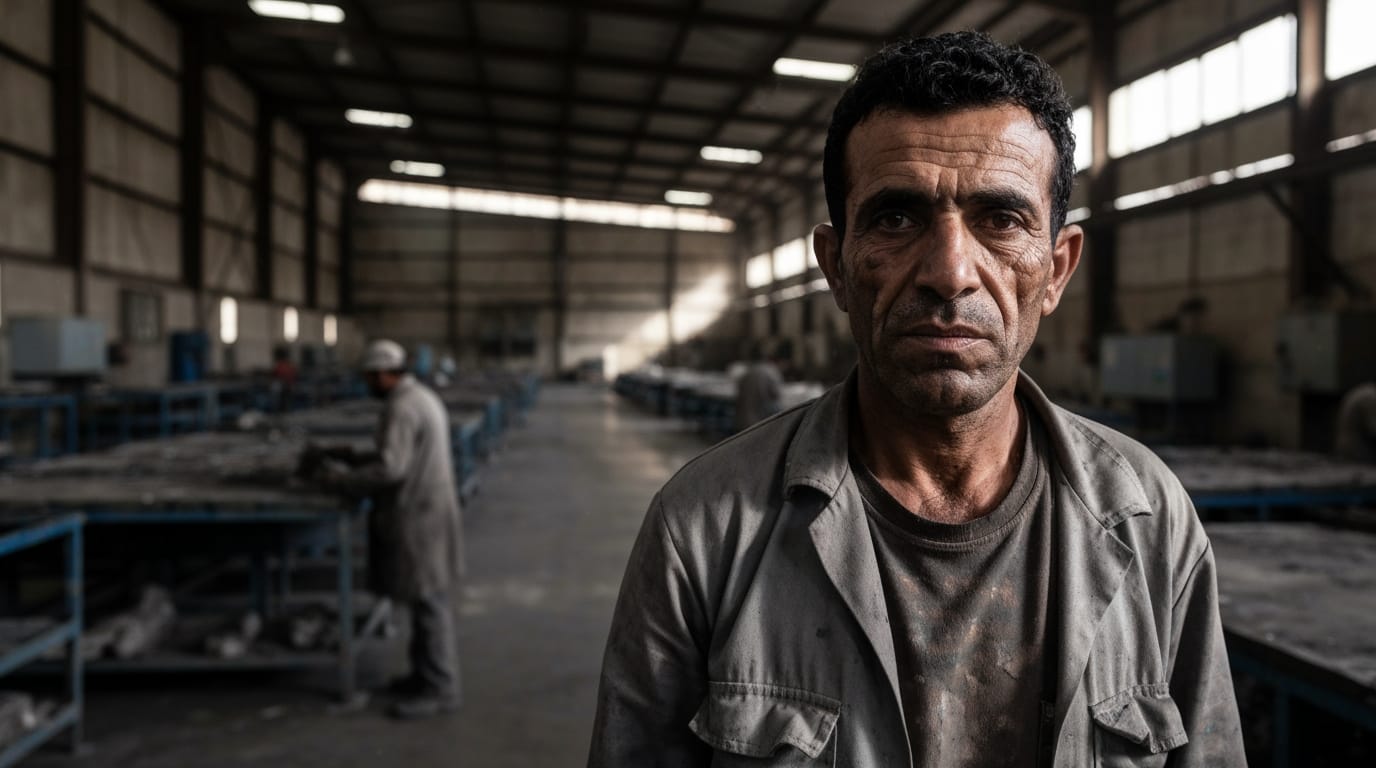
BEIRUT, Lebanon – Thousands of migrant domestic workers in Lebanon find themselves trapped in a pervasive system often equated to modern-day slavery, enduring conditions ranging from forced labor to physical and psychological abuse. The "kafala" or sponsorship system, deeply embedded in Lebanese society, legally binds migrant workers to their employers, creating an immense power imbalance that strips individuals of fundamental human rights and leaves them vulnerable to exploitation. Despite persistent condemnation from international bodies and human rights organizations, efforts to dismantle this deeply entrenched system have largely faltered, perpetuating a cycle of suffering for a vulnerable population.
The Shackles of Sponsorship: Understanding the Kafala System
The kafala system, a sponsorship framework that has governed migrant labor in Lebanon since the 1950s or 1960s, is the only legal avenue for many foreign workers to enter and reside in the country. This system inextricably links a migrant worker's legal residency to their employer, known as a "kafeel" or sponsor. It places nearly complete control over the worker's life in the hands of their sponsor, effectively preventing them from changing jobs, resigning, or even returning home without the employer's explicit consent. This dependency is further exacerbated by the exclusion of migrant domestic workers from the protections afforded by Lebanon's Labor Law, as stipulated in Article 7.
An estimated 135,000 to 250,000 migrant domestic workers, predominantly women from countries in Africa and Asia such as Ethiopia, the Philippines, Bangladesh, and Sri Lanka, are employed in Lebanese households under this system. Many arrive burdened by debt, having paid substantial fees to recruitment agencies with promises of better lives, only to find themselves in nightmarish situations upon arrival. The economic objective of kafala was initially to provide a flexible labor force that could be brought in during economic booms and expelled during downturns, but its implementation has led to systematic human rights violations.
A Daily Reality of Abuse and Exploitation
Under the kafala system, the daily lives of migrant domestic workers are frequently characterized by severe exploitation and abuse, mirroring conditions of forced labor and human trafficking. Common abuses include the confiscation of passports and other personal documents, non-payment or delayed payment of wages, and excessively long working hours with little to no breaks or rest days. Workers often face forced confinement within their employers' homes, severely restricting their freedom of movement and communication with the outside world. Some employers even prohibit workers from leaving the household during their weekly day off.
Beyond labor exploitation, many workers endure verbal, physical, and even sexual abuse. Reports detail instances of food deprivation, inadequate accommodation, and a complete lack of privacy. Access to healthcare is extremely limited, as employer-provided insurance often covers only work-related hospitalizations, neglecting general health, mental health support, and medication costs. The psychological toll of such conditions is immense, contributing to a high number of deaths among migrant domestic workers, including suicides and fatalities during escape attempts. Human Rights Watch reported in 2008 that one domestic worker died each week from unnatural causes.
The deep dependency created by kafala extends beyond wages to food, health, accommodation, and legal status, cementing a master-servant relationship where workers are at the mercy of their employers. Instances of employers attempting to "sell" workers on social media after their services were no longer desired have also been reported.
Legal Gaps and the Struggle for Justice
The structural flaws of the kafala system are deeply rooted in legal frameworks that deny migrant domestic workers basic protections. Their exclusion from the Lebanese Labor Law means they are not entitled to a minimum wage, overtime pay, limits on working hours, or the right to form unions. If workers leave their employers without permission, even due to abuse, they risk losing their legal residency status, leading to potential detention and deportation. This precarious legal standing makes it nearly impossible for them to seek justice or challenge abusive conditions.
Migrant domestic workers face significant barriers when attempting to access the legal system. They often lack necessary Arabic-language legal support, cannot afford legal fees, and may be intimidated by employers who hold their vital documents. Even when cases are filed, workers are frequently deported before proceedings conclude, effectively denying them redress. Police responses to complaints are often dismissive, sometimes treating them as "private matters" between employer and employee. The judiciary, too, has been criticized for failing to protect migrant domestic workers or hold abusive employers accountable. Human rights organizations point out that the kafala system and the exclusion of domestic workers from labor laws violate numerous international human rights treaties and labor conventions that Lebanon has signed, including those against forced labor and discrimination.
Calls for Reform and Incremental Progress
For years, human rights organizations like Amnesty International, Human Rights Watch, and Médecins Sans Frontières (MSF), along with local NGOs such as Kafa and the Anti-Racism Movement, have campaigned tirelessly for the abolition of the kafala system and the inclusion of domestic workers under the national Labor Law. International bodies including the UN and the International Labor Organization (ILO) have also repeatedly called for its dismantling.
In a significant, albeit temporary, step towards reform, Lebanon's Labor Ministry adopted a revised Standard Unified Contract for domestic workers in September 2020. This contract, developed with ILO input, aimed to address key elements of the kafala system that lead to forced labor. It included provisions allowing workers to leave the household during rest days and annual leave, prohibiting employers from withholding wages or passports, and enabling workers to terminate their contracts unilaterally with one month's notice. However, this crucial reform was suspended just a month later by the State Shura Council following a complaint from the Syndicate of the Owners of Recruitment Agencies, citing "severe damage" to agency interests and making no reference to workers' rights.
Despite this setback, efforts continue. In February 2022, Lebanon witnessed a landmark moment when an Ethiopian migrant domestic worker filed slavery and forced labor charges against her former employers, marking the country's first legal case addressing the kafala system as a mechanism of modern-day slavery. This case, alongside ongoing advocacy for legislative changes such as amending Article 7 of the Labor Law and legalizing freelance domestic work, represents a continuous struggle against deeply entrenched systemic injustices.
A System Magnified by Crisis
The multiple crises gripping Lebanon in recent years, including severe economic collapse, the COVID-19 pandemic, and recent geopolitical instability, have drastically worsened the already precarious situation of migrant domestic workers. The devaluation of the Lebanese currency and soaring inflation have led many employers to cut salaries or cease paying workers altogether, often abandoning them on the streets or at their embassies. The pandemic exacerbated forced confinement and deepened isolation, while recent displacement due to conflict has left many migrant workers stranded, homeless, and without resources or documents, further increasing their vulnerability to exploitation.
Humanitarian organizations, such as MSF, have stepped in to provide healthcare and mental health support, but these interventions offer only palliative relief in the face of systemic issues. The plight of migrant domestic workers under the kafala system remains a stark reminder of the urgent need for comprehensive legal reform and accountability in Lebanon. Without dismantling this inherently abusive structure, the country risks perpetuating a form of modern-day slavery that continues to deny tens of thousands of individuals their basic human dignity and rights.


