Life Without Parole: Man Sentenced for Attempted Trump Assassination in Florida
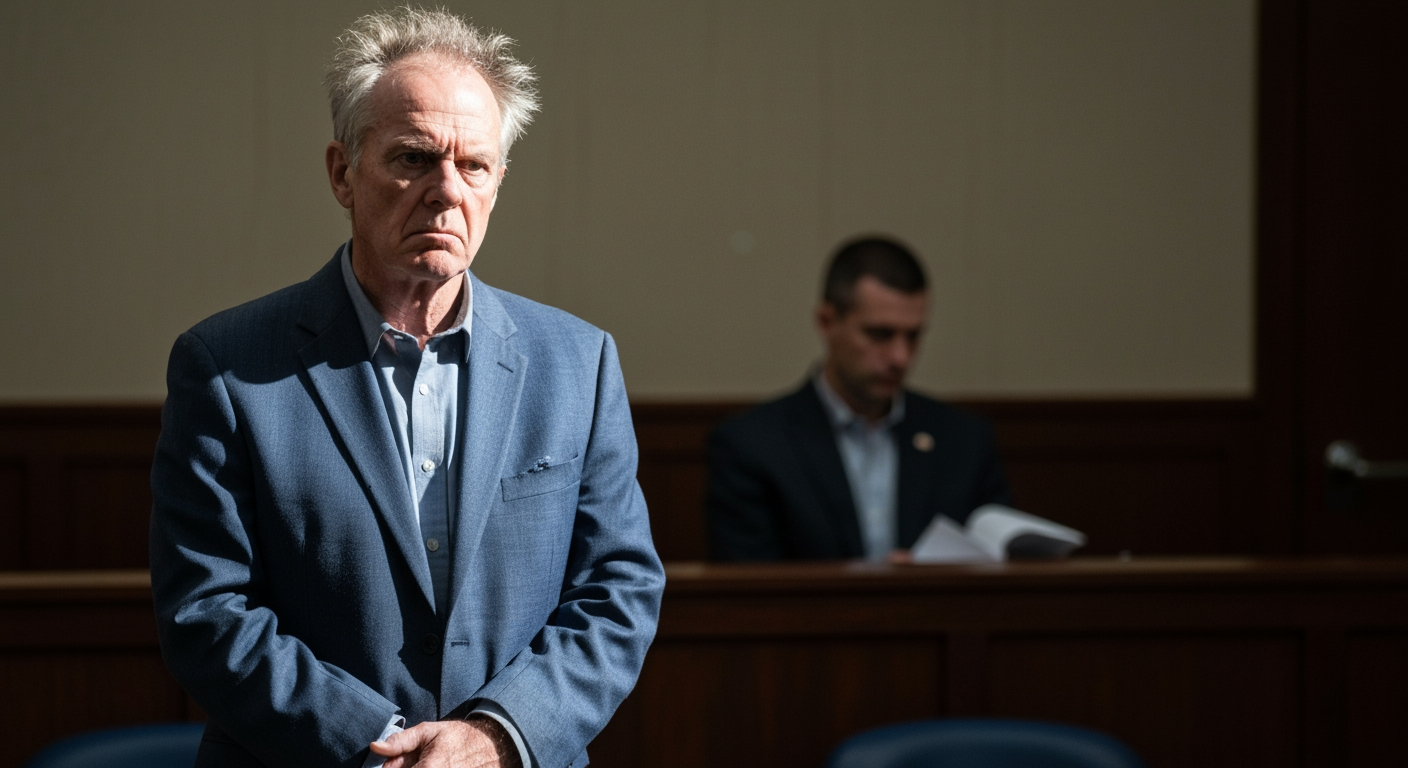
FORT PIERCE, Fla. – Ryan Routh, a 59-year-old Hawaiian man convicted of attempting to assassinate Donald J. Trump at a Florida golf course in 2024, was sentenced Wednesday to life in federal prison without the possibility of parole. U.S. District Judge Aileen Cannon delivered the stringent sentence in a Fort Pierce courtroom, marking a definitive end to a case that underscored persistent threats against presidential candidates. Prosecutors had vehemently argued for the maximum penalty, citing Routh's unrepentant demeanor and deliberate planning.
The Stern Hand of Justice
The sentencing on February 4, 2026, concluded a legal battle following Routh's conviction by a federal jury in September 2025. Judge Cannon's decision aligns with the prosecution's request for life without parole, emphasizing the gravity of the crime. During the September 2025 trial, Routh was found guilty on all five felony charges, including the attempted assassination of a major presidential candidate, possessing a firearm in furtherance of a crime of violence, assaulting a federal officer, felon in possession of a firearm and ammunition, and possession of a firearm with an obliterated serial number. Each of these convictions carried significant maximum sentences, with attempted assassination and firearm possession in furtherance of a violent crime both carrying a potential life imprisonment. The severity of the charges and the outcome of the trial reflect the nation's firm stance against political violence.
The Foiled Plot at the Green
The attempt on Donald Trump's life unfolded on September 15, 2024, at the Trump International Golf Club in West Palm Beach, Florida. Then-presidential candidate Trump was engaged in a round of golf when Routh allegedly pushed the muzzle of an AK-47 assault-style rifle through a chain-linked fence. A vigilant FBI agent observed the weapon's barrel emerging from the fence line and engaged the suspect, preventing him from firing. Routh subsequently fled the scene, abandoning the rifle, but was apprehended later the same day on Interstate 95 in nearby Martin County. Fortunately, Trump was unharmed during the incident. The prompt action of law enforcement was crucial in averting a potentially catastrophic event.
A Troubled Defense and Unambiguous Admission
Throughout the legal proceedings, Ryan Routh's defense was marked by unconventional and at times erratic behavior. Routh chose to represent himself during the criminal trial, presenting what observers described as a "confusing and at times dramatic" defense. The culmination of his self-representation occurred when he reportedly attempted to harm himself with a pen in the courtroom immediately after the jury announced its guilty verdict. Despite these courtroom theatrics, the evidence presented by the prosecution was compelling. A handwritten letter from Routh, addressed "Dear World," became a critical piece of evidence. In the letter, Routh explicitly stated, "This was an assassination attempt on Donald Trump but I am so sorry I failed you." This admission, combined with other evidence gathered by the FBI, Secret Service, and other agencies, left little doubt about his intent.
Broader Implications for Presidential Security
Routh's attempted assassination was notable not only for its brazen nature but also for being the second such incident targeting Donald Trump within a short two-month span. Just two months prior, on July 13, 2024, a separate attack by 20-year-old Thomas Matthew Crooks at a rally in Butler, Pennsylvania, resulted in Trump being wounded in the ear and one fatality before Crooks was killed by Secret Service. While Crooks's motive remains unknown, the FBI concluded its investigation in November 2025, revealing little public information about his background beyond that he was an engineering student with a strong academic record, who had also been building improvised explosive devices. These two distinct events within a single election cycle underscored the escalating challenges and complexities faced by agencies responsible for protecting presidential candidates. The successful prosecution and life sentence for Ryan Routh send a clear message that attempts to undermine the democratic process through violence will be met with the full force of the law.
The life sentence handed down to Ryan Routh serves as a stark reminder of the continuous threats faced by public figures and the unwavering commitment of the justice system to hold accountable those who seek to disrupt political order through violence. The case, from the daring attempt at the golf course to the final sentencing, highlights the critical role of vigilant law enforcement and the resolute application of legal penalties in protecting the integrity of the American political landscape.
Related Articles

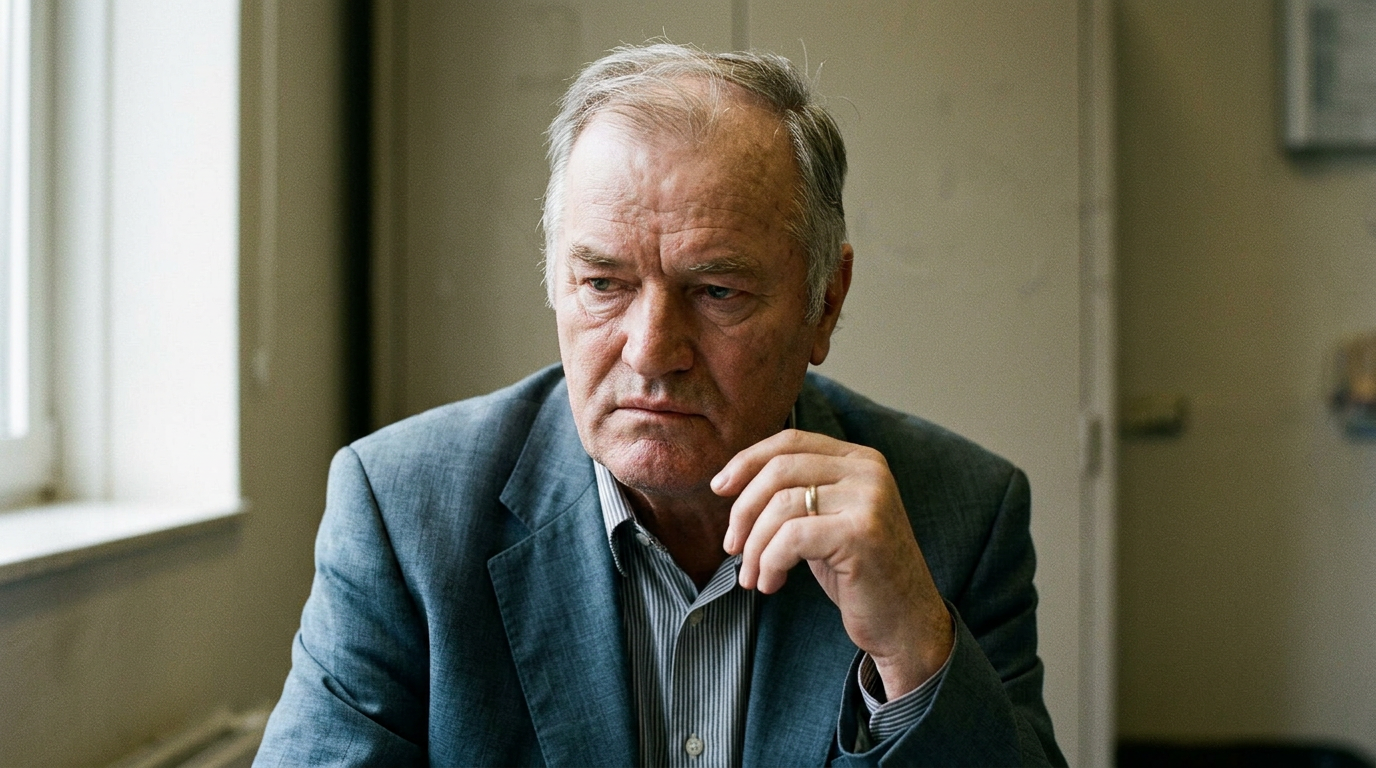
Ratko Mladić, "Butcher of Bosnia" and Convicted War Criminal, Dies at 84
THE HAGUE, Netherlands – Ratko Mladić, the former Bosnian Serb military commander known as the "Butcher of Bosnia" and convicted of genocide, war crimes, and crimes against humanity, has died at the age of 84. Serbian...

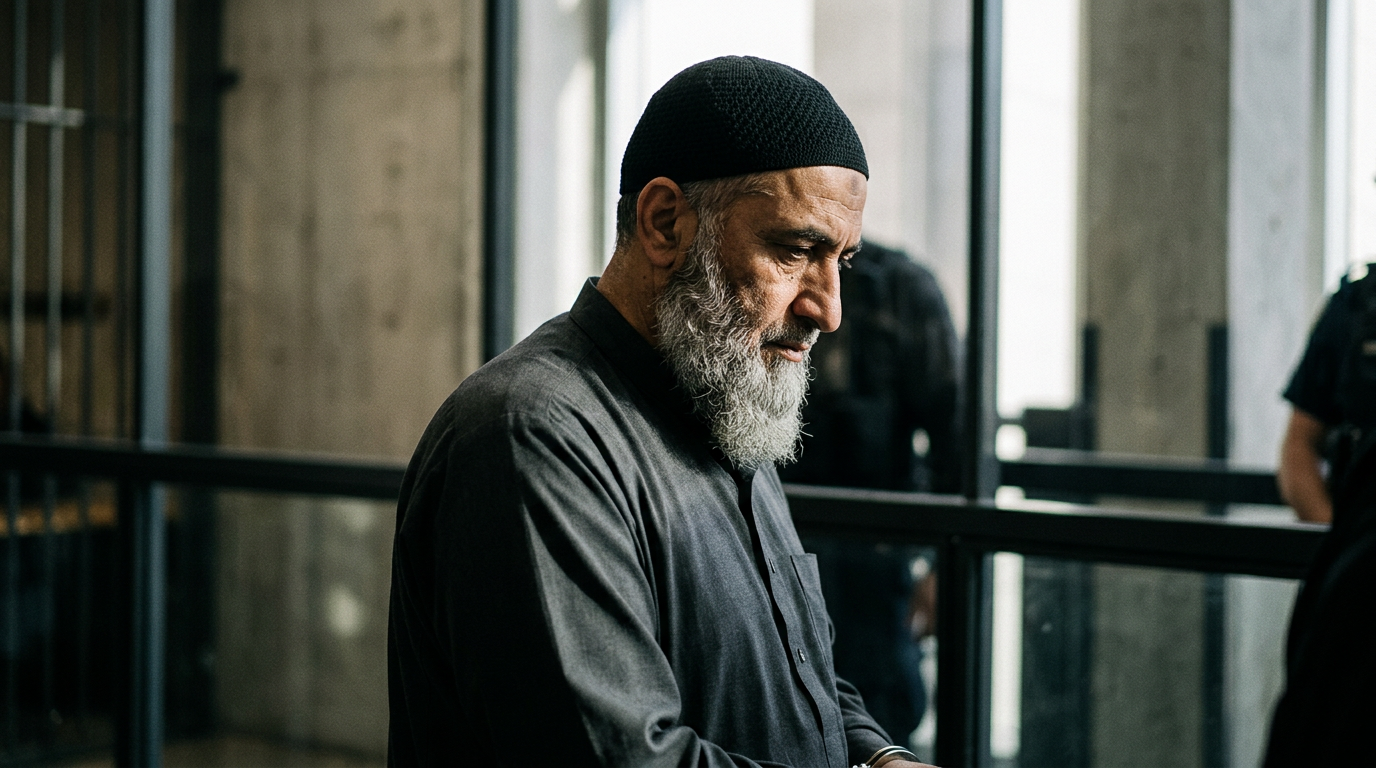
Long-Awaited 9/11 Mastermind Trial Set for 2028, Decades After Attacks
GUANTANAMO BAY, Cuba – Nearly a quarter-century after the devastating terror attacks of September 11, 2001, a military judge has finally set a trial date for Khalid Sheikh Mohammed, the alleged mastermind behind the...