Lionel Jospin, Former French Prime Minister and Architect of Social Reforms, Dies at 88
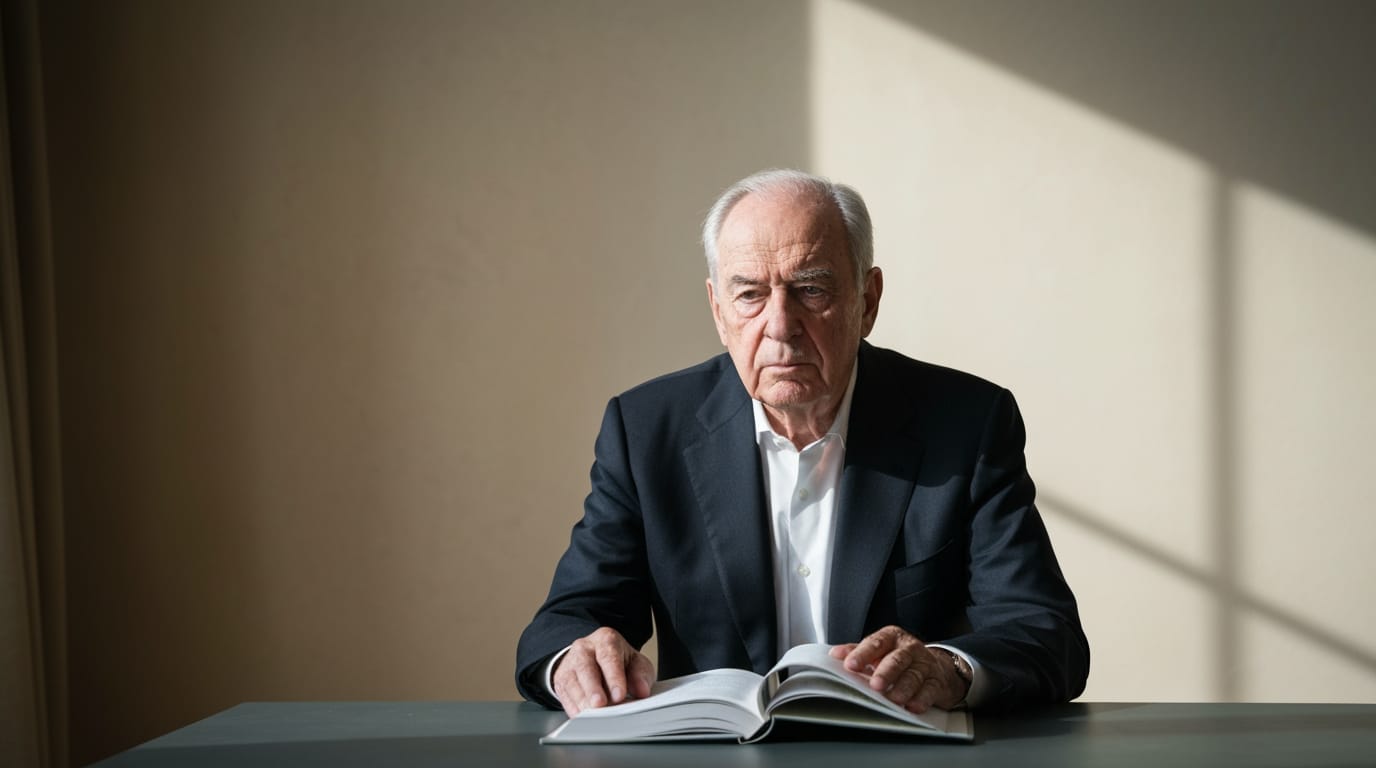
PARIS, France – Lionel Jospin, the former French Prime Minister who steered France through a period of significant social reform and challenging political cohabitation, has died at the age of 88. His family announced his passing on Monday, March 23, 2026, stating he died on Sunday, March 22, 2026. Jospin, a towering figure of the Socialist Party, left an indelible mark on French society with policies that included the pioneering 35-hour workweek and the recognition of civil partnerships, profoundly reshaping the daily lives of millions.
Jospin's death marks the end of an era defined by a pragmatic yet principled approach to governance, embodying a distinct brand of European social democracy. His career, spanning several decades, was characterized by intellectual rigor, unwavering socialist conviction, and a commitment to public service, even as he navigated the tumultuous waters of French politics. Tributes from across the political spectrum acknowledged his steadfastness, integrity, and profound contributions to social progress.
A Reserved Intellectual's Rise to Power
Born Lionel Robert Jospin on July 12, 1937, in Meudon, a suburb of Paris, he hailed from a Protestant family and inherited many of his socialist beliefs from his schoolteacher father. His academic path through prestigious institutions like Sciences Po and the École Nationale d'Administration (ENA) — a traditional training ground for France's governing elite — laid the foundation for a distinguished public service career. After military service and a stint in the foreign ministry, Jospin transitioned into academia, teaching economics before officially joining the newly reconstructed Socialist Party (PS) in 1971.
His political ascent was swift, becoming a close confidant of François Mitterrand. When Mitterrand became president in 1981, Jospin was promoted to head the Socialist Party as its First Secretary, a position he held until 1988, and again from 1995 to 1997. He later served as Minister of National Education from 1988 to 1992, where he implemented reforms aimed at improving schools and teacher training. Despite a period of political decline in the early 1990s, Jospin made a significant comeback, narrowly losing the 1995 presidential election to Jacques Chirac, a performance that signaled a revival for the Socialist Party.
The Cohabitation Years: Landmark Reforms and Economic Pragmatism
Jospin's most influential period came as Prime Minister from 1997 to 2002, a time famously known as "cohabitation." Appointed by his conservative rival, President Jacques Chirac, Jospin led a "Plural Left" coalition government comprising Socialists, Communists, and Greens, demonstrating remarkable diplomatic dexterity in managing this political arrangement. During his premiership, Jospin pursued what he described as a middle ground between socialism and capitalism, encapsulated in his famous slogan: "Yes to a market economy, no to a market society."
His administration was responsible for a raft of progressive reforms that left a lasting impact on France. Among the most prominent was the introduction of the 35-hour workweek, spearheaded by then-Labor Minister Martine Aubry. This labor reform, adopted in two phases in 1998 and 2000, aimed to reduce unemployment by encouraging work-sharing. While hailed by supporters as a social breakthrough, critics argued it shackled the economy, though unemployment did decline during this period.
Beyond labor reform, Jospin's government also introduced the Couverture Maladie Universelle (CMU), providing universal health coverage to all residents regardless of income, significantly expanding free healthcare access. Another groundbreaking initiative was the Pacte civil de solidarité (PACS), which legally recognized civil partnerships for unmarried couples, including same-sex couples, granting them rights similar to those of married individuals. His government also championed gender parity in politics, requiring parties to field an equal number of male and female candidates in national elections.
The Shock of 2002 and Political Withdrawal
The defining, and ultimately career-ending, moment for Jospin came during the 2002 presidential election. Widely expected to reach the second round against Jacques Chirac, Jospin suffered a stunning defeat in the first ballot, finishing in third place behind Chirac and, unexpectedly, the far-right leader Jean-Marie Le Pen. This outcome, largely attributed to a fractured left-wing vote among numerous candidates, sent shockwaves through the French political establishment and was dubbed a "political earthquake."
In the immediate aftermath, Jospin took full responsibility for the unexpected loss and announced his complete withdrawal from political life. His decision to retire rather than cling to power was seen by many as a testament to his adherence to ethical standards. Though he later made occasional comments on political affairs and served on the Constitutional Council from 2015 to 2019, his frontline political career effectively ended with the 2002 election.
A Legacy of Integrity and Social Progress
Even in retirement, Jospin remained a respected figure, known for his integrity and commitment to republican values. His legacy is characterized by a drive to modernize France's economy and social policies while upholding traditional socialist values. Policies enacted under his leadership, such as the 35-hour workweek, universal health coverage, and civil partnerships, continue to shape French society and are frequently debated and analyzed for their long-term impact.
President Emmanuel Macron praised Jospin as "a towering figure in French politics," highlighting his rigor, courage, and commitment to progress. Former Prime Minister Élisabeth Borne lauded his dedication and sense of public duty, while Olivier Faure, the current leader of the Socialist Party, noted Jospin "embodied a left-wing movement that was demanding, principled and Republican." Marine Le Pen, a political opponent, acknowledged him as "a man of integrity on the left."
Lionel Jospin's career serves as a reminder of the complex interplay between progressive ideals and political realities. His commitment to social justice and his pragmatic approach to governance have left an enduring imprint on France, securing his place as a significant figure in its modern history.


