London Streets Swell with Nakba Day Protesters Marking 78 Years of Displacement Amidst Heightened Tensions
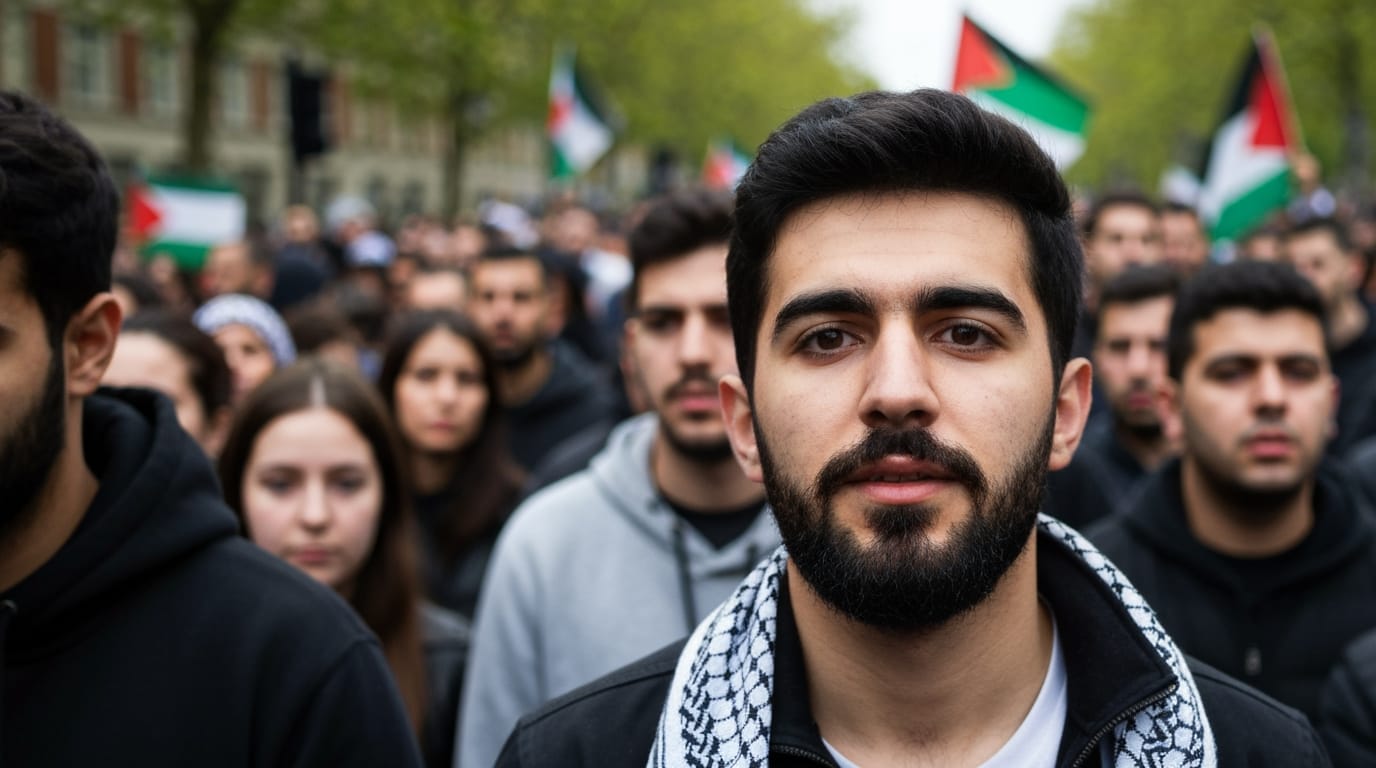
LONDON – Tens of thousands gathered in central London on Saturday, May 16, 2026, for a significant demonstration commemorating the 78th anniversary of Nakba Day. The annual event, which translates to "catastrophe" in Arabic, marks the mass displacement of Palestinians during the 1948 establishment of Israel. This year's rally unfolded against a backdrop of intensified conflict in the Middle East and an "unprecedented" security operation by the Metropolitan Police, which also managed a concurrent far-right demonstration in the capital.
The demonstration, organized by a coalition of groups including the Palestine Solidarity Campaign (PSC) and Stop the War, aimed to highlight the historical injustice of the Nakba and call for an end to what organizers described as ongoing Israeli occupation and the UK government's complicity. Participants marched from Exhibition Road in South Kensington to Pall Mall, a route carefully orchestrated by authorities to mitigate potential clashes with a separate rally by far-right activist Tommy Robinson.
The Enduring Shadow of the Nakba
Nakba Day, observed annually on May 15, serves as a poignant reminder for Palestinians and their supporters worldwide of the events that unfolded in 1948. That year, over 700,000 to 800,000 Palestinians were displaced from their homes, and more than 500 Palestinian villages were destroyed, as the state of Israel was established. The term "Nakba" encapsulates this profound loss of homeland, culture, and societal structure. While the date of May 15 officially commemorates these events, rallies often take place on the closest Saturday for wider participation.
The commemoration was officially inaugurated by Palestinian leader Yasser Arafat in 1998, though acts of remembrance and resistance have been observed since 1949. For many, the Nakba is not merely a historical event but represents an ongoing catastrophe, symbolized by continued displacement, loss of territory, and the protracted refugee crisis. The United Nations itself marked Nakba Day for the first time in 2023, drawing international attention to the historical injustice faced by the Palestinian people and the enduring challenges of the refugee crisis. Today, approximately six million Palestinian refugees remain displaced, both within historic Palestine and across the globe.
Calls for Action and Global Solidarity
This year's London march amplified calls for an immediate ceasefire in Gaza and an end to UK arms exports to Israel. Organizers and participants reiterated their demands for the UK government to cease its alleged complicity in actions violating international law and to recognize the "inalienable rights of the Palestinian people," including the right of refugees to return to their homes. Prominent figures, including British-Palestinian surgeon Ghassan Abu-Sittah and MPs Zara Sultana and Diane Abbott, were slated to address the crowds, underlining the political and humanitarian dimensions of the protest.
The scale of pro-Palestinian demonstrations in London has steadily grown in recent years, particularly since the escalation of conflict in the Middle East in late 2023. Previous Nakba Day rallies and weekly marches in the capital have drawn hundreds of thousands of participants. For example, the 76th anniversary in 2024 saw reported attendance reaching up to a million people by some organizers, while the 77th anniversary in 2025 drew estimates of up to 600,000, though police estimates for these events were significantly lower. These demonstrations often feature poignant symbols, such as large lock keys carried by young British Palestinians, signifying their fundamental right to return. The presence of Jewish protesters holding banners against the Israeli government and declaring "Not in our name" also highlights diverse perspectives within the movement.
A Complex Policing Operation
The Metropolitan Police deployed approximately 4,000 officers in an "unprecedented" security operation to manage the two large-scale protests occurring simultaneously across London. The policing effort, estimated to cost £4.5 million, aimed to prevent confrontations between the Nakba Day marchers and the far-right "Unite the Kingdom" rally led by Tommy Robinson. Police maintained strict conditions on both demonstrations, including separate routes and designated assembly points. The Nakba 78 rally's request to march to Trafalgar Square was denied, with participants directed to Pall Mall instead.
For the first time in a public order operation, live facial recognition technology was utilized by police, though not on the official march routes themselves. Authorities also had extra powers to stop and search, and prosecutors were advised to consider whether placards, banners, or chants could amount to offenses of stirring up hatred. Despite the extensive preparations, eleven arrests were reported across both marches, indicating isolated incidents amidst the largely peaceful demonstrations. Deputy Assistant Commissioner James Harman described Saturday as "potentially one of the busiest days for policing in London in recent years," underscoring the complexities involved in maintaining public order during such high-profile, ideologically opposed events.
Broader Implications and Ongoing Debate
The persistent large turnouts for Nakba Day commemorations in London reflect a growing mobilization within the UK and globally regarding the Israeli-Palestinian conflict. This sustained activism, described by some as the largest and longest solidarity movement in British history, seeks to influence UK government policy, particularly concerning arms sales and diplomatic stances. Protesters emphasize that the conflict is not merely an overseas issue but one with significant domestic implications, urging their government to uphold international law and human rights.
The presence of a counter-protest by a far-right group on the same day further underscored the deeply polarized nature of public discourse surrounding these issues. Organizers of the Nakba Day rally expressed anger at the Metropolitan Police's decision to allow the far-right group to march in a central political area while restricting their own movement, suggesting a disparity in how different protests are managed. This intersection of historical commemoration, contemporary conflict, and domestic political activism continues to shape public debate and challenge societal norms in the UK, as citizens grapple with complex international issues and their local manifestations.


