London Talks Seek Path to End Sudan's Devastating Conflict
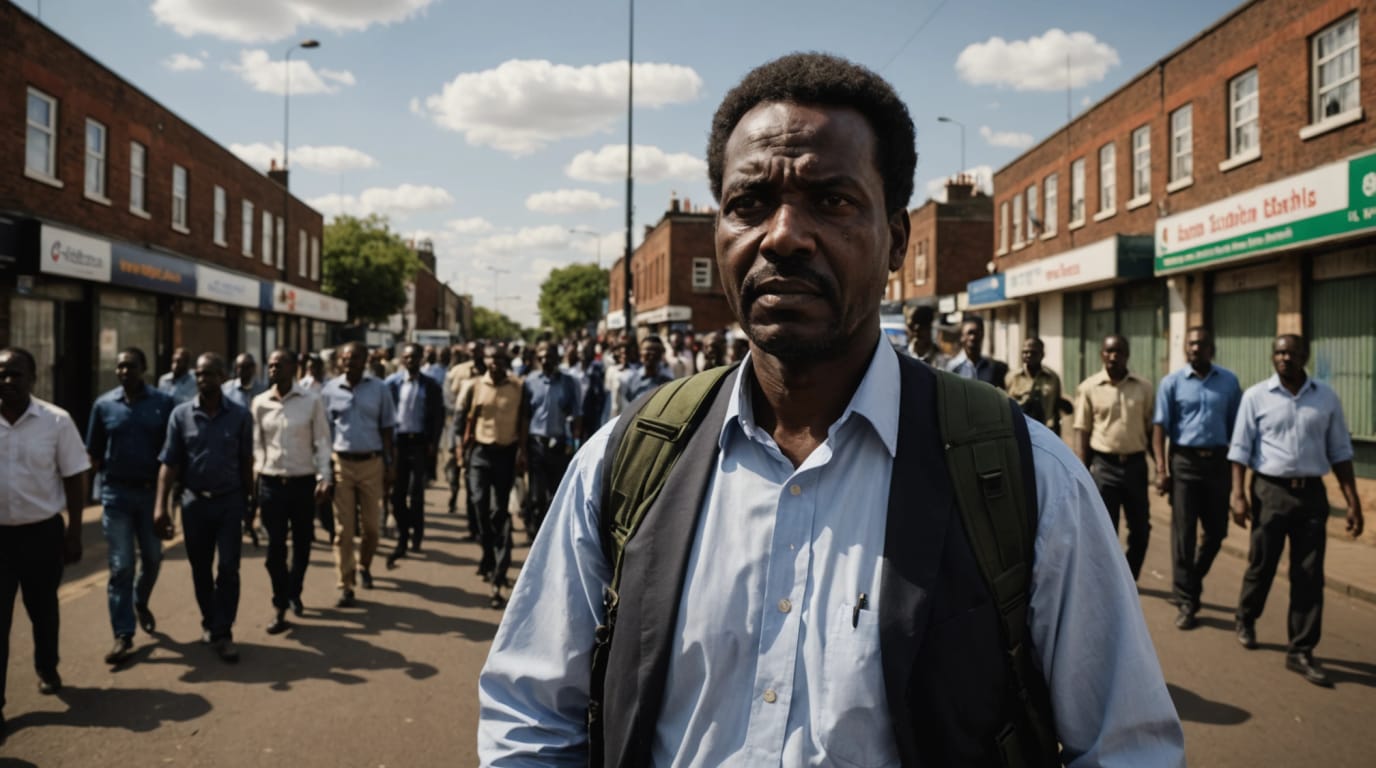
London is hosting a high-level international conference Tuesday aimed at finding a way to end the brutal civil war in Sudan, which has raged for two years and created what the United Nations calls the world's worst hunger and displacement crisis. The meeting, co-hosted by Germany, France, the European Union, and the African Union, seeks to chart a path toward peace, though notably absent are representatives from the warring Sudanese factions themselves.
The conflict, which erupted on April 15, 2023, pits the Sudanese army against the paramilitary Rapid Support Forces (RSF) in a bitter power struggle. The violence has killed tens of thousands, displaced nearly 13 million people, and pushed parts of the country into famine. As the war enters its third year, the international community is under increasing pressure to find a solution.
A "Forgotten War"
The situation in Sudan has been described as a "forgotten war," with many observers noting that the conflict has not received the international attention it urgently requires. The fighting has not only devastated the lives of millions of Sudanese but also threatens to destabilize the wider Horn of Africa region.
The UN warns that thousands of displaced people are trapped and cut off from aid, particularly near El-Fasher, which has been under an RSF blockade. UN Secretary-General Antonio Guterres has condemned attacks on civilians and called for an end to the fighting. Human Rights Watch has urged the international community to prioritize the protection of civilians and ensure the safe delivery of humanitarian aid.
Absence of Warring Parties
Despite the urgency of the situation, neither the Sudanese government nor the RSF are participating in the London conference. Sudan's foreign minister, Ali Yousssef al-Sharif, has criticized the British government for excluding the internationally recognized Khartoum government while extending invitations to allies of the RSF.
Al-Sharif warned that the RSF might use the conference as an opportunity to announce a parallel government and declare Darfur and other RSF-controlled areas as a new region, potentially escalating the conflict further. He also accused the UK of showing "leniency" towards the RSF, including alleged secret talks last year.
International Efforts and Concerns
Despite the absence of the Sudanese warring parties, the London conference brings together senior diplomats and foreign ministers from more than 20 countries, along with civil society leaders, to discuss ways to end the conflict. The UK's Foreign Secretary, David Lammy, is hosting the conference and has pledged that the "UK will not let Sudan be forgotten."
The UK has announced £120 million ($158 million) in new aid for Sudan. Lammy stated that the "brutal war in Sudan has devastated the lives of millions and yet much of the world continues to look away." Germany, France, the European Union, and the African Union are co-hosting the conference with the UK government in London.
Egypt and Qatar have jointly expressed "grave concerns over the ongoing armed conflict in the Sudan and emphasized the importance of an immediate cessation of military operations."
Allegations of External Interference
Experts at The Sentry, an investigative organization, have highlighted the role of foreign states, particularly the United Arab Emirates (UAE), in fueling the conflict. They allege that the UAE is supporting the RSF, while Egypt and Saudi Arabia are backing the Sudanese Armed Forces. The Sentry is calling for governments to hold these regional powers accountable and impose financial and legal measures on those who continue to stoke the violence.
Humanitarian Crisis Deepens
The conflict has created a dire humanitarian situation, with over 30 million people in desperate need of assistance and 12 million women and girls at risk of gender-based violence, according to the UK's foreign ministry. A UN-backed assessment has declared that famine is now present in parts of the country.
The UN Office for the Coordination of Humanitarian Affairs (OCHA) has warned that fighting near El-Fasher is hindering access to humanitarian assistance, leaving thousands of displaced people trapped and cut off from aid.
A Long and Uncertain Road
The London conference represents a renewed effort by the international community to address the crisis in Sudan. However, the absence of the warring parties and the complex web of regional and international interests involved suggest that finding a lasting solution will be a long and difficult process.
The immediate priorities are to protect civilians, ensure the delivery of humanitarian aid, and bring an end to the fighting. Without a concerted effort to address the root causes of the conflict and hold those responsible for the violence accountable, the suffering of the Sudanese people will continue.


