Louvre Director Resigns Following Daring Crown Jewel Heist
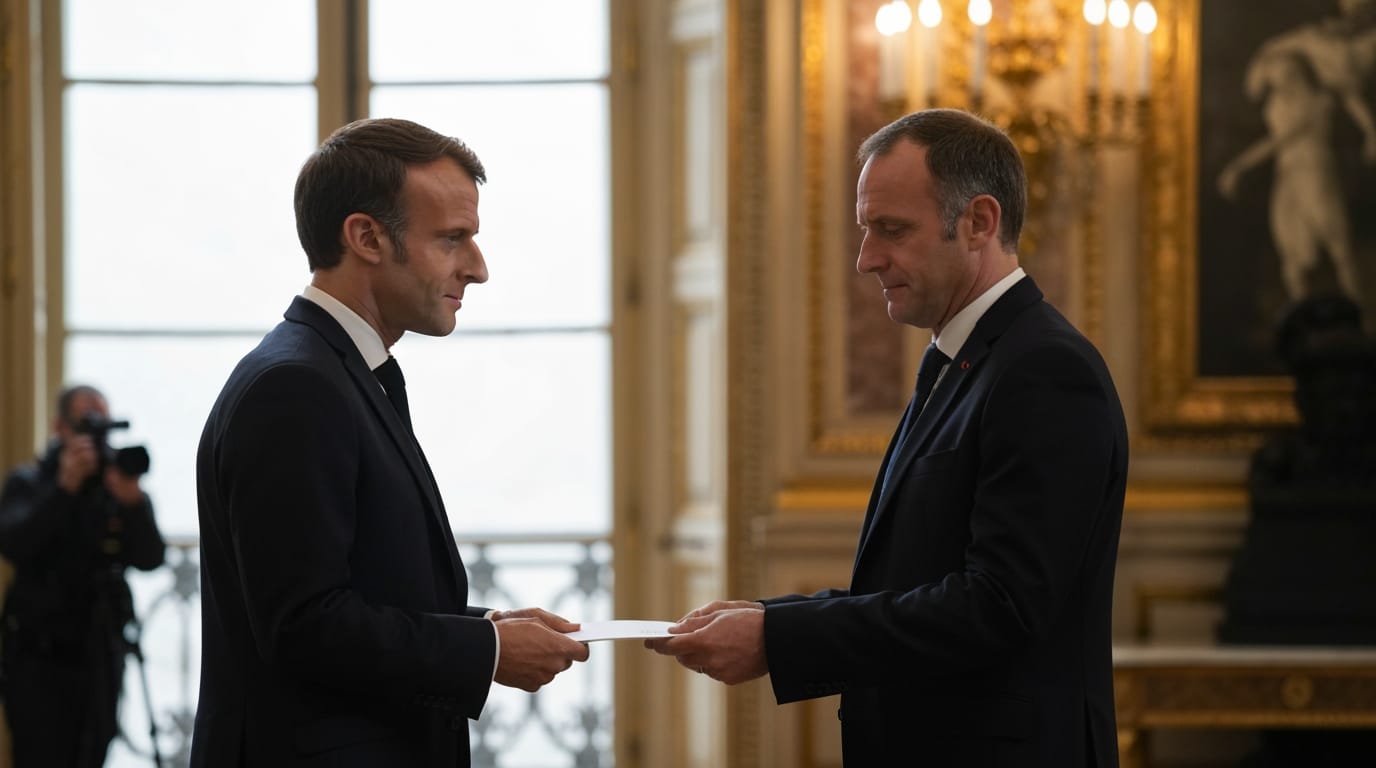
PARIS, FRANCE – The director of the iconic Louvre Museum, Laurence des Cars, has tendered her resignation, which was accepted by French President Emmanuel Macron on Tuesday, February 24, 2026. The move comes in the wake of a sophisticated and embarrassing jewel heist that saw priceless French Crown Jewels stolen from the museum's heavily guarded Galerie d'Apollon last October. The audacious daylight robbery, executed with remarkable speed and precision, has cast a shadow over the security protocols of one of the world's most visited cultural institutions.
The resignation of Ms. des Cars, the first woman to lead the Louvre, signals a significant moment of accountability following the October 19, 2025, incident. President Macron, in accepting her decision, lauded it as "an act of responsibility at a time when the world's largest museum needs calm and a strong new impetus to carry out major projects involving security upgrades, modernization" and other initiatives. The theft, estimated to be worth €88 million ($102 million), represents a profound cultural loss and has prompted an international investigation, raising serious questions about the vulnerability of national treasures.
The October Heist: A Bold and Swift Operation
The robbery unfolded on a Sunday morning, October 19, 2025, around 9:30 AM CEST, just thirty minutes after the museum had opened its doors to visitors. Thieves, cunningly disguised as construction workers, accessed the museum from the Seine-facing facade, an area reportedly undergoing construction. Utilizing a stolen basket lift, they reached an upper-floor window of the Denon wing, which houses the Galerie d'Apollon. Once inside, the perpetrators reportedly used power tools, including a disc cutter, to shatter the reinforced glass display cases.
The entire operation was astonishingly swift. Reports indicate the thieves spent as little as four to seven minutes inside the museum, with the total duration of the heist lasting less than eight minutes before they fled the scene on motorcycles. Eight pieces of the French Crown Jewels were stolen, comprising items of immense historical and heritage value. Among the targeted treasures were tiaras and necklaces that once belonged to 19th-century French royalty, including Queen Marie-Amélie and Empress Eugénie. Notably, the famed Regent Diamond, a jewel with a storied and often tumultuous history, was left untouched, baffling investigators and leading to speculation about the thieves' motives or potential superstitions. One piece, Empress Eugénie's crown, was reportedly dropped and damaged during the hasty escape, later recovered near the museum.
Acknowledging "Terrible Failure" and Security Lapses
In a statement to the French Senate, Ms. des Cars openly acknowledged her "share of responsibility" in what she described as a "terrible failure." She confirmed that the museum's security systems failed to detect the burglars "early enough," pointing specifically to a "very insufficient video network" and significant issues with security posts as critical vulnerabilities in the museum's perimeter protection.
These admissions resonate with prior warnings from labor unions representing Louvre staff. Months before the heist, employees had staged protests and walkouts, citing chronic understaffing and insufficient resources for security, arguing that there were "too few eyes on too many rooms." A security audit had been conducted following these concerns, and recommendations were made, but their implementation was only in its nascent stages at the time of the robbery. The heist underscored the urgent need for comprehensive security upgrades, a task now prioritized by the French presidency.
Broader Implications for Cultural Heritage
The Louvre heist has sent shockwaves through the global museum community, prompting a reevaluation of security measures at major cultural institutions worldwide. The incident highlights the ongoing challenge of balancing public accessibility with the paramount need to safeguard invaluable artifacts. The Louvre, as the world's most visited museum, welcomes millions of visitors annually, making its protection a monumental and complex undertaking.
Immediately following the robbery, the museum was evacuated and closed to the public. It reopened on October 22, 2025, though the Galerie d'Apollon remained sealed as investigations continued. Interpol quickly added the stolen jewels to its Stolen Works of Art database, facilitating an international effort to track and recover the missing items. Within a week of the theft, two men in their 30s were arrested in connection with the robbery, indicating progress in the ongoing police investigation.
The incident is not merely a financial loss but a significant blow to France's cultural patrimony. The Crown Jewels represent centuries of French history and artistry, embodying the nation's rich heritage. The theft has ignited a public debate about the state of security at national museums and the resources allocated to their protection.
Looking Ahead: A New Chapter for the Louvre
President Macron's acceptance of Laurence des Cars' resignation marks the end of her tenure and the beginning of a challenging new chapter for the Louvre. The incoming director will face immediate pressure to implement robust security enhancements and restore public confidence in the museum's ability to protect its vast collection. The president's call for a "strong new impetus" underscores the urgency of addressing the systemic vulnerabilities exposed by the October heist.
The focus now shifts to how France's cultural ministry and the Louvre's leadership will move forward. This includes not only physical security upgrades but potentially a reassessment of staffing levels, technology integration, and emergency response protocols. The long-term implications of the heist extend beyond the museum's walls, prompting a national conversation about the stewardship of France's artistic and historical treasures in an increasingly unpredictable world. The incident serves as a stark reminder that even the most revered institutions are not immune to the threats of modern-day criminality.


