Louvre Raises Ticket Prices for Non-EU Visitors by Almost Half Amid Modernization Push
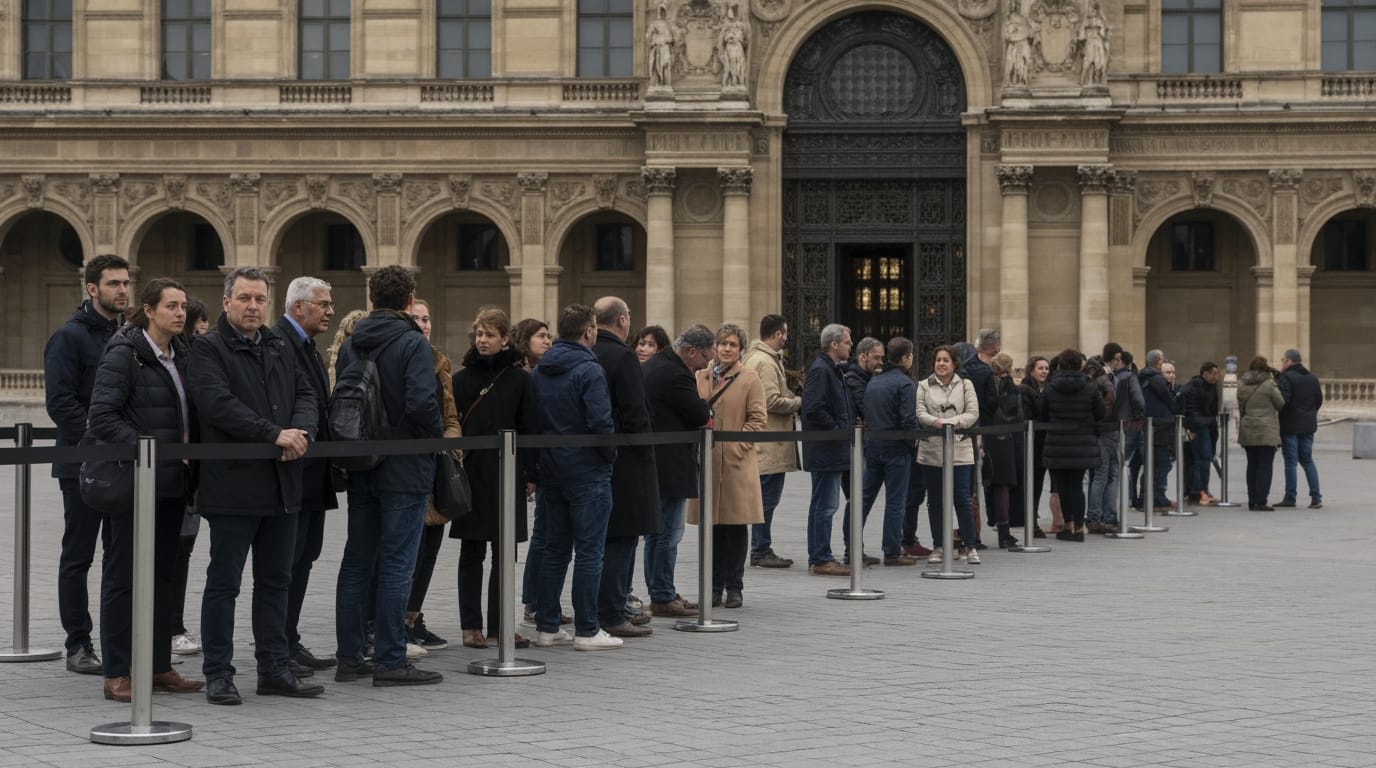
PARIS – The Louvre Museum, home to some of the world's most iconic artworks, has significantly increased its admission fees for most non-European visitors, with tickets now costing nearly 50 percent more. Effective January 14, 2026, the price of a standard individual entry ticket for those outside the European Union, Iceland, Liechtenstein, and Norway has risen from 22 euros to 32 euros. This substantial increase, representing a 45% hike, is part of a broader national "differentiated pricing" strategy for major French cultural institutions and aims to bolster the museum's finances for crucial modernization, security upgrades, and operational costs.
The decision comes at a pivotal moment for the globally renowned institution, grappling with the twin pressures of soaring visitor numbers and the urgent need to upgrade its aging infrastructure and security systems, a concern amplified by a recent high-profile theft. While museum officials frame the move as a necessary step toward financial sustainability and an enhanced visitor experience, it has ignited debate among cultural workers and some international visitors regarding accessibility and the universal mission of public art.
The New Pricing Structure and Its Rationale
Under the updated ticketing system, individual visitors from outside the specified European Economic Area will now pay 32 euros, while guided groups will be charged 28 euros, with tours capped at 20 people to help maintain the quality of the visit. This marks a notable shift from the previous general admission of 22 euros, which itself was an increase from 17 euros implemented in January 2024, prior to the Olympic Games. The Louvre expects this new pricing to generate an additional 15 million to 20 million euros annually, funds earmarked for investments under its "Louvre – New Renaissance" modernization project.
Museum officials have articulated several key reasons for the price adjustment. Paramount among them is the need to shore up finances in the face of rising operational, conservation, and security costs, alongside addressing chronic overcrowding and the repercussions of repeated staff strikes. France's Culture Minister, Rachida Dati, had previously advocated for a "differentiated, fair pricing model" for major cultural sites, suggesting that European taxpayers should not exclusively bear the financial burden of maintaining institutions that draw global demand. This philosophy underpins the Louvre's new two-tier system, which allows EU citizens and residents to continue paying the lower rate.
Catalysts for Change: Security Concerns and Infrastructure Overhaul
The urgency for increased funding was underscored by a brazen French Crown Jewels heist on October 19, which exposed vulnerabilities in the museum's security systems and aging infrastructure. While discussions about differentiated pricing were already in motion, the daylight robbery intensified scrutiny on how France protects its prized cultural treasures and how major landmarks should finance necessary upgrades. The museum has confirmed that a significant portion of the increased revenue will be directed toward strengthening security measures and funding structural improvements.
Beyond security, the Louvre faces ongoing challenges related to its extensive facilities and the sheer volume of its nearly nine million annual visitors, 69 percent of whom are foreigners. Renovation plans include modernizing visitor routes, upgrading equipment, and the long-anticipated relocation of the "Mona Lisa" to a new, purpose-built viewing suite to alleviate overcrowding around the iconic masterpiece. These ambitious projects are part of a broader development plan that requires substantial financial backing.
Broader Implications and Reactions
The Louvre is not alone in implementing this new pricing strategy. Other prominent French cultural sites, including the Palace of Versailles, the Paris Opera, and Sainte-Chapelle, are also adopting similar two-tier pricing models this month. For instance, the "Passport" ticket at Versailles will cost 35 euros in high season for non-EU visitors, compared to 32 euros for those within the EU. This coordinated approach reflects a national effort to ensure the financial health and long-term preservation of France's rich cultural heritage.
However, the decision has drawn criticism from French worker unions, including CGT Culture, CFDT, and Solidaires Unitaires Démocratiques (SUD). They argue that the differentiated pricing policy undermines the museum's universal mission, turning access to culture into a "commercial product" and fostering unequal access to national heritage. Concerns have also been raised about the potential administrative burden on museum staff responsible for verifying visitors' nationalities.
Visitors have expressed mixed reactions. While some tourists questioned the fairness of charging more based on nationality, others acknowledged the Louvre's status as a must-see attraction and indicated they would still pay the higher price. Nevertheless, there are apprehensions that the increased cost could strain the budgets of non-European travelers, potentially discouraging visits to multiple museums or leading to a decline in overall visitor numbers from countries facing economic constraints. The United States typically accounts for the largest share of the Louvre's foreign tourists, followed by visitors from China and the United Kingdom, all of whom are now subject to the higher fee.
Balancing Access and Preservation
The Louvre, as the world's most visited museum, occupies a unique position in global culture. Its vast collections require continuous preservation, and its immense popularity necessitates robust infrastructure and security. The implementation of a tiered pricing system represents a complex balancing act between ensuring financial solvency, investing in critical upgrades, and maintaining the principle of broad public access to art and history.
As the museum embarks on its "New Renaissance" project, the success of this revenue-generating strategy will likely be measured not only by its financial contributions but also by its long-term impact on visitor demographics and the institution's commitment to its universal mission. While the Louvre continues to offer free admission to certain categories, such as visitors under 18, the increased cost for a significant portion of its international audience marks a new chapter in how one of the world's foremost cultural treasures sustains itself for future generations.


