Lufthansa Navigates a Century of Flight Amidst Unprecedented Turbulence
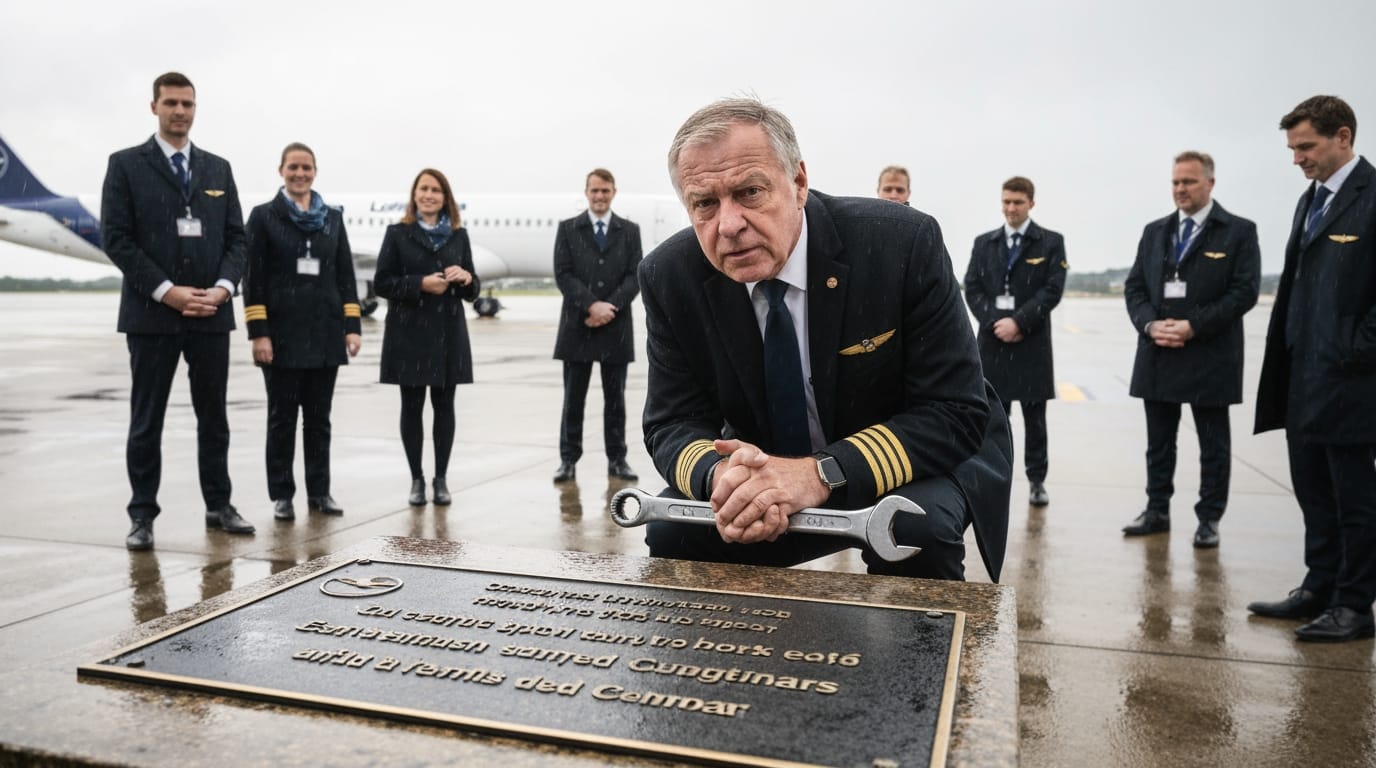
FRANKFURT – Germany's flagship airline, Lufthansa, is marking its centenary this year, a significant milestone that prompts both celebration of its rich history and sober reflection on the formidable challenges reshaping the aviation industry. Established a century ago, the carrier has weathered world wars, economic upheavals, and technological revolutions, consistently adapting to remain a pivotal player in global air travel. However, its centennial arrives at a time when the airline, and the broader sector, contend with an intricate web of geopolitical tensions, persistent economic pressures, and the urgent imperative of environmental sustainability.
A Century of Soaring Ambitions and Profound Changes
Lufthansa’s journey began on January 6, 1926, with the merger of Deutscher Aero Lloyd and Junkers Luftverkehr, forming Deutsche Luft Hansa in Berlin. Its inaugural scheduled flight took off just three months later, on April 6, heading from Berlin to Zürich. The fledgling airline rapidly expanded its network, connecting Germany with key European cities and, by 1934, pioneered the world's first scheduled transoceanic airmail flights to South America, showcasing early innovation and a vision for global connectivity.
However, the airline's early history includes a somber chapter during the Nazi era, when Deutsche Luft Hansa became integrated into the regime and played an active role. Lufthansa is leveraging its centenary as an opportunity to critically examine this period, acknowledging its involvement and addressing it through historical research. The airline as it is known today was re-established in 1953, initially as "Luftag," before acquiring the historic name and iconic crane logo. Scheduled flight operations for the modern Lufthansa commenced in 1955, marking a new beginning.
The post-war decades ushered in the jet age, with Lufthansa at the forefront. The introduction of Boeing 707 jets in 1961 dramatically improved speed and range, followed by the iconic Boeing 747 in 1970 and the Airbus A300 in 1976. The airline also became a launch customer for pivotal aircraft like the Boeing 737 and Airbus A310, continuously embracing technological advancements to modernize its fleet. Further solidifying its global stature, Lufthansa underwent full privatization in 1997 and became a founding member of Star Alliance, the world's largest airline alliance. Today, the Lufthansa Group encompasses several airlines including Austrian Airlines, Brussels Airlines, Eurowings, and Swiss International Air Lines, serving a vast global network.
Navigating Turbulent Skies: The Impact of Recent Crises
The airline's long history of resilience was severely tested by the COVID-19 pandemic, which plunged the global aviation industry into an unprecedented crisis. In March 2020, Lufthansa was forced to cancel 95 percent of its flights, leading to staggering hourly losses. The airline reportedly incurred losses of 1 million euros per hour by April 2020, with CEO Carsten Spohr noting that in just 65 days, Lufthansa was set back almost 65 years, reaching flight levels akin to its post-war inception.
In response, Lufthansa undertook extensive restructuring measures, including the permanent decommissioning of older, less fuel-efficient aircraft such as several Airbus A380s, Airbus A340s, and Boeing 747-400s. The low-cost subsidiary Germanwings was also closed during this period. To mitigate the severe drop in passenger revenue, the airline shifted focus to its cargo operations, which, along with Lufthansa Technik, generated a significant portion of the group's revenue during the crisis.
Beyond the pandemic, Lufthansa continues to navigate a complex operating environment. The industry faces ongoing economic volatility, labor disputes—such as recent pilot strikes over pension disputes—and the disruptive influence of geopolitical events, including regional conflicts that can impact flight routes and fuel costs. These persistent headwinds underscore the precarious balance airlines must maintain between operational efficiency, cost control, and market responsiveness.
Charting a Course for the Future: Modernization and Sustainability
In response to these multifaceted challenges, Lufthansa has embarked on an ambitious strategy centered on fleet modernization and aggressive sustainability targets. The airline group is making substantial investments in new, more fuel-efficient aircraft, planning to introduce approximately 200 new planes by 2030. This modernization program aims to reduce fuel consumption and carbon dioxide emissions by up to 30 percent per flight compared to older models. Key additions to the fleet include advanced models like the Airbus A350, Boeing 787, and future Boeing 777X aircraft, which are systematically replacing older four-engine jets like the Airbus A340 and Boeing 747-400.
Sustainability is a cornerstone of Lufthansa's forward-looking strategy. The company has set an ambitious goal to achieve carbon neutrality by 2050 and to halve its net CO2 emissions by 2030 compared to 2019 levels. A significant part of this commitment involves the increased use of Sustainable Aviation Fuels (SAF). Lufthansa is a pioneer in SAF adoption and is actively involved in projects to accelerate the development and industrialization of next-generation SAF, exploring innovative production methods such as Power-to-Liquid and Sun-to-Liquid technologies.
Beyond SAF, Lufthansa's sustainability efforts include technological enhancements like AeroSHARK, a bionic film applied to aircraft surfaces to optimize airflow and reduce fuel consumption. The airline has also introduced "Green Fares," allowing passengers to contribute to reducing or offsetting their flight-related CO2 emissions. These initiatives demonstrate a proactive approach to environmental responsibility, crucial for navigating the increasing public and regulatory scrutiny of the aviation industry's climate impact. Furthermore, the airline is enhancing the passenger experience through innovations like its new "Allegris" premium cabin equipment, rolled out on modern long-haul aircraft.
The Human Element and Enduring Legacy
At the core of Lufthansa's enduring legacy is its vast workforce. The Lufthansa brand alone employs 40,000 individuals from 122 nations, while the broader Lufthansa Group comprises around 100,000 people from over 160 countries. These employees are integral to the airline's operations, from pilots and cabin crew to maintenance technicians and ground staff, embodying the "We are the Journey" motto chosen for the centenary celebrations.
The airline’s centennial is being commemorated with a series of events and initiatives throughout 2026. These include a permanent exhibition at Hangar One in the Lufthansa Group facilities, special publications like a detailed history book, and various employee and customer-focused events. These celebrations not only honor a century of achievements but also serve as a moment of reflection, recognizing the airline's profound influence on German national identity and its role in connecting people and economies worldwide.
Conclusion: A Flight into the Next Century
Lufthansa's 100-year anniversary stands as a testament to its remarkable endurance and capacity for transformation. From its origins as a national carrier, through periods of immense global upheaval and the rapid advancements of the jet age, to recent crises like the COVID-19 pandemic, the airline has consistently adapted. As it embarks on its second century, Lufthansa faces the dual imperatives of economic stability in a volatile global landscape and the monumental task of decarbonizing air travel. Through strategic fleet modernization, pioneering sustainability initiatives, and an unwavering commitment to its people, Lufthansa aims to maintain its position as a leading global airline, continuing its journey connecting continents and cultures while striving for a more sustainable future for aviation.


