M23 Rebels Pull Out of Congo Peace Talks, Citing International Sanctions
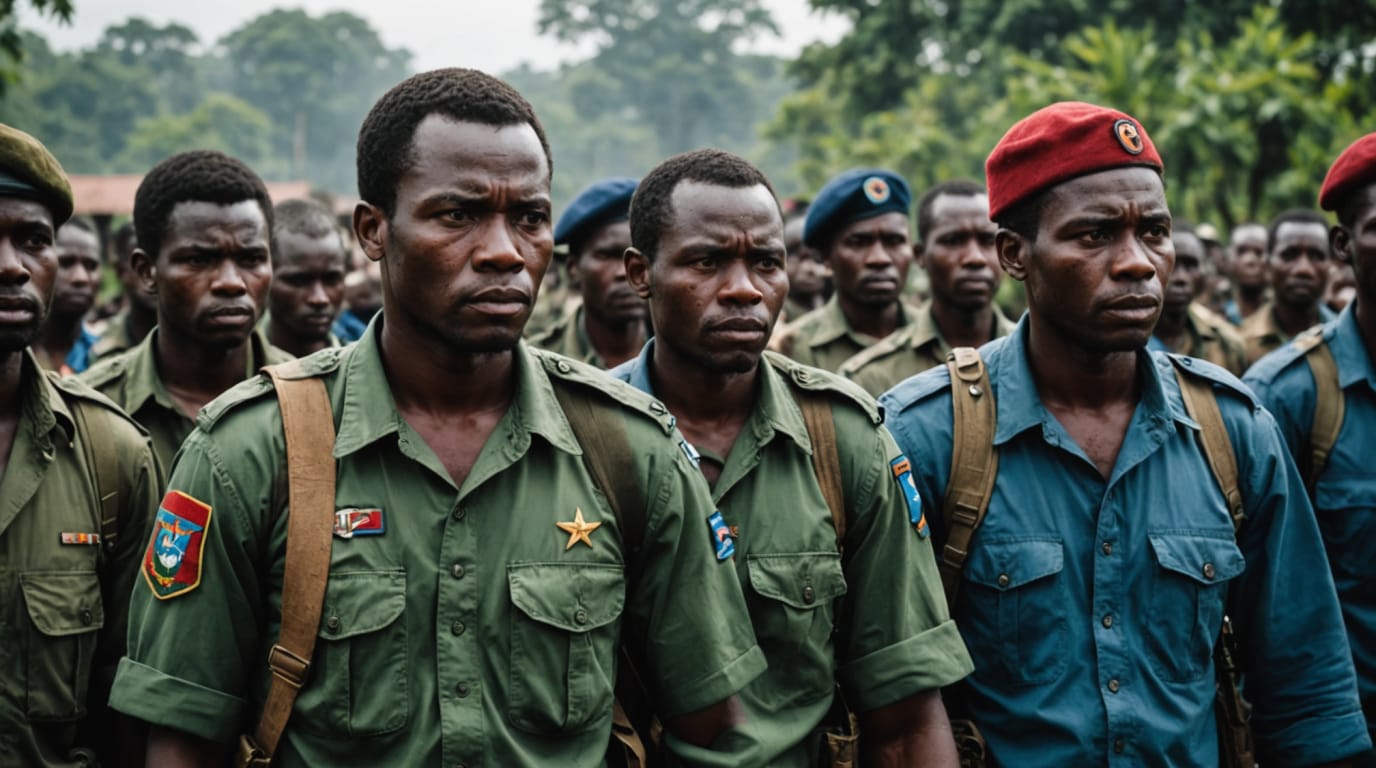
DAKAR, Senegal – In a setback to ongoing efforts to resolve the conflict in eastern Democratic Republic of Congo (DRC), the M23 rebel group announced Monday its withdrawal from planned peace talks with the Congolese government. The talks, scheduled to begin Tuesday in Luanda, Angola, were aimed at finding a path toward de-escalation and lasting stability in the region, but the M23 cited recent international sanctions against its members as the reason for their decision.
The M23's withdrawal throws into question the viability of the Angola-led peace process, which has been attempting to mediate a ceasefire between the rebels and the Congolese government for months. The move comes after the European Union imposed sanctions on M23 leaders and Rwandan army commanders, a decision the rebel group says has undermined the possibility of constructive dialogue.
Sanctions as a Stumbling Block
According to M23 spokesperson Lawrence Kanyuka, the EU sanctions, announced Monday, have created an environment where meaningful negotiations are "impracticable." Kanyuka stated on X that "certain international institutions are deliberately working to sabotage peace efforts" and that the sanctions "seriously compromise direct dialogue and prevent any progress." He added that the M23 can "no longer participate in the discussion" under these circumstances.
The sanctions targeted individuals accused of fueling the conflict in eastern Congo, a region rich in minerals that has been plagued by violence for decades. While the EU has defended the sanctions as a necessary step to promote accountability and deter further destabilization, the M23 views them as a biased measure that unfairly targets its members and obstructs the peace process.
Congo Government Still Willing to Talk
Despite the M23's withdrawal, the Congolese government has indicated it will still attend the talks in Luanda. Tina Salama, spokesperson for President Felix Tshisekedi, told the Associated Press that a Congolese delegation had already traveled to the Angolan capital. This suggests the government remains committed to finding a peaceful resolution to the conflict, even without the participation of the M23.
However, President Tshisekedi has previously expressed reluctance to negotiate directly with the M23, referring to them as a "terrorist group." This stance reflects the deep mistrust and animosity that exists between the government and the rebels, making any potential dialogue fraught with challenges.
A History of Mistrust and Failed Negotiations
The conflict in eastern Congo has deep roots, stemming from ethnic tensions, competition over resources, and the legacy of regional wars. The M23, a predominantly Tutsi group, has repeatedly accused the Congolese government of discrimination and marginalization. The group's resurgence in recent years has led to renewed fighting and displacement, exacerbating an already dire humanitarian situation.
Previous attempts to broker peace have faltered due to a number of factors, including disagreements over preconditions, lack of trust between the parties, and the involvement of external actors. In December, peace talks between Congo and Rwanda were unexpectedly canceled after Rwanda insisted on direct dialogue between Congo and the M23 rebels, which Congo refused.
Humanitarian Crisis Deepens
The ongoing conflict has created one of the world's most significant humanitarian crises. More than 7 million people have been displaced, and millions more are in need of assistance. The fighting has disrupted agriculture, trade, and access to essential services, leaving communities vulnerable to hunger, disease, and violence.
The withdrawal of the M23 from peace talks raises concerns that the humanitarian situation could further deteriorate. Without a negotiated settlement, the conflict is likely to continue, prolonging the suffering of civilians and undermining efforts to build a more stable and prosperous future for the region.
Regional Implications
The conflict in eastern Congo has significant regional implications, particularly for relations between Congo and Rwanda. The Congolese government has repeatedly accused Rwanda of supporting the M23, a charge that Rwanda denies. However, the United Nations and other international organizations have documented evidence of Rwandan involvement, further straining relations between the two countries.
The failure of the Angola-led peace process could lead to increased regional tensions and further destabilize the already fragile security situation in the Great Lakes region. It also underscores the need for a more comprehensive and coordinated approach to addressing the root causes of the conflict, involving not only the Congolese government and the M23, but also regional actors and the international community.
The M23's decision to withdraw from peace talks represents a significant setback for efforts to resolve the conflict in eastern Congo. While the Congolese government remains willing to negotiate, the absence of the M23 raises serious questions about the prospects for a lasting peace. The international community must redouble its efforts to address the underlying causes of the conflict, promote dialogue, and provide humanitarian assistance to the millions of people affected by the violence. Without a renewed commitment to peace, the region risks sliding further into instability and suffering.


