Macron Seeks Middle East Progress During Egypt Visit
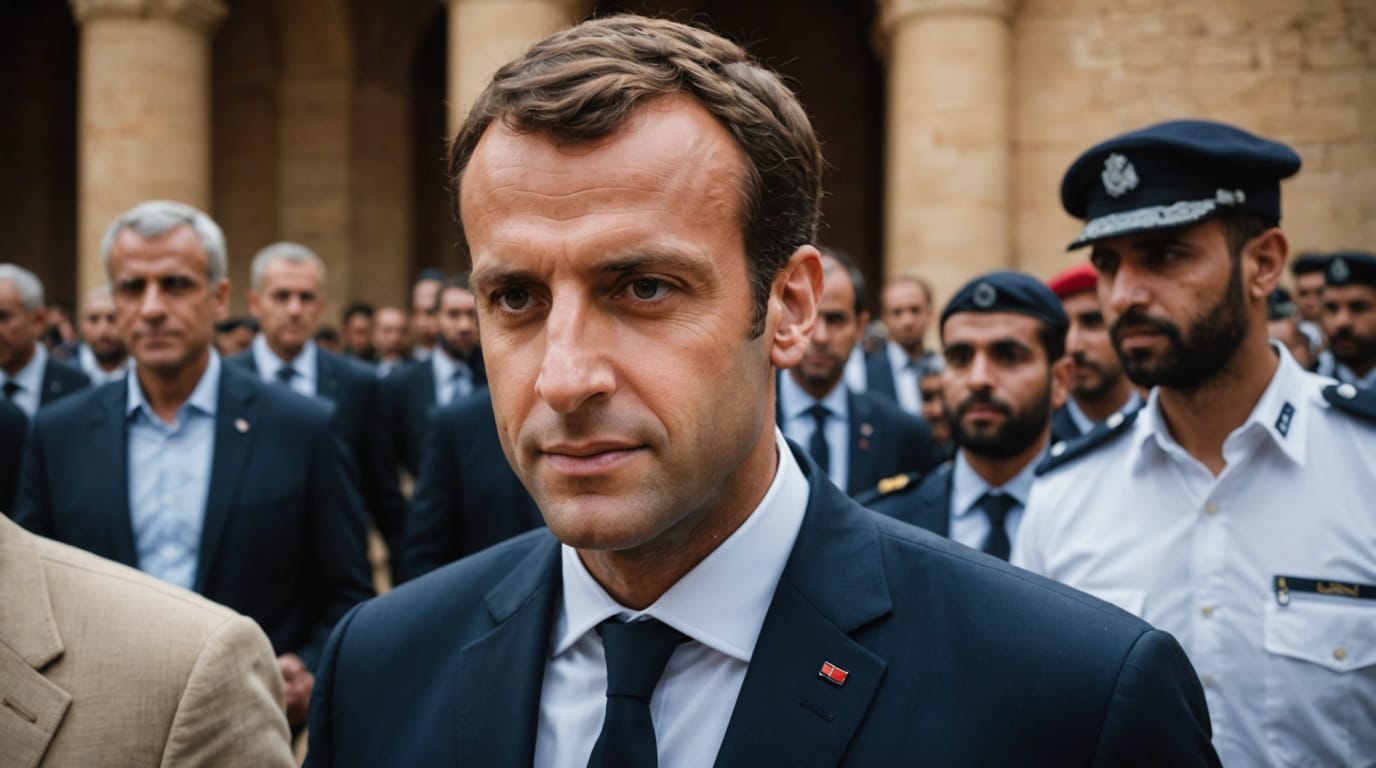
French President Emmanuel Macron is scheduled to visit Egypt next week, aiming to advance peace efforts in the Middle East, particularly concerning the ongoing conflict in Gaza. The visit underscores France's commitment to de-escalation and stability in the region, with Macron expected to address the urgent need for a ceasefire and increased humanitarian aid.
Macron's itinerary includes a stop in Arish, an Egyptian port city approximately 30 miles from Gaza, on Tuesday. This location serves as a crucial transit point for international aid destined for the Palestinian territory. While in Arish, Macron plans to meet with humanitarian and security personnel, emphasizing France's dedication to securing a ceasefire. The French President's office stated that Macron will stress his "constant mobilization in favor of a ceasefire" during these meetings.
Egypt has played a significant role as a mediator between Israel and Hamas since the October 7, 2023, attacks. During his visit, Macron is expected to meet with Egyptian President Abdel Fattah El-Sisi on Monday to discuss the conflict and potential pathways to de-escalation. Macron will emphasize the urgency of securing a new ceasefire to alleviate the humanitarian crisis in Gaza, halt Israeli strikes, and secure the release of Israeli hostages held in Gaza.
A key aspect of Macron's visit is the planned signing of a draft accord concerning the treatment of wounded Palestinians evacuated from Gaza. This agreement highlights the ongoing humanitarian crisis and the need for international cooperation in providing medical assistance to those affected by the conflict. The Rafah crossing, near Arish, has been largely closed since the breakdown of the previous ceasefire, hindering the delivery of essential supplies to Gaza.
France, along with other European nations, has been actively involved in diplomatic efforts to address the Israeli-Palestinian conflict. In August 2024, leaders from France, Germany, and the United Kingdom issued a joint statement supporting the efforts of Qatar, Egypt, and the United States to broker a ceasefire and secure the release of hostages. The leaders emphasized the urgent need for a cessation of hostilities and the delivery of aid to the people of Gaza. They also cautioned against actions that could further escalate regional tensions, particularly urging Iran and its allies to refrain from attacks.
Macron's visit also occurs amid growing international concern over the potential consequences of an Israeli offensive in Rafah, where over 1.5 million Palestinian civilians have sought refuge. Egypt, France, and Jordan have jointly warned against such an offensive, citing the potential for increased death and suffering, mass displacement, and regional escalation. These nations have reiterated their commitment to a two-state solution as the only viable path to lasting peace and security in the region.
The French president has also engaged in direct communication with leaders from other Middle Eastern nations, including Saudi Arabia, the United Arab Emirates, and Jordan, to address rising tensions and advocate for restraint. In addition, Macron has spoken with the President of Iran, urging de-escalation and emphasizing the importance of regional stability. These diplomatic efforts reflect France's broader strategy of engaging with all relevant actors to promote dialogue and prevent further conflict.
Macron's trip to Egypt underscores France's continued commitment to finding a resolution to the Israeli-Palestinian conflict and promoting stability in the Middle East. By engaging with regional leaders, supporting humanitarian efforts, and advocating for a ceasefire, France aims to play a constructive role in addressing the complex challenges facing the region. The success of Macron's mission remains to be seen, but it signals a renewed effort to prioritize peace and diplomacy in the face of ongoing conflict and humanitarian crisis.


