Macron Urges Netanyahu to End Gaza Suffering, Netanyahu Rejects Palestinian State
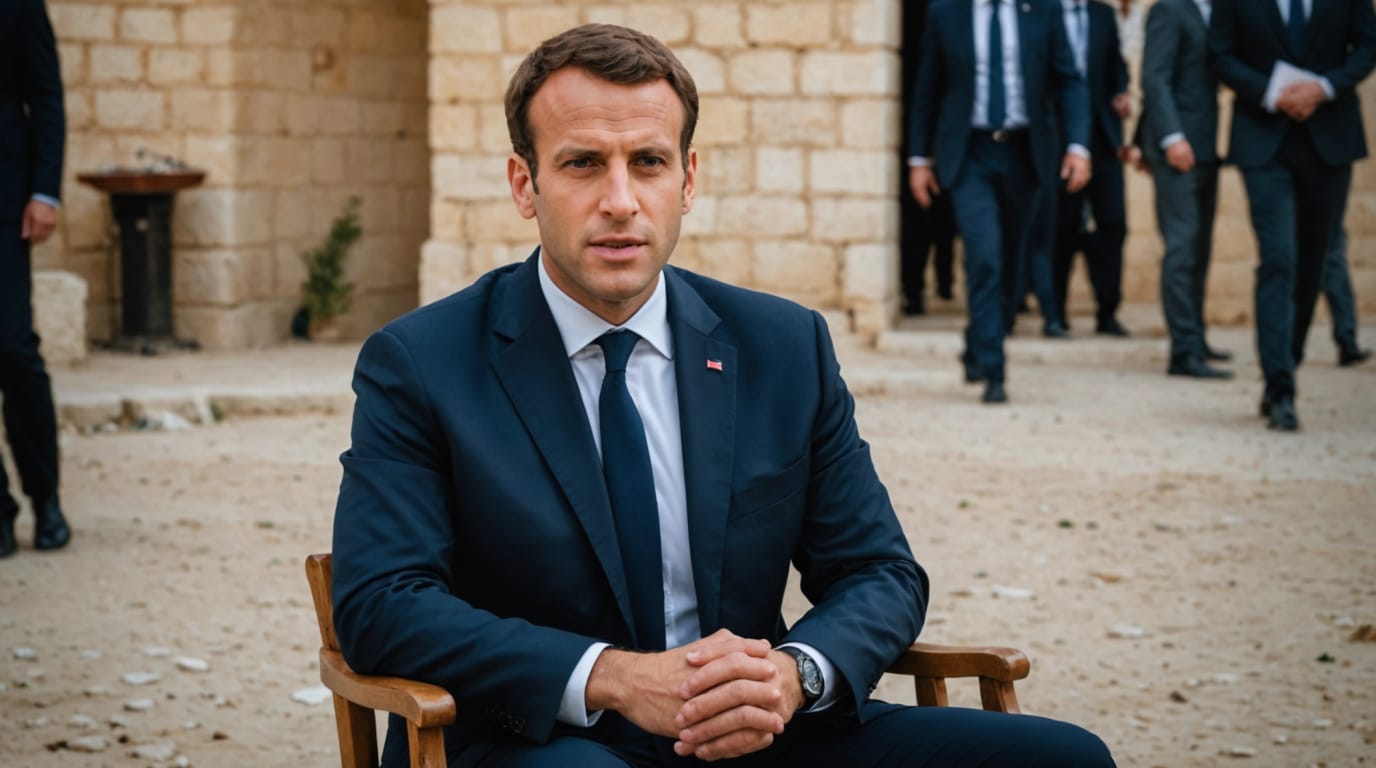
French President Emmanuel Macron has intensified pressure on Israeli Prime Minister Benjamin Netanyahu to halt the escalating humanitarian crisis in Gaza, while Netanyahu has reaffirmed his staunch opposition to the establishment of a Palestinian state. The exchange occurred during a phone call Tuesday as international concerns mount over the ongoing conflict and its devastating impact on civilians.
Macron conveyed to Netanyahu that the suffering endured by the civilian population in Gaza must cease, emphasizing that a ceasefire is the only viable path to securing the release of remaining Israeli hostages held within the territory. Following the call, Macron reiterated his position on X, calling for the immediate opening of all humanitarian aid crossings into Gaza, which has been under siege.
Netanyahu's office released a statement outlining his response to Macron, in which he expressed his firm opposition to the creation of a Palestinian state. He argued that such a move would constitute "a huge reward for terrorism." Netanyahu asserted that a Palestinian state bordering Israeli cities would become a stronghold for Iranian-backed terrorism, a view he claims is widely held by the Israeli public and has been his consistent policy.
Calls for Ceasefire and Humanitarian Access
Macron's call for a ceasefire echoes growing international demands for a cessation of hostilities to allow for the delivery of desperately needed humanitarian aid to Gaza. International organizations have warned of a looming famine and widespread disease due to the severe shortages of food, water, medicine, and shelter. The French President's emphasis on opening humanitarian aid crossings reflects the urgent need to alleviate the suffering of Gazan civilians.
The call between the two leaders follows Macron's recent statements suggesting that France could recognize a Palestinian state in the coming months. These remarks drew criticism from Israeli officials, including Netanyahu, and right-wing groups in France. Macron has stated that he hopes French recognition would encourage other countries to follow suit, while also urging countries that do not recognize Israel to do so as well.
Netanyahu's Rejection of Palestinian State
Netanyahu's unwavering opposition to a Palestinian state remains a significant obstacle to any potential peace negotiations. His stance aligns with his long-held political views and the position of many within his right-wing coalition government. Netanyahu's assertion that a Palestinian state would become a haven for Iranian-backed terrorism reflects deep-seated security concerns within Israel.
Netanyahu's rejection of a two-state solution contrasts with international consensus, which views it as the most viable path to a lasting peace between Israelis and Palestinians. The establishment of a Palestinian state has been a central tenet of international peace efforts for decades, but the current Israeli government has shown little inclination to engage in meaningful negotiations towards that goal.
Regional Implications and International Response
The ongoing conflict in Gaza has far-reaching regional implications, exacerbating existing tensions and potentially fueling further instability. Macron's visit to the region earlier this month, including a stop in Egypt near the Gaza border, underscored France's commitment to addressing the humanitarian crisis and seeking a resolution to the conflict.
Hamas has called on nations, especially Arab and Islamic ones, to participate in a global week of demonstrations under the slogan “Gaza cries out” to attract more attention to the plight of besieged Palestinians.
The Maldives has announced it is banning the entry of all Israelis in “resolute solidarity” with the Palestinian people.
The international community remains divided on how to address the Israeli-Palestinian conflict. While many countries support a two-state solution, there are differing views on the specific parameters of a future Palestinian state and the best approach to achieving a lasting peace. The United States, a key ally of Israel, has also expressed support for a two-state solution but has not exerted significant pressure on the Netanyahu government to change its policies.
Humanitarian Crisis Deepens
The humanitarian situation in Gaza continues to deteriorate, with a significant portion of the population displaced and facing dire living conditions. The destruction of infrastructure, including hospitals and schools, has further compounded the crisis. International aid organizations are struggling to deliver assistance due to ongoing security concerns and restrictions on access.
Gaza's Health Ministry has condemned the Israeli air attack on the Kuwaiti Field Hospital in the al-Mawasi area of Khan Younis governorate, in southern Gaza, which killed at least one medic and injured nine people.
The lack of access to clean water and sanitation has increased the risk of disease outbreaks, particularly among children. The World Health Organization and other agencies have warned of a potential public health catastrophe if the situation is not addressed urgently.
Future Prospects
The prospects for a resolution to the Israeli-Palestinian conflict remain uncertain. The deep divisions between the two sides, coupled with regional and international complexities, make it difficult to envision a path towards a lasting peace. Macron's efforts to pressure Netanyahu to alleviate the suffering in Gaza reflect a growing sense of urgency within the international community. However, it remains to be seen whether these efforts will lead to a meaningful change on the ground. The ongoing conflict continues to claim lives and exacerbate the humanitarian crisis, underscoring the urgent need for a renewed commitment to finding a peaceful and just solution.


