Mahama Returns to Power in Ghana, Faces Economic Headwinds
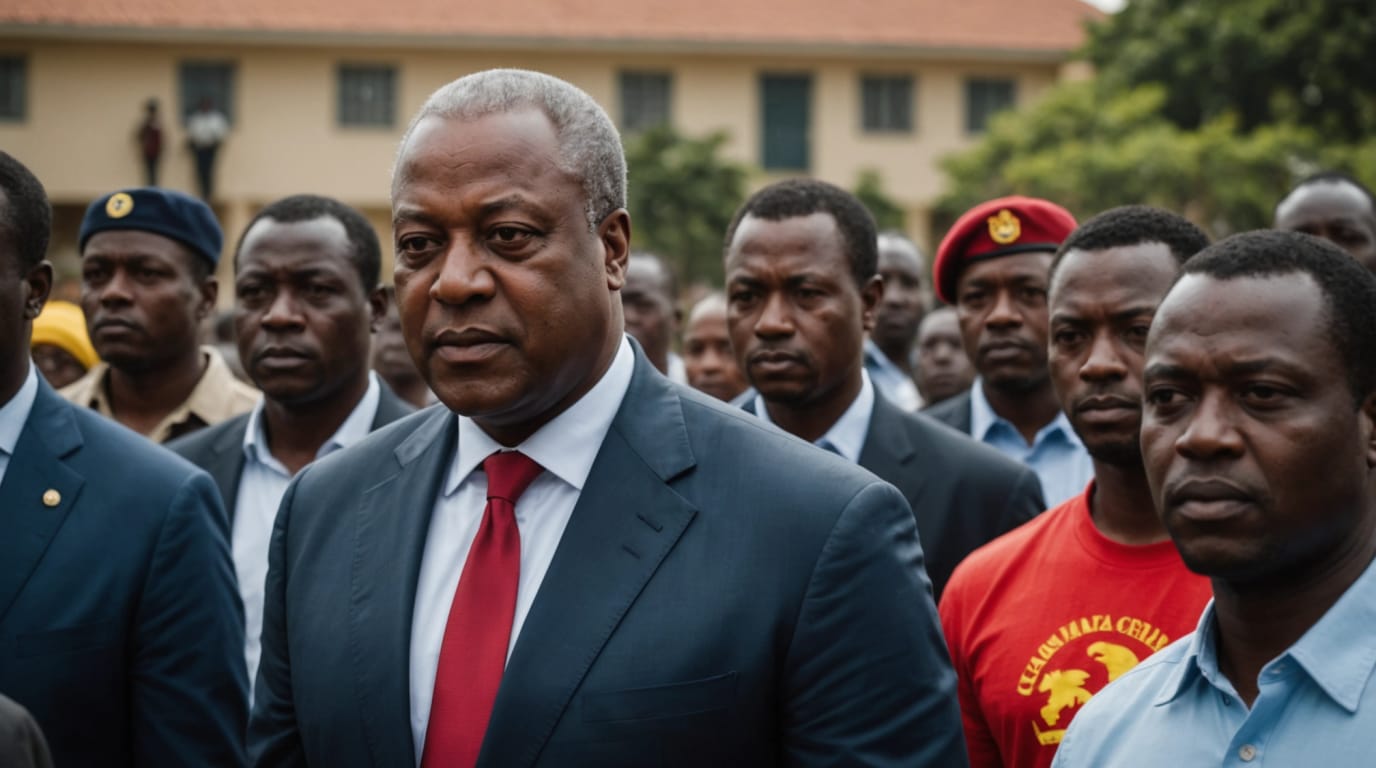
John Dramani Mahama's return to the presidency of Ghana in January 2025 marks not only a significant shift in the nation's political landscape but also the beginning of a challenging journey to revitalize a struggling economy and restore public trust. After securing 56.55% of the vote in the December 2024 elections, Mahama inherits an economy burdened by debt, high inflation, and widespread discontent, setting the stage for a presidency defined by ambitious reforms and significant hurdles.
Economic Reset: A Top Priority
Mahama's campaign resonated with Ghanaians largely due to his promise to address the country's dire economic straits. Ghana's economy has faced significant challenges in recent years, including a surge in public debt, dwindling international reserves, and escalating inflation. The roots of these problems run deep, stemming from years of excessive borrowing and reliance on natural resources like gold, oil, and cocoa.
The new administration has pledged to implement a series of measures aimed at stabilizing the economy and fostering sustainable growth. Key among these is a national economic dialogue to assess the economy and develop a fiscal consolidation program to guide the 2025 budget. Finance Minister Cassiel Ato Forson has emphasized that the 2025 budget will be instrumental in stabilizing Ghana's struggling economy. The government also plans to reduce domestic borrowing, making more financial resources available to the private sector.
However, the path to economic recovery is fraught with challenges. Ghana faces significant external debt service costs over the next four years, with heavy concentrations in 2027 and 2028. The country must pay $8.7 billion, representing 10.9% of GDP, with $2.5 billion due in 2027 and $2.4 billion in 2028. These obligations, coupled with existing economic vulnerabilities, will test the Mahama administration's ability to navigate the complexities of debt management and fiscal responsibility.
The 24-Hour Economy: An Ambitious Plan
A centerpiece of Mahama's economic vision is the "24-hour economy" initiative. This policy aims to stimulate economic growth by encouraging businesses and public institutions to operate around the clock in three eight-hour shifts. The goal is to boost production, promote productivity, and generate well-paying jobs, ultimately transforming Ghana into an import substitution and export-led economy.
To implement this ambitious plan, Mahama has appointed Augustus 'Goosie' Tanoh, a veteran politician, to lead the charge. The administration plans to draft necessary legal amendments and prepare for the rollout of the 24-hour economy. While the initiative has garnered attention and sparked optimism, its success hinges on addressing potential challenges such as infrastructure limitations, security concerns, and the need for a skilled workforce.
Social Contract: Promises and Expectations
Recognizing the urgency of the situation, Mahama has outlined 26 key policies to be implemented within his first 120 days in office, dubbed "Mahama's First 120 Days: A Social Contract with the People of Ghana." These policies cover a wide range of areas, including economic reforms, governance standards, and social interventions.
Among the headline promises are scrapping contentious taxes such as the e-levy and the COVID-19 levy, instituting audits into high-profile corruption scandals, and establishing the "leanest and most efficient government under the Fourth Republic" within 90 days. Other key initiatives include implementing a "no-academic-fee" policy for first-year tertiary students, providing free tertiary education for persons with disabilities, and distributing free sanitary pads to female students in primary and secondary schools.
While these promises have been met with enthusiasm, analysts caution that Mahama's administration must manage public expectations carefully. The scale of Ghana's economic challenges and the limited fiscal space may make it difficult to deliver on all promises within the specified timeframe.
Challenges and Opportunities
Mahama's second presidency faces a complex set of challenges, including:
- High Debt Levels: Ghana's government debt remains high, projected to be around 79.5% of GDP in 2025. Managing this debt burden and ensuring debt sustainability will be crucial for long-term economic stability.
- Fiscal Deficit: Ghana's fiscal deficit remains a critical issue, fueled by spending indiscipline and weak expenditure controls. Addressing this requires prudent fiscal management and reforms in public financial management.
- Youth Unemployment: Youth unemployment remains high, particularly among those aged 15-24. Creating job opportunities for young people is essential for social stability and economic growth.
- Inflation: Inflation is expected to remain outside the Bank of Ghana's target range in 2024 and 2025. Controlling inflation and stabilizing the exchange rate are critical for protecting the purchasing power of Ghanaians.
Despite these challenges, Mahama's administration also has several opportunities to leverage:
- IMF Support: Ghana is currently under an IMF Extended Credit Facility program, which provides financial support and guidance for economic reforms.
- Debt Restructuring: Ongoing efforts to restructure external debt are expected to improve Ghana's debt situation and free up resources for development.
- Natural Resources: Ghana's natural resources, including gold, oil, and cocoa, can be leveraged to generate revenue and drive economic growth, provided they are managed transparently and efficiently.
- AfCFTA: The Africa Continental Free Trade Agreement offers opportunities for Ghana to expand its exports and integrate into regional and global value chains.
A Test of Leadership
John Dramani Mahama's return to power in Ghana represents a pivotal moment for the nation. His ability to navigate the economic headwinds, implement ambitious reforms, and manage public expectations will determine the success of his presidency and the future of Ghana's democracy. The coming months will be a crucial test of his leadership and the resilience of the Ghanaian people.


