Major Earthquake Strikes Myanmar, Tremors Felt Across Southeast Asia
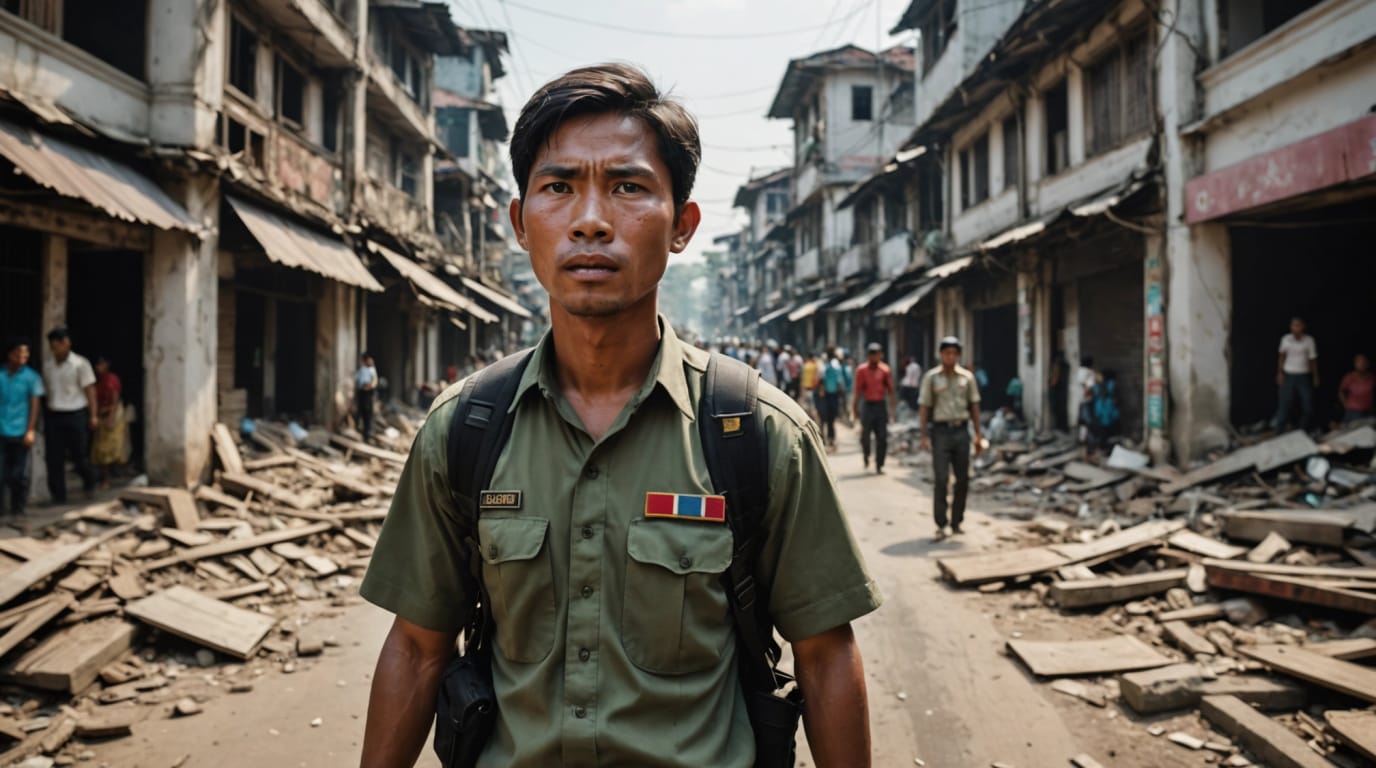
A powerful 7.7 magnitude earthquake struck Myanmar on Friday, sending shockwaves across Southeast Asia and causing widespread panic and destruction. The quake, which originated near the city of Sagaing, Myanmar, triggered tremors felt as far away as Bangkok, Thailand, and even parts of China, leaving a trail of collapsed buildings, disrupted infrastructure, and a rising death toll.
Earthquake Details and Immediate Impact
The earthquake struck at approximately 12:50 PM local time, with the epicenter located about 18 kilometers from Sagaing, Myanmar. The U.S. Geological Survey reported a shallow depth of 10 kilometers, contributing to the intensity of the shaking. A 6.4 magnitude aftershock followed shortly after, exacerbating the damage and hindering initial rescue efforts.
In Myanmar, the quake caused significant damage to buildings and infrastructure. Collapsed bridges and buildings were reported, and a 1,000-bed hospital in Naypyitaw was overwhelmed, becoming a "mass casualty area," according to reports. The military junta has declared a state of emergency as rescue teams struggle to reach affected areas, hampered by damaged roads and communication networks.
Bangkok Reels from Collapsed Building
The impact was felt strongly in Bangkok, where high-rise buildings swayed and residents rushed into the streets in fear. A 30-story building under construction in the Chatuchak area collapsed, trapping hundreds of workers. As of Friday evening, at least three deaths have been confirmed at the site, with rescue teams desperately searching for survivors among the rubble. Initial reports indicated that approximately 320 workers were on site when the quake struck, with dozens still missing.
Thailand's stock exchange suspended trading in the immediate aftermath of the earthquake, reflecting the widespread disruption and uncertainty. The government has declared Bangkok a disaster area, mobilizing emergency services and resources to assist in rescue and recovery efforts.
Regional Impact and International Response
Beyond Myanmar and Thailand, tremors were also felt in Vietnam, Bangladesh, and parts of India. While the extent of the damage in these areas is still being assessed, the widespread impact underscores the regional scale of the disaster.
Indian Prime Minister Narendra Modi has offered support to Myanmar, while other nations are also expected to provide assistance in the coming days. The Red Cross is facing challenges in reaching quake-hit areas in Myanmar due to damaged infrastructure and ongoing instability.
Historical Context and Future Risks
Earthquakes are relatively common in Myanmar, which lies near the Sagaing Fault, a major seismic zone. The country has experienced several strong earthquakes in the past, including a 6.8 magnitude quake in 2016 that damaged the ancient city of Bagan.
Experts warn that rapid development, crumbling infrastructure, and poor urban planning in Myanmar's cities have increased the country's vulnerability to earthquakes and other disasters. The collapse of the building in Bangkok also raises concerns about construction standards and safety regulations in the region.
Ongoing Rescue Efforts and Aftermath
As night falls, rescue efforts continue in both Myanmar and Thailand. The focus remains on searching for survivors trapped in the rubble of collapsed buildings and providing medical assistance to the injured. The full extent of the damage and the number of casualties are still unknown, but it is clear that this earthquake will have a significant and lasting impact on the region. The disaster highlights the importance of earthquake preparedness, robust building codes, and effective disaster response mechanisms in seismically active areas.


