Malawi Grapples with Deepening Fuel Crisis as Economy Strains Under Soaring Prices
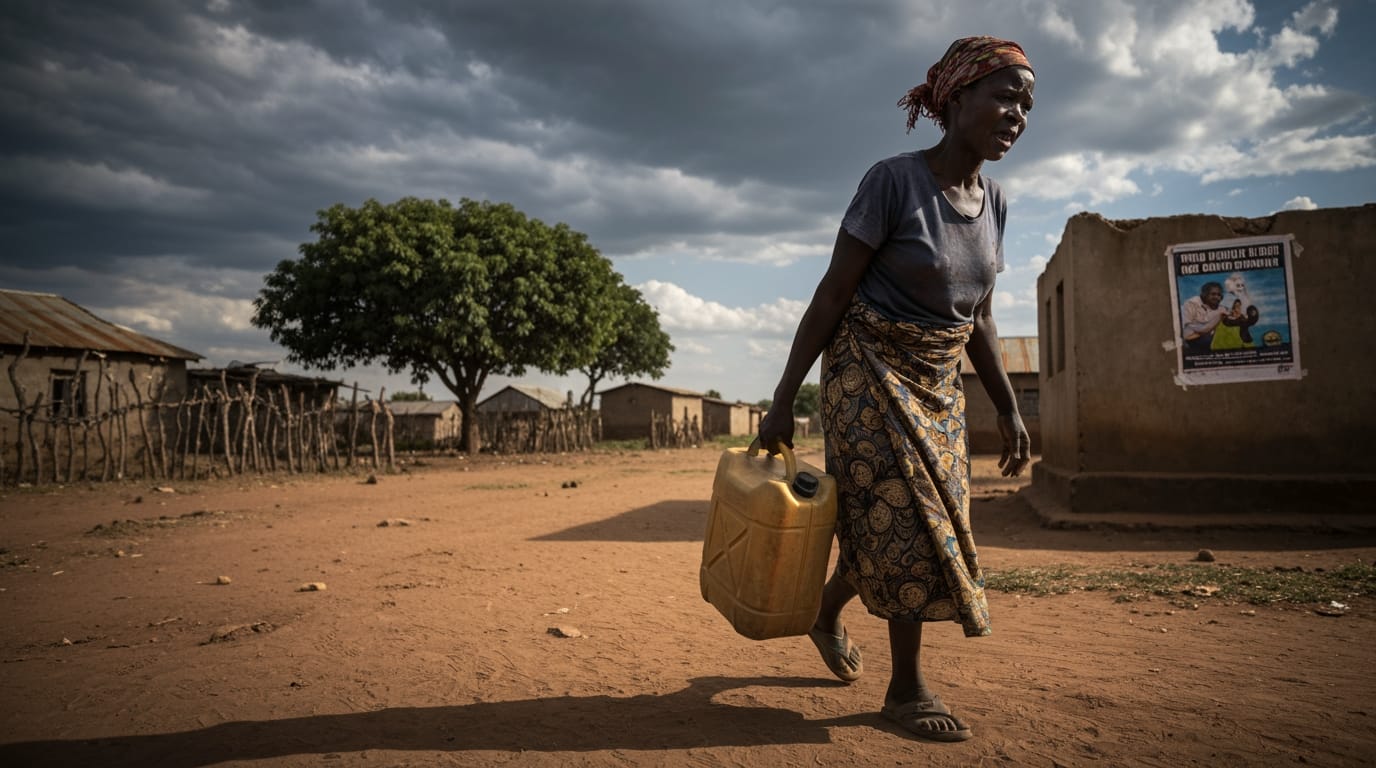
Malawi is entrenched in a severe and escalating fuel crisis, with widespread shortages paralyzing daily life, crippling businesses, and pushing the nation's already fragile economy to the brink. Filling stations across the country are frequently dry or rationing limited supplies, forcing citizens into hours-long queues and making essential services increasingly difficult to access. The crisis, driven primarily by a chronic shortage of foreign exchange and exacerbated by global market volatility, has seen Malawi record the highest fuel prices in Africa and the second-highest worldwide, triggering a profound cost-of-living emergency for millions.
A Nation Stalled: The Crippling Reality on the Ground
The impact of Malawi's persistent fuel scarcity is immediately visible in its urban centers and rural communities alike. Many petroleum retailers operate at a mere 30% of their normal capacity, receiving fuel deliveries as infrequently as once a week, leading to a landscape of empty forecourts and frustrated motorists. Reports from early May 2026 indicate that despite government assurances of improving supply, the majority of filling stations remain gripped by shortages, particularly in districts outside major cities like Lilongwe and Mzuzu. Motorists often spend hours, sometimes even days, hoping for fuel, leading to chaos and occasional instances of bribery at the pumps.
Transportation has been among the hardest-hit sectors. Public transport fares have reportedly doubled in some areas, making daily commutes an unaffordable luxury for many Malawians. Taxi operators, struggling to stay in business, are often forced to source fuel from the illicit black market, where prices are significantly inflated, with some sources reporting premiums of up to 50% over the normal pump price. Government departments have also curtailed vehicle usage, reserving them only for core operations, further illustrating the severity of the logistics crunch. The ripple effects extend to crucial services, with non-governmental organizations (NGOs) facing immense challenges in transporting vital aid and resources to vulnerable communities, some of which are becoming increasingly isolated.
The Roots of Scarcity: A Confluence of Economic and Global Factors
At the heart of Malawi's protracted fuel crisis lies a critical shortage of foreign exchange (forex). As a landlocked, import-dependent nation, Malawi relies heavily on foreign currency to purchase petroleum products on the international market. The National Oil Company of Malawi (NOCMA) and other importers frequently struggle to make timely payments to international suppliers, who have increasingly demanded upfront cash payments rather than offering fuel on credit. This has resulted in significant backlogs at ports, with Malawian trucks awaiting fuel cargo, exacerbating the scarcity.
Beyond the forex deficit, several other factors contribute to the crisis. Global geopolitical tensions, such as the conflict in the Middle East, have disrupted international supply routes and driven up crude oil prices, impacting countries like Malawi that are structurally vulnerable to external energy shocks. Domestically, analysts point to systemic policy and market structure failures. These include a historical lack of investment in robust fuel storage facilities and transportation infrastructure, creating bottlenecks in the distribution network. There have also been concerns raised about the role of NOCMA, which was initially established to manage strategic reserves but has increasingly operated as a commercial competitor, potentially diluting its focus on national fuel security. Furthermore, illegal fuel vending and hoarding by some station owners divert legitimate supplies, contributing to the scarcity and inflated prices on the black market. Logistical disruptions along key supply routes, particularly through Tanzania, have also been cited by the government as a contributing factor.
Economic Fallout and Deepening Humanitarian Strain
The economic ramifications of the fuel crisis are far-reaching, extending well beyond transportation costs. The Malawi Energy Regulatory Authority (MERA) implemented a significant fuel price adjustment in April 2026, which saw petrol and diesel prices soar to nearly $4 per liter, more than double the global average. This move, intended to shift from subsidized pricing to a cost-reflective system, has inevitably triggered widespread inflationary pressure across all sectors.
Households and businesses are contending with an escalating cost-of-living crisis. The price increases for fuel have directly translated into higher costs for virtually all goods and services, with food prices climbing significantly. This disproportionately affects Malawi's most vulnerable populations, where a significant portion of income is already allocated to basic necessities. Experts warn that the hike will deepen poverty and stifle an already struggling economic activity, potentially leading to business closures and job losses within small and medium enterprises. Critical sectors like agriculture, the backbone of Malawi's economy, face soaring costs for diesel-powered equipment and transport, threatening food security. Hospitals and other essential services that rely on generators are also grappling with the scarcity and exorbitant cost of fuel, hindering their ability to operate effectively.
Government Response and Lingering Challenges
In response to the crisis, the Malawian government has acknowledged the severity of the situation and initiated several measures. Officials have pointed to logistical disruptions and the forex shortage as primary causes. Efforts include negotiating a $120 million loan from Afrexim Bank, earmarked to procure over 120 million liters of fuel. The government has also resorted to selling parts of its gold reserves to secure foreign exchange for fuel imports, a measure critics view as a short-term fix rather than a sustainable solution. Furthermore, authorities have announced settling outstanding debts with international suppliers and finalizing new payment structures with commercial banks and the Reserve Bank of Malawi.
Despite these interventions, public frustration continues to mount as promises of relief have often not materialized. For instance, a government announcement in late April 2026 projected an easing of the crisis by early May following the dispatch of 243 fuel tankers, yet the reality on the ground has seen continued shortages. While some improvements in supply have been noted in major cities, fuel deliveries still fall short of national demand, and the Petroleum Retailers Association of Malawi warns that the crisis is far from over. The challenge of stabilizing the legal fuel supply chain and curbing illegal vending activities remains significant, as does the long-term imperative to strengthen Malawi's foreign exchange reserves and diversify energy sources to mitigate future vulnerabilities.
An Uncertain Path Ahead
Malawi's deepening fuel crisis is a complex interplay of global economic forces, structural domestic weaknesses, and a critical shortage of foreign currency. The profound disruption to daily life, coupled with escalating costs and the threat to essential services, underscores the urgent need for comprehensive and sustainable solutions. While the government attempts to navigate these turbulent waters through loans and strategic adjustments, the ongoing scarcity and record-high prices highlight the enduring fragility of an economy heavily reliant on imports. The path to energy security and economic stability for Malawi remains challenging, requiring sustained efforts to build resilience against both internal and external pressures.


