Nigeria Grapples with Deep Public Pushback Over Ex-Boko Haram Fighter Reintegration
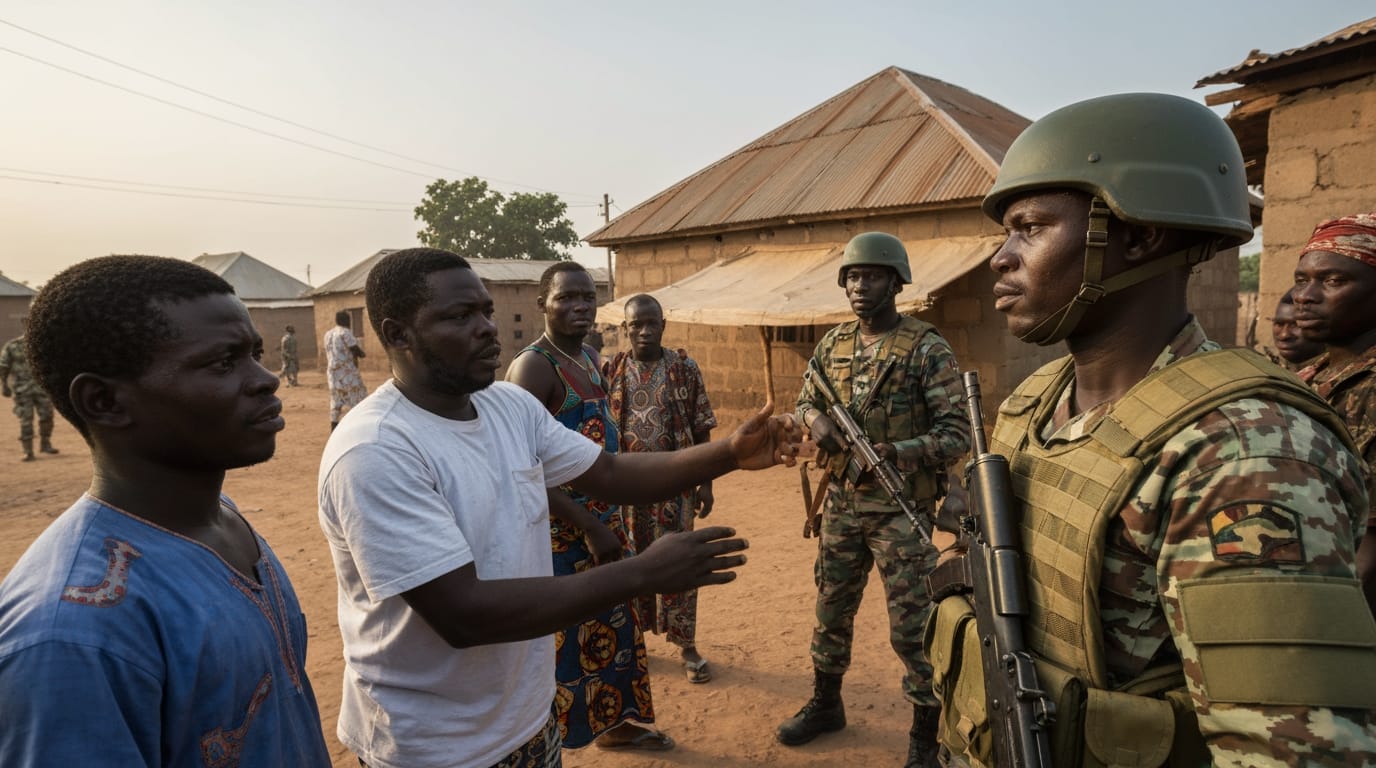
Abuja, Nigeria – Nigeria's ambitious program to deradicalize and reintegrate former Boko Haram fighters into society, known as Operation Safe Corridor (OPSC), is facing significant public skepticism and outright opposition, particularly from the communities most devastated by the decade-long insurgency. While authorities hail the initiative as a crucial component of a non-kinetic strategy to end the conflict, a profound trust deficit, concerns over justice for victims, and fears of recidivism threaten the program's long-term viability and the nation's fragile peace.
The government's effort to rehabilitate repentant militants has ignited a heated debate, pitting the strategic imperative of weakening extremist groups against the profound desire for justice and accountability among a traumatized populace. This tension underscores a complex humanitarian dilemma at the heart of Nigeria's recovery from insurgency.
Operation Safe Corridor: A Strategic Shift Towards Peace
Established in 2016 under then-President Muhammadu Buhari, Operation Safe Corridor marked a strategic shift in Nigeria's counter-insurgency efforts. Recognizing that military force alone could not fully defeat Boko Haram, the government launched OPSC as a non-kinetic approach to complement ongoing military operations. Its core objective is to deradicalize, rehabilitate, and reintegrate low-level Boko Haram recruits who voluntarily defect or surrender. The program, primarily based at a camp in Gombe State, involves a structured 16-week process that includes vocational training, psychosocial therapy, and religious re-education, aiming to reshape participants' extremist ideologies and equip them with skills for civilian life.
Since its inception, OPSC has facilitated the rehabilitation and reintegration of over 2,600 individuals, with reports indicating more than 700 former fighters were recently released into society. This program targets both combatant and non-combatant individuals integral to the extremist factions, providing them with an exit route from jihadist groups like Boko Haram and the Islamic State West Africa Province (ISWAP). Proponents argue that by offering an alternative to continued violence, OPSC helps to deplete the ranks of insurgents and foster long-term stability. However, the program's perceived successes are increasingly overshadowed by a groundswell of public discontent.
The Deep Roots of Public Discontent
The most vocal opposition to OPSC stems from victims and affected communities who feel profoundly betrayed by a system that appears to prioritize the rehabilitation of perpetrators over justice for their suffering. Many victims perceive the amnesty process as unjust, arguing that their pain and losses are ignored while ex-fighters receive support for reintegration. For these communities, justice is synonymous with recovering what they lost and receiving adequate financial support, expectations that largely remain unmet by the government. This sentiment has led to widespread dissatisfaction with the amnesty process and a growing trust deficit between the government and its citizens.
A significant concern revolves around the lack of accountability for the atrocities committed by Boko Haram members. Critics argue that OPSC grants undue leniency, as ex-fighters are reintegrated without undergoing criminal prosecution or conviction. Human rights lawyer Maxwell Opara has even petitioned the Federal High Court in Abuja, seeking a mandatory injunction to compel the Attorney-General to pursue criminal proceedings against former insurgents, arguing that granting de facto immunity for terrorism, murder, and kidnapping is unconstitutional. This legal challenge highlights a fundamental disagreement over whether rehabilitation should precede, or even preclude, judicial consequences for severe crimes.
Compounding these concerns are persistent fears of recidivism and the potential for ex-fighters to act as spies or re-engage in insurgent activities. While OPSC claims to deradicalize participants, a survey indicated that only 47.6% of respondents believed renunciations were genuine, with 35.3% reporting cases of former participants returning to terrorism. Online platforms have amplified these anxieties, reflecting a broader societal skepticism about the sincerity of participants and the safety of host communities. This deep-seated suspicion is fueled by the trauma experienced by communities, which limits their willingness to accept individuals they once viewed as enemies.
Implementation Hurdles and Community Alienation
Beyond public perception, OPSC faces significant practical challenges that impede its effectiveness. A critical flaw identified by various analyses is the insufficient involvement of affected communities in the program's design and implementation. This oversight contributes to community alienation and resistance, as locals feel their voices and experiences are not adequately considered. The trauma endured by these communities, coupled with a lack of proper communication from OPSC about its goals and processes, exacerbates skepticism and distrust.
Furthermore, reports suggest that OPSC struggles with adequate funding and consistent support. While development partners contribute, their assistance is often inconsistent and insufficient, leading to inadequate social and economic enablement for repentant fighters post-rehabilitation. Without robust follow-up and sustainable livelihood opportunities, the gains made during deradicalization can be easily reversed, potentially pushing individuals back towards extremist groups.
Another operational challenge lies in the screening process. Critics point out that authorities sometimes channel civilians fleeing Boko Haram areas into the Safe Corridor program, mislabeling them as jihadists. This not only clogs the system and deters potential donors but also undermines the credibility of the program itself. Such misidentification can further erode public trust and complicate genuine reintegration efforts.
The Humanitarian Balancing Act
Nigeria's commitment to OPSC reflects a broader recognition that lasting peace requires more than just military victories; it necessitates addressing the root causes of extremism and fostering reconciliation. However, the ongoing conflict means Nigeria is not a post-conflict state, making the reintegration process inherently more complex than in settings where hostilities have ceased. The government faces the unenviable task of balancing security imperatives with demands for justice, while simultaneously attempting to heal profound societal wounds.
Many experts emphasize that successful reintegration is crucial for promoting healing and reconciliation, but this cannot occur in a vacuum. A comprehensive approach is needed, one that integrates military action with robust deradicalization, rehabilitation, and reintegration programs that also prioritize the needs and perspectives of victims. Neglecting the concerns of those who suffered most under Boko Haram not only hinders successful reintegration but also risks perpetuating a cycle of resentment and potential instability. The argument for a human rights-based approach, involving extensive community engagement throughout the demobilization, deradicalization, rehabilitation, and integration process, is gaining traction as a necessary path forward.
Towards a More Inclusive Future
The widespread pushback against the reintegration of ex-Boko Haram fighters highlights the intricate challenges Nigeria faces in its quest for sustainable peace. While Operation Safe Corridor is a necessary component of the nation's counter-insurgency architecture, its future success hinges on a critical re-evaluation of its implementation. Addressing the deep-seated concerns of victims and affected communities must become central to the program's strategy.
This requires a multi-faceted approach: improving transparency and accountability for ex-fighters, ensuring genuine justice for victims, significantly enhancing community engagement and communication, and providing consistent, adequate support for both rehabilitated individuals and the communities receiving them. Without effectively bridging the gap between strategic security objectives and the profound need for justice, trust, and healing, Nigeria's path to lasting peace will remain fraught with difficulty, perpetually burdened by the unresolved trauma of its past. The success of OPSC, and indeed Nigeria's long-term stability, ultimately depends on addressing these critical loopholes around trust, justice, monitoring, and victim support.


