North Korea Intensifies Public Executions in Broad Crackdown on Foreign Media
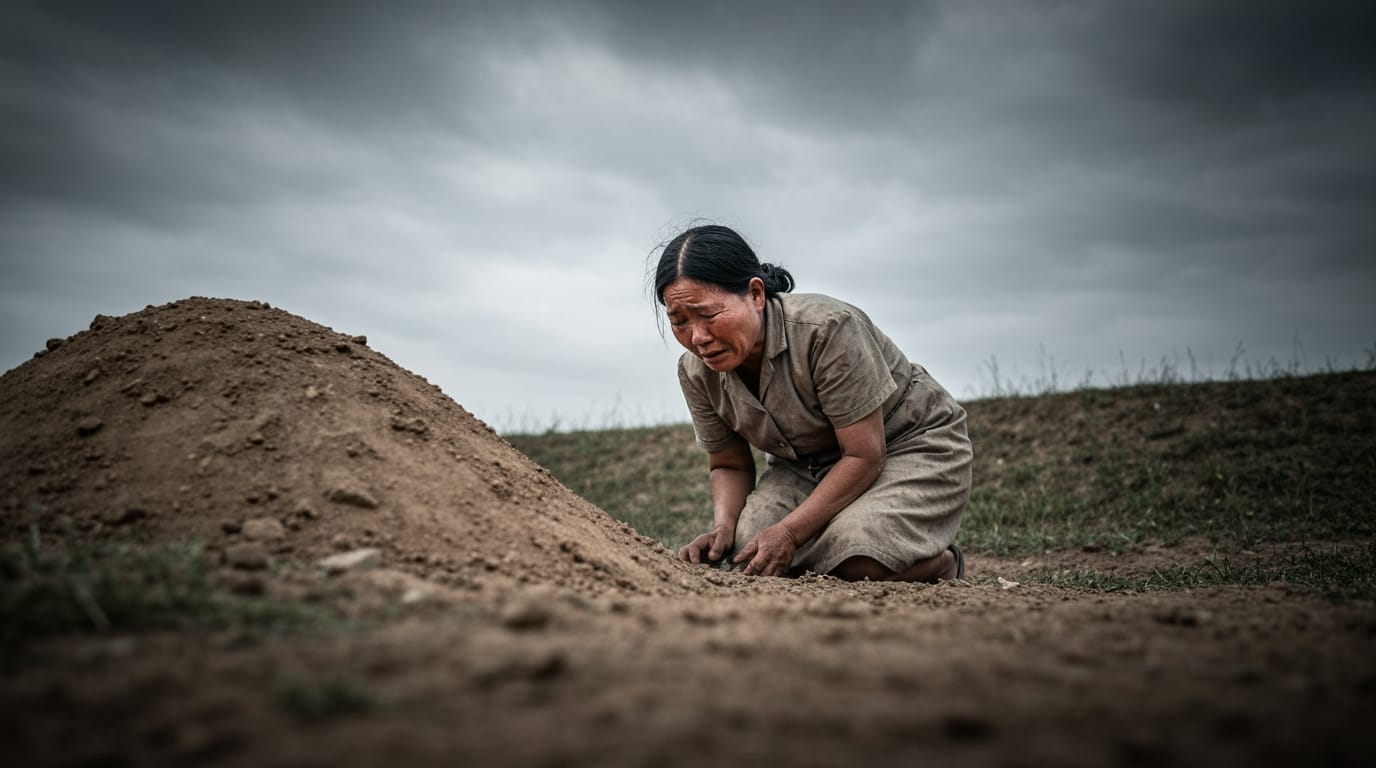
Pyongyang has dramatically escalated its use of capital punishment, particularly for citizens found consuming or distributing banned foreign media, according to recent reports from the United Nations Human Rights Office and advocacy groups. This severe crackdown, intensified since 2020 and throughout the COVID-19 pandemic, is part of an overarching strategy by the North Korean regime to instill fear, maximize control, and quash any signs of dissent amidst growing economic hardships. The increased executions, often conducted publicly, signal a "lost decade" for human rights in the reclusive state, as international observers voice grave concerns over the escalating repression.
Escalating Repression and the Pandemic's Shadow
The surge in executions marks a grim turn in North Korea's already dire human rights record. Reports indicate that crackdowns on foreign media began to intensify around 2018, becoming significantly harsher by 2020, coinciding with the nation's stringent border closures enacted in January 2020 to prevent the spread of COVID-19. Advocacy NGO, the Transitional Justice Working Group (TJWG), found that the number of executions and death sentences more than doubled in the five years following the border closure, compared to the preceding period. Specifically, death penalty cases related to foreign culture, religion, and "superstition" reportedly jumped by 250% after the borders were sealed. This period of heightened surveillance and severe punishment appears directly linked to the regime's efforts to bolster internal security and suppress any potential public dissatisfaction exacerbated by economic strains.
The United Nations Human Rights Office, basing its findings on interviews with over 300 North Korean escapees, highlighted that the North Korean government has increasingly executed civilians for offenses that do not meet the threshold requirements under international law. U.N. Human Rights Chief Volker Turk remarked, "What we have witnessed is a lost decade," expressing concern that the population would face "more of the suffering, brutal repression and fear that they have endured for so long" if the current trajectory continues.
The Crime of Accessing Outside Information
The primary target of this intensified crackdown is the consumption and distribution of "unapproved foreign media," which notably includes popular South Korean dramas, K-pop music, and other foreign films and television shows. Since 2015, North Korea has introduced at least six new laws that expand the eligibility for a death penalty sentence, with the possession or sharing of foreign media content now explicitly listed as a capital crime. This places watching a foreign film on par with serious offenses such as drug-related and economic crimes, prostitution, pornography, human trafficking, and murder.
Escapees have provided chilling accounts of public trials and executions by firing squad, which have reportedly increased since 2020, particularly for those involved in distributing foreign films or television. One defector, Kang Gyuri, who fled in 2023, recounted witnessing the executions of three friends for possessing South Korean content, describing how a 23-year-old friend was tried alongside drug criminals. Such public displays are orchestrated to send a clear message to the populace, reinforcing state control and deterring any transgression against the regime's strict information blockade.
Surveillance and the Mechanisms of Fear
North Korea's government maintains an iron grip over its population, severely restricting rights and freedoms. The recent escalation in executions is facilitated by increasingly sophisticated and pervasive surveillance technologies, which have allowed authorities to monitor citizens more effectively. This technological advantage enables the regime to detect and punish even the smallest acts of non-conformity, including accessing unauthorized media.
The systematic use of public executions serves as a powerful instrument of psychological control. By organizing public trials and public executions, the government deliberately aims to "instill fear in the population and as a deterrent." This strategy aims to eliminate "even the smallest signs of dissatisfaction or complaint" and ensure that the population remains largely isolated from the outside world. Beyond foreign media, the general repression extends to forced labor, with reports indicating that children from lower social strata are often compelled into hazardous "shock brigades" in sectors like coal mining and construction, as they lack the means to bribe their way out.
A Decades-Long Pattern and International Calls for Accountability
The current human rights crisis in North Korea is not an isolated incident but rather an intensification of a decades-long pattern of brutal repression. A landmark UN report over a decade ago concluded that North Korea had committed crimes against humanity, a finding that remains relevant as the situation deteriorates further. Despite international condemnation, Pyongyang has consistently rejected UN Human Rights Council resolutions and denied requests for comment from international bodies.
Advocacy groups like the Transitional Justice Working Group are now calling for the establishment of a permanent investigative body to hold those responsible accountable under international criminal law, akin to mechanisms used for countries like Myanmar or Iran. This appeal underscores the severity of the abuses and the urgent need for a more robust international response to address the systemic violations of human rights within North Korea, where the population continues to endure widespread suffering, brutal repression, and pervasive fear under an increasingly authoritarian regime.
Conclusion
The evidence presented by recent reports paints a stark picture of a North Korean regime tightening its grip on power through extreme measures. The dramatic increase in executions for consuming foreign media is a chilling testament to the state's determination to maintain absolute control over information and thought. By employing advanced surveillance, enacting draconian laws, and leveraging public fear, Pyongyang endeavors to keep its citizens in isolation, effectively creating a society where curiosity about the outside world can lead to a death sentence. As the international community struggles to penetrate the opaque borders of the hermit kingdom, the call for accountability and protection for the North Korean people grows ever more urgent, highlighting a profound and ongoing humanitarian crisis.


