Child Soldiers Find Viral Fame on TikTok, Fueling Sudan's War Machine
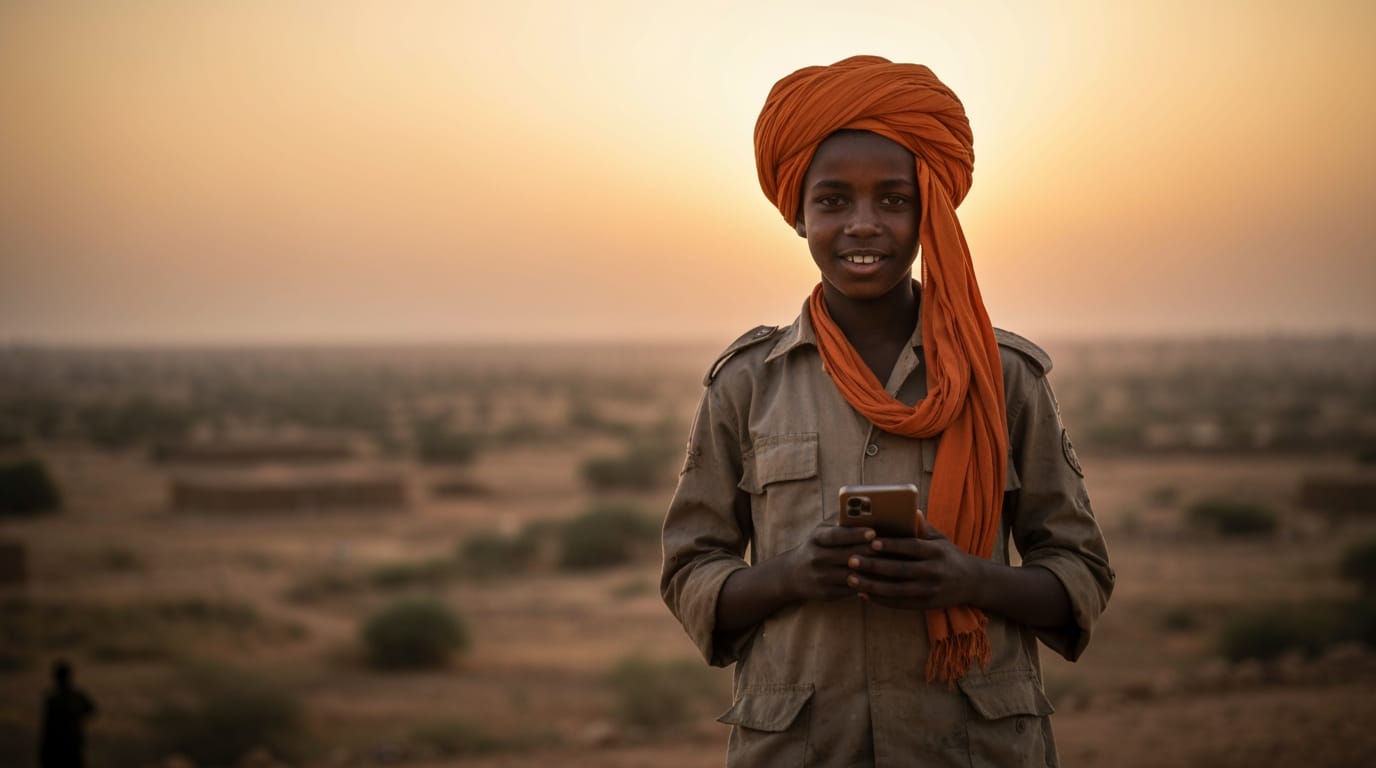
In a disturbing convergence of modern warfare and digital culture, children as young as seven are being exploited as "lion cubs" by warring factions in Sudan, gaining viral fame on TikTok and other social media platforms. These child soldiers are not merely present on the battlefield; they are actively used as instruments of propaganda and recruitment, their images and videos garnering millions of views and amplifying the brutal conflict that has engulfed the nation since April 2023. This alarming trend raises critical questions about social media responsibility, the exploitation of minors in armed conflict, and the profound ethical implications of turning child combatants into online celebrities.
The ongoing civil war between the Sudanese Armed Forces (SAF) and the Rapid Support Forces (RSF) has plunged Sudan into a humanitarian catastrophe, displacing millions and creating an environment ripe for the exploitation of vulnerable populations, particularly children. While the use of child soldiers is a long-standing issue in conflict zones, the integration of social media, specifically short-form video platforms like TikTok, has added a sinister new dimension, transforming these young individuals into unwitting tools for glorifying violence and perpetuating hostilities.
The Rise of the "Lion Cubs"
Across Sudan's conflict zones, children are being featured prominently in propaganda videos, often clad in military uniforms and brandishing weapons. These young boys, colloquially known as "lion cubs" (or "shibli" in Arabic), are portrayed celebrating battlefield victories, delivering motivational speeches, and interacting with high-ranking military officials. The content, which frequently goes viral, presents a glamorized and dangerous image of participation in the conflict, effectively normalizing violence and making military involvement appear aspirational to impressionable youth.
A Bellingcat investigation, published in February 2026, unearthed numerous TikTok accounts dedicated to showcasing these child soldiers, with some videos attracting millions of views and fostering significant online followings. Experts, including Mia Bloom, a specialist in child soldier propaganda, have drawn stark parallels between the viral status of these children and that of "Disney stars," noting how such fame can incentivize emulation among other young people and bolster recruitment efforts for armed groups. The RSF, for instance, has been documented featuring children alongside commanders, while the SAF has showcased a young boy reciting poems that mock enemy leaders and glorify combat, often appearing with government officials. Some footage is even more harrowing, showing children near active combat zones or, in at least one instance, alongside deceased individuals, underscoring the extreme dangers to which they are exposed.
A New Form of Recruitment and Propaganda
The strategic deployment of child soldiers on social media serves a dual purpose: it acts as a potent propaganda tool to rally support and vilify opponents, and it functions as a highly effective, albeit abhorrent, recruitment mechanism. The widespread visibility and celebratory tone of these videos contribute to an environment where armed groups may not even need to directly recruit; the allure of online fame and the normalization of conflict can subtly draw in new, young participants. This is particularly true in a country ravaged by poverty, displacement, and a breakdown of social structures, where children are already highly vulnerable to exploitation.
United Nations reports from 2023 to 2025 have consistently documented the systematic recruitment and use of children by both the RSF and SAF-affiliated groups. The RSF, in particular, has been accused of exploiting food shortages, displacement, and other hardships to coerce impoverished or isolated children into their ranks, using them for roles ranging from manning checkpoints to producing social media content. The SAF has also been implicated in supporting the mobilization of youth groups, further blurring the lines between civilian and combatant. The recruitment of children by both sides predates the current conflict, highlighting a deeply entrenched issue in Sudan.
Grave Violations of International Law
The exploitation of children in armed conflict, especially for propaganda purposes, constitutes a severe violation of international human rights law and humanitarian principles. Sudan is a signatory to the Paris Principles and the Optional Protocol to the Convention on the Rights of the Child on the Involvement of Children in Armed Conflict, both of which expressly prohibit the recruitment and use of individuals under the age of 18 in hostilities. Furthermore, under the Rome Statute, the enlistment of children into armed forces or groups is recognized as a war crime.
UNICEF has unequivocally stated that the recruitment of anyone under 18 for military purposes represents a grave breach of child rights. Beyond the immediate physical dangers, these children endure profound psychological trauma, including fear, anxiety, depression, and low self-esteem, which can hinder their reintegration into society. They are also exposed to direct threats, such as death threats received by some online, and the moral injury of participating in and witnessing extreme violence. The use of children as content creators for warring factions directly violates their rights to protection from harmful labor, exploitation, and participation in hostilities.
The Untamed Digital Battlefield
Social media platforms like TikTok and Facebook bear a significant responsibility in preventing the amplification of content that exploits children and glorifies conflict. Both platforms have community guidelines and policies explicitly prohibiting content that promotes violence, facilitates human trafficking, or exploits minors. However, the reality on the ground, particularly in active conflict zones, reveals significant challenges in enforcement.
The Bellingcat investigation highlighted this struggle, noting that after reporting 12 TikTok accounts featuring child soldiers, only seven were initially removed following direct email follow-up with the platform. Content, in some instances, reappeared, or other similar videos remained accessible, including one SAF "lion cub" video that had garnered over 3.5 million views. This points to an uneven application of content moderation policies, particularly in regions where the complexities of conflict may overwhelm existing monitoring systems. Child protection and recruitment experts stress that social media platforms have a moral and ethical obligation to ensure their services are not used to facilitate such grave exploitation.
A Call for Concerted Action
The phenomenon of Sudanese child soldiers becoming TikTok influencers represents a critical and alarming frontier in modern conflict. It underscores the urgent need for robust, proactive content moderation by social media companies, particularly in areas afflicted by war. Beyond platform responsibility, there is a pressing call for stronger international intervention and sustained advocacy to protect children from recruitment and exploitation, both online and offline. Unless effective measures are taken, the "lion cubs" of Sudan's civil war will continue to be paraded as symbols of conflict, their viral fame perpetuating a devastating cycle of violence and exploitation, with lasting and tragic consequences for an entire generation.


