Malaysia Begins Repatriating Myanmar Nationals Despite UN Warnings Over Safety
LUMUT, Malaysia — Malaysian authorities have begun repatriating nearly 1,500 Myanmar nationals aboard military vessels, launching the first phase of a broader program to send thousands back to their homeland despite persistent warnings from international rights organizations and the United Nations that conditions in the war-torn country remain unsafe.
The initial group of 1,476 individuals departed from a naval base in central Perak state after being transported by bus under strict security. The operation marks the start of a phased initiative between the two nations that could eventually see up to 5,000 Myanmar citizens returned from Malaysian immigration detention facilities. Malaysian officials maintain the program is strictly voluntary, but international monitors argue that escalating armed conflict and political instability in Myanmar make any large-scale returns hazardous.
A Heavily Guarded Transfer to Sea
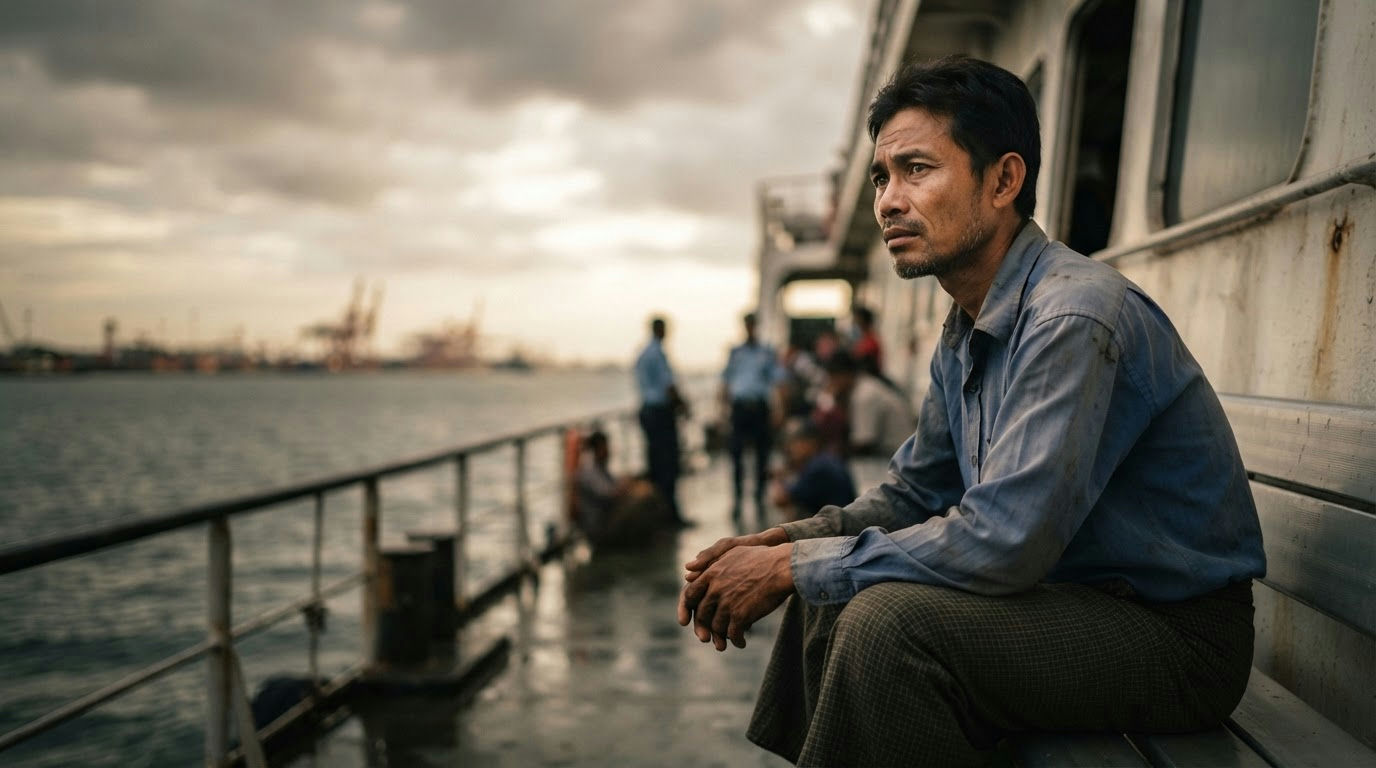
The logistics of the departure unfolded under tight security measures centered around Manjung town and the adjacent Lumut naval facility. Convoys of buses carrying the detainees arrived at a staging point near a local stadium before proceeding directly to the docks. There, the individuals were transferred aboard three Myanmar naval vessels, consisting of two warships and a specialized hospital ship dispatched to facilitate the sea crossing.
According to state media reports, the first cohort includes 1,370 adult men, 79 women, and 27 minors ranging from young children to teenagers. The overall ages of those departing spanned from 8 to 60 years old.
Malaysia’s Home Ministry confirmed that the operation had commenced following bilateral coordination to identify and document eligible individuals. Government data indicated that as of mid-August, more than 10,300 Myanmar nationals were being held in immigration detention depots across Malaysia. The ministry reiterated that those boarding the vessels had agreed to return of their own accord and that additional phases would take place only after verification procedures were completed.
International Alarms Over Human Rights Risks
The operation has renewed deep apprehension among humanitarian bodies and legal advocates. The United Nations High Commissioner for Refugees clarified that it had no involvement in the operation and advised against sending people back into an active conflict zone.
Rights groups argue that returning individuals to Myanmar violates the customary international principle of non-refoulement, which forbids returning people to places where their lives or freedom are in jeopardy. Ever since Myanmar's military seized power in a 2021 coup, the nation has been gripped by escalating civil warfare, economic paralysis, and severe crackdowns on dissent. Human rights monitors have raised concerns that detainees inside immigration holding cells lack access to legal counsel or impartial assessment, making it difficult to verify whether consent given inside detention facilities is genuinely voluntary and informed.
Advocacy organizations have frequently sought judicial intervention to pause mass repatriations to Myanmar, citing previous incidents where asylum seekers and vulnerable minors were placed on transport ships without adequate independent screening.
Malaysia’s Shifting Domestic Landscape
The repatriation program takes place against a backdrop of complex domestic policies and growing domestic strain within Malaysia. The Southeast Asian nation is host to roughly 215,600 registered refugees and asylum seekers, including approximately 126,000 Rohingya Muslims fleeing widespread persecution in Myanmar.
Yet, Malaysia is not a signatory to the 1951 UN Refugee Convention or its 1967 Protocol. Under domestic immigration law, refugees and asylum seekers are classified in the same legal category as undocumented migrants, leaving them vulnerable to arrest, detention, and deportation.
In recent years, domestic public sentiment has grown increasingly cautious toward large refugee populations. Lawmakers face mounting pressure regarding strains on public services, local labor markets, and border security. While authorities have regularly stated that verified Rohingya refugees are not targeted in standard deportation drives, the long-term presence of large numbers of undocumented workers has prompted the government to pursue bilateral return arrangements to ease pressure on crowded detention facilities.
Looking Ahead as Repatriations Expand
As the first naval convoy navigates the Malacca Strait toward Myanmar, the fate of the remaining detainees in Malaysia remains in sharp focus. Myanmar’s foreign authorities have maintained that they are working with regional partners to facilitate the orderly and dignified return of displaced citizens who have undergone formal verification.
The process continues to highlight the stark divide between regional governments attempting to manage migration challenges and global agencies tasked with safeguarding displaced populations. With thousands more Myanmar nationals scheduled for potential repatriation in subsequent phases, international observers continue to call for transparent verification procedures, urging authorities to prioritize civilian safety over rapid deportation timelines.