Malaysian Pilot Faces Death Penalty in Indonesia After Arrest for Alleged Drug Trafficking
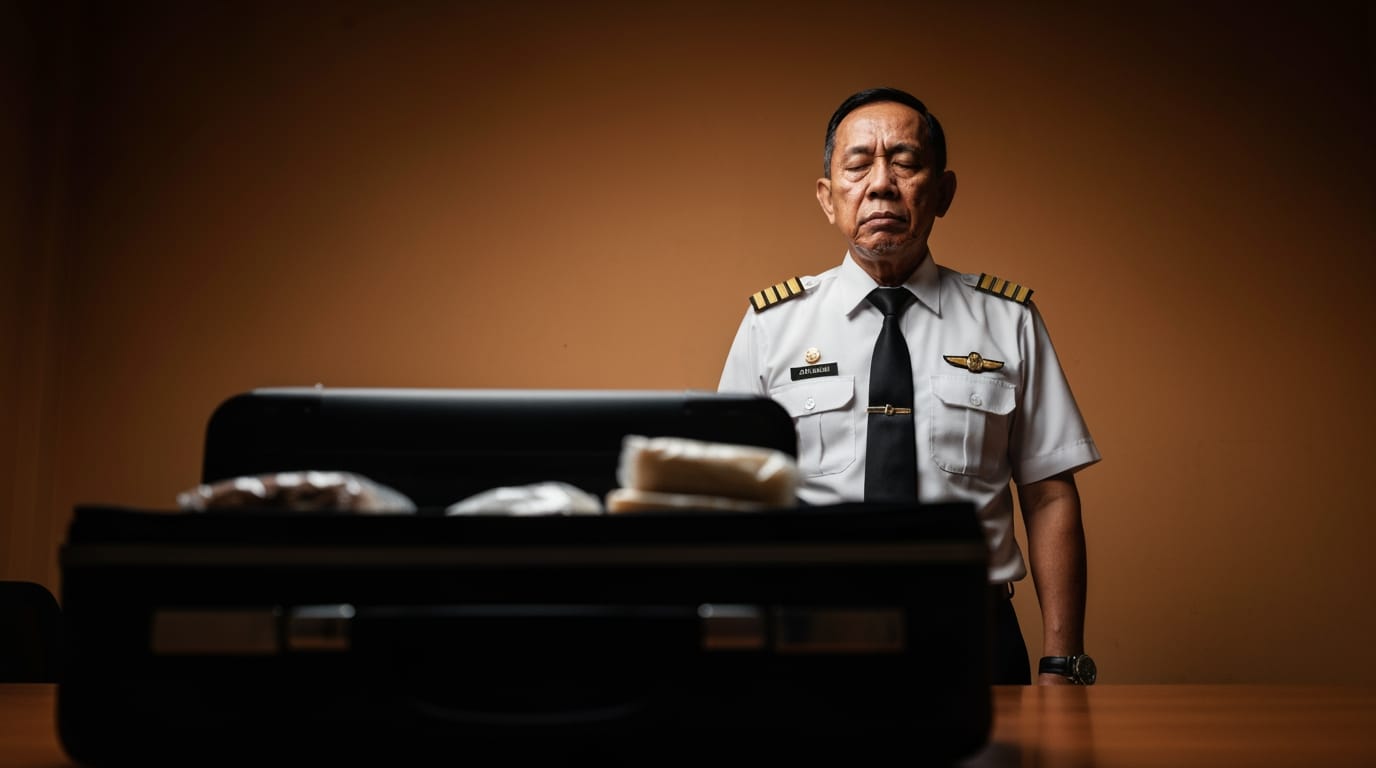
Jakarta, Indonesia – A Malaysian pilot is facing the prospect of the death penalty in Indonesia after being arrested at Jakarta's Soekarno-Hatta International Airport for allegedly attempting to smuggle a significant quantity of illicit drugs into the country. The 39-year-old, identified only by the initials MS or MSO, was apprehended on Wednesday, July 29, 2026, following the discovery of approximately 26 kilograms of MDMA (ecstasy) pills and several grams of methamphetamine in his luggage. The incident has sent ripples through the aviation industry and underscored Indonesia's exceptionally stringent anti-narcotics laws, which prescribe capital punishment for serious drug offenses.
The Shocking Discovery and Arrest
The arrest unfolded after customs officials at Soekarno-Hatta International Airport flagged a suspicious suitcase during an X-ray screening at the international arrivals terminal. The pilot had just completed a Malaysia Airlines flight (MH727) from Kuala Lumpur to Jakarta when he was intercepted. A subsequent search of his luggage revealed 14 packages containing more than 70,000 ecstasy pills, weighing a combined 25.19 to 26 kilograms. Additionally, 2.7 to 4 grams of methamphetamine were reportedly found in his hand luggage.
Authorities further revealed that a urine test conducted on the pilot returned positive results for cocaine, methamphetamine, and MDMA, indicating he was under the influence of these substances while operating the passenger flight. Customs officer Hengky Tomuan Parlindungan Aritonang emphasized the grave concern over a pilot flying under such conditions, stating, "What concerns all of us is that this person's profession is a pilot, and at the time he arrived, he had just flown that plane from Kuala Lumpur to Indonesia."
Alleged Role in an International Syndicate
Indonesian police suspect the pilot, whose full name has not been released, is not merely an isolated perpetrator but rather a part of a larger international drug trafficking network. Initial interrogations suggest he was acting as a drug courier, having been promised 50,000 Malaysian ringgit (approximately US$12,240) to transport the narcotics to Jakarta. Investigators also claim the pilot admitted this was not his first involvement in drug smuggling. According to police, he stated it was his third attempt, with two previous operations into Indonesia and one into Malaysia. These admissions, combined with the significant quantity of drugs involved and the pilot's professional capacity, reinforce authorities' belief in his integral role within a criminal syndicate.
Malaysia Airlines, the carrier the pilot flew for, has confirmed it is treating the allegations seriously and has launched an internal review into the matter. The airline affirmed its commitment to cooperating fully with Indonesian authorities, stating that it "does not tolerate any form of misconduct."
Indonesia's Unyielding Stance on Drug Trafficking
This arrest highlights Indonesia's notoriously strict drug laws, which are among the toughest globally. Under Law No. 35 of 2009 on Narcotics, individuals found guilty of drug trafficking, especially involving Class I narcotics like MDMA and methamphetamine in large quantities, face severe penalties, including life imprisonment or the death penalty. The country views drug abuse and trafficking as an "extraordinary crime" posing a significant threat to national security and public health.
While Indonesia has maintained an unofficial moratorium on executions for several years, with the last executions for drug offenses carried out in 2016, dozens of foreign nationals remain on death row for drug-related crimes. Recent cases have seen American and Kazakh nationals, among others, facing the death penalty for drug offenses in Bali. The prospect of capital punishment serves as a stark warning to those contemplating drug-related activities within Indonesian borders. A new Penal Code (KUHP), set to take effect in 2026, introduces a provision making the death penalty an alternative punishment, potentially commutable to life imprisonment after a ten-year probation period for "commendable behavior." However, it remains to be seen how this new code will apply to ongoing cases like the pilot's, which falls under the existing Narcotics Law.
Broader Implications and Ongoing Investigations
The incident raises critical questions about security protocols within the aviation industry and the tactics employed by international drug syndicates. The ability of an active pilot, a position of significant trust and responsibility, to allegedly smuggle such a large quantity of drugs and operate a commercial flight under the influence poses a serious risk to public safety and aviation security. Customs officials indicated that the pilot likely expected to bypass thorough checks via a special customs lane for flight crew, but standard monitoring procedures were applied to everyone.
Indonesian and Malaysian authorities are reportedly in close communication to investigate the matter further, aiming to identify other members of the alleged international trafficking syndicate. The ongoing investigation seeks to uncover the full extent of the pilot's involvement and dismantle the criminal network behind the operation. The outcome of this high-profile case is likely to be closely watched internationally, given the severe penalties involved and the implications for both aviation security and the global fight against drug trafficking.
The arrest of a Malaysian pilot for alleged drug trafficking in Indonesia is a stark reminder of the country's resolute stance against narcotics. It underscores the pervasive nature of international drug syndicates and their audacious attempts to exploit vulnerabilities, even within highly regulated sectors like aviation. As the legal proceedings unfold, the case will not only determine the fate of the pilot but also serve as a powerful testament to Indonesia's unwavering commitment to upholding its strict drug laws, potentially adding another name to the list of those facing the ultimate penalty for drug-related crimes.


