Malaysian Scrutiny Casts Shadow Over U.S. Rare Earths Deal Amid Israel-Gaza Conflict
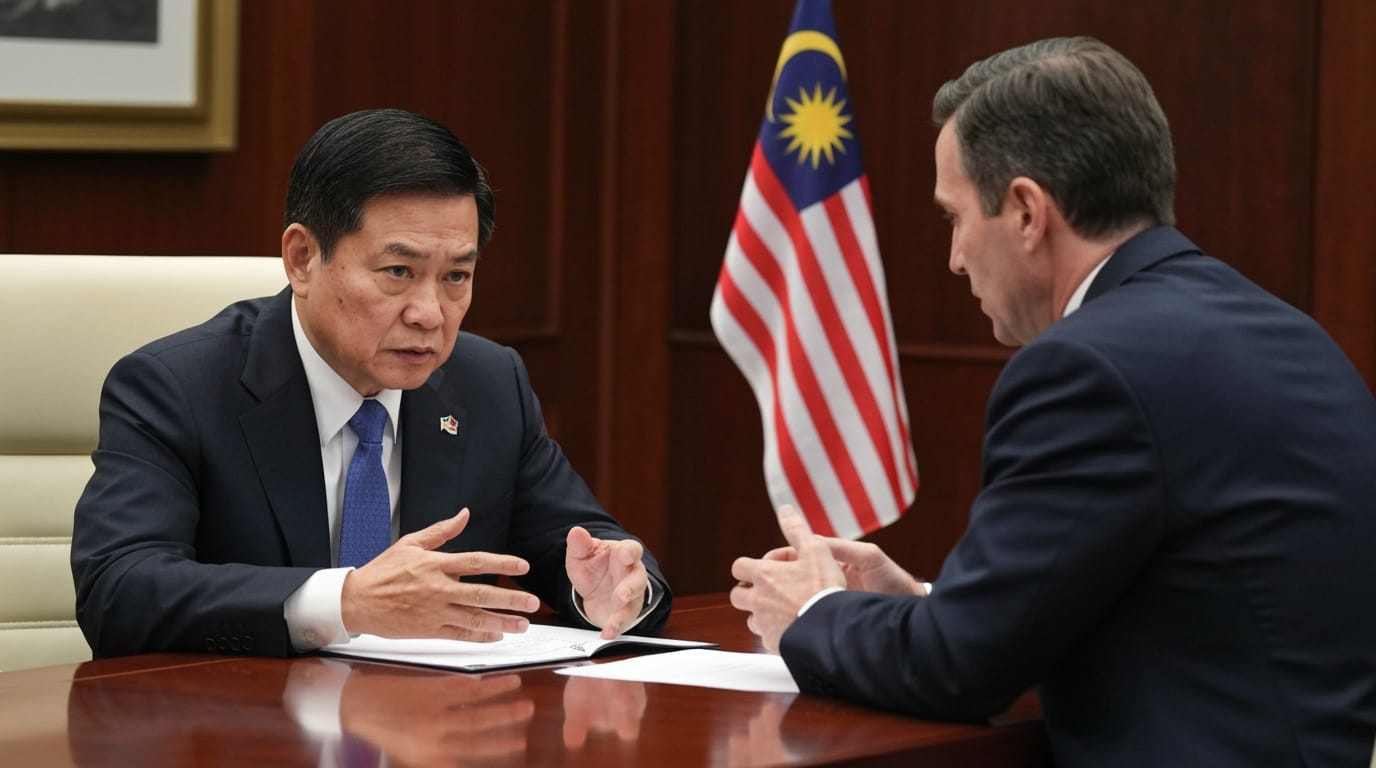
KUALA LUMPUR – A critical $96 million rare earth supply agreement between Australian miner Lynas Rare Earths and the U.S. Department of Defense is facing intense scrutiny in Malaysia, as lawmakers and civil society groups raise concerns that the deal could inadvertently bolster U.S. military support for Israel in the ongoing conflict in Gaza. The controversy highlights the delicate balance Malaysia navigates between its economic ambitions in the vital rare earth sector and its steadfast, long-standing commitment to the Palestinian cause.
The parliamentary special select committee on international relations and international trade convened a pivotal hearing on July 16 to delve into the implications of the four-year agreement. This review comes amid growing domestic pressure and calls for the Malaysian government to clarify its foreign policy stance as critical minerals processed within its borders become entangled in complex geopolitical dynamics.
The Pentagon's Strategic Play for Critical Minerals
The agreement, formalized in March, involves the Pentagon's acquisition of light and heavy rare earth oxide products from Lynas, a crucial move aimed at strengthening U.S. national security and bolstering supply chain resilience. Rare earth elements are indispensable components in modern technology, essential for everything from consumer electronics and electric vehicles to renewable energy systems, radar equipment, and precision-guided defense systems. The United States has openly identified rare earths as a national security priority, seeking to diminish its reliance on foreign processing capabilities, particularly those centered in China.
Lynas Rare Earths operates the world's largest rare earth processing facilities outside of China, located in Gebeng, Pahang, Malaysia. The company's Malaysian facility has expanded its production to include elements like separated dysprosium, a heavy rare earth used in advanced defense technologies. This partnership aligns with a broader October 2025 agreement between Malaysia and the U.S. to foster cooperation and investment in rare earth exploration, extraction, refining, manufacturing, and recycling. Under that prior agreement, Malaysia committed to facilitating collaboration with U.S. companies and pledged not to impose restrictions on the export of critical minerals or rare earth magnets to the U.S..
Malaysian Principles Meet Global Geopolitics
The current parliamentary review was triggered by concerns that materials supplied to the U.S. defense industry via Lynas could indirectly support American military operations that back Israel. Muslim-majority Malaysia has historically been a staunch supporter of the Palestinian cause and maintains no diplomatic ties with Israel. This deep-seated solidarity has fueled significant domestic opposition to any perceived involvement in activities that could be seen as contrary to its foreign policy principles.
More than 20 Malaysian civil society organizations, including Greenpeace Malaysia, have publicly urged for enhanced oversight of the country's rare earth supply chain. These groups, alongside pro-Palestine advocates, argue that the agreement with the Pentagon challenges Malaysia's non-aligned foreign policy and its moral commitments. They have called for restrictions on Lynas's exports if the materials are found to be used in ways that contradict Malaysia's principles. The argument posits that while Malaysia supports rare earth exports, it should not supply countries that use these materials for "illegal military operations".
Parliamentary Probe and Policy Recommendations
Chaired by MP Wong Chen, the parliamentary special select committee on international relations and international trade convened on July 16 to meticulously assess the potential impact of the supply agreement. During the hearing, the committee received testimony from various stakeholders, including government officials, non-governmental organizations, and representatives from Lynas Rare Earths.
The committee's primary objective was to determine whether the four-year agreement aligns with Malaysia's domestic policies and to address concerns regarding the country's reputation as a firm supporter of Palestine. Following its deliberations, the committee issued several key recommendations. It urged the government to formulate a clearer foreign investment policy specifically for strategic minerals, ensuring the protection of Malaysia's national interests and sovereignty. Furthermore, the committee called for the government to issue an official position on the matter within two weeks, signaling the urgency with which it views the situation.
Navigating a Complex Future
The ongoing scrutiny of the Lynas-Pentagon deal underscores the intricate challenges nations face when their economic imperatives intersect with deeply held geopolitical and ethical stances. For Malaysia, the situation represents a critical test of its ability to balance its desire for foreign investment and its role in global supply chains against its fundamental foreign policy principles.
The government's forthcoming official statement will be closely watched, both domestically and internationally. It will not only shape the future of significant rare earth investments in Malaysia but also potentially influence how other nations with similar geopolitical sensitivities engage in critical mineral partnerships. The decision will have far-reaching implications for Malaysia's economic development, its international standing, and the global rare earth supply chain.


