Manipur Grapples with Elusive Peace Amidst Ethnic Strife
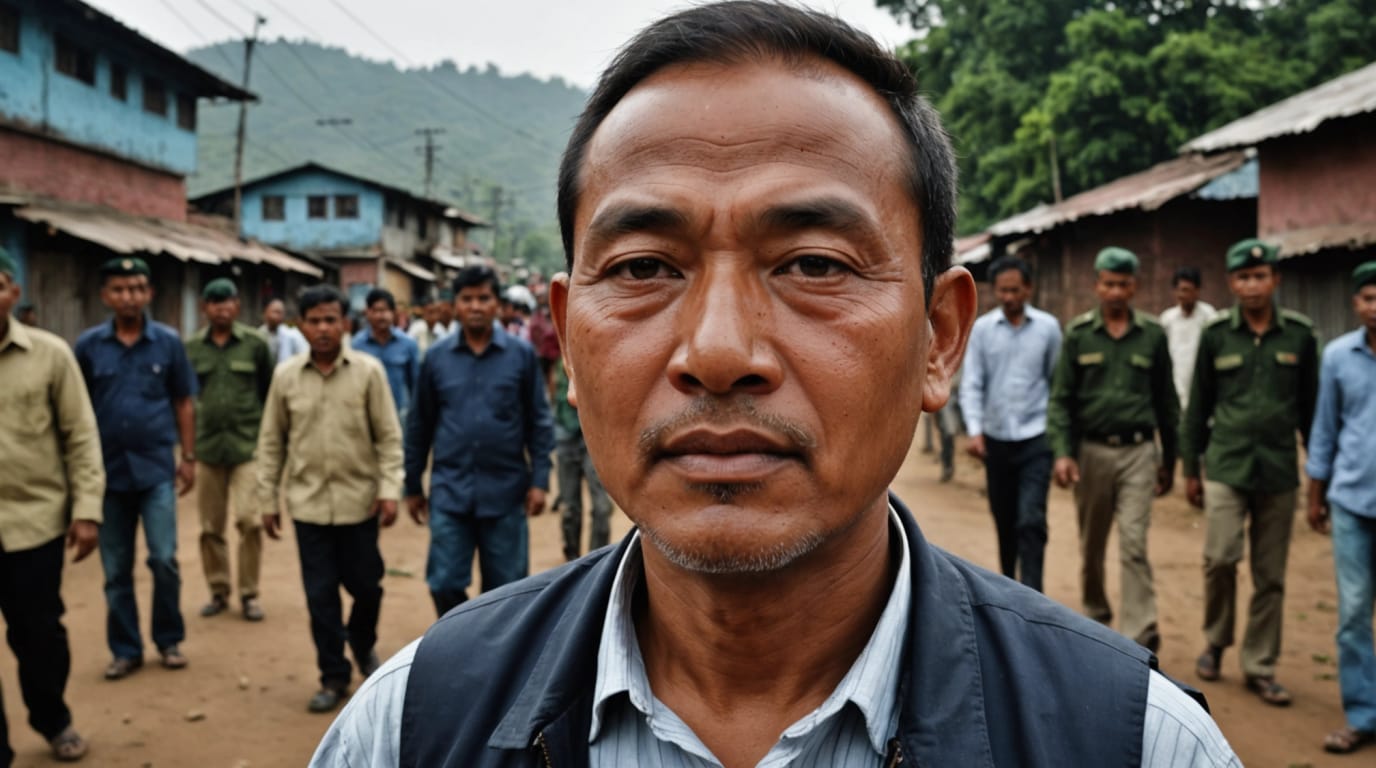
Manipur, a northeastern Indian state known as the "Land of Jewels," remains deeply fractured nearly two years after violent clashes erupted between the Meitei and Kuki-Zo communities. The conflict, rooted in historical tensions and competition over resources and tribal rights, has claimed over 260 lives and displaced more than 60,000 people, leaving a legacy of polarization and mistrust that hinders any path toward lasting peace.
A History of Division
The roots of the Manipur conflict are complex and multifaceted, stretching back centuries. Historical ethnic tensions between the Meitei, who primarily reside in the Imphal Valley, and the Kuki-Zo tribal communities in the surrounding hills have long simmered, fueled by competition for political representation, resources, and cultural recognition. Colonial policies exacerbated these divisions, and post-independence, a failure to foster understanding between communities has allowed these fault lines to be weaponized.
The present conflict can be traced to several key factors. One significant trigger was a Manipur High Court order in April 2023 seemingly recommending Scheduled Tribe status for the Meitei community, a decision that was later criticized by the Supreme Court. This sparked fears among tribal communities, particularly the Kukis, that granting ST status to the Meiteis would lead to a loss of job opportunities and allow them to acquire land in the hills, thus marginalizing indigenous populations.
Adding to the complexity, Manipur shares a long and porous border with Myanmar, which has become a conduit for illegal migration, drug trafficking, and the proliferation of armed groups. The influx of Chin refugees from Myanmar, fleeing civil war, has further strained resources and fueled rumors that they are receiving assistance from Kuki villagers, heightening tensions.
The Spark and Escalation of Violence
The immediate trigger for the recent surge in violence was a protest rally organized by the All Tribal Student Union Manipur (ATSUM) on May 3, 2023, against the High Court order regarding ST status for Meiteis. Clashes erupted between Kuki and Meitei groups near the border of Churachandpur and Bishnupur districts, quickly escalating into widespread arson, destruction, and targeted attacks on homes and religious sites.
The state government's response, characterized by military curfews, internet suspensions, and shoot-on-sight orders, mirrored strategies previously employed during unrest in other regions. While these measures aimed to quell the violence, they also fueled resentment and a sense of alienation among certain communities.
The violence has resulted in a deeply polarized society, with the police and media often divided along ethnic lines. Trust in the state government, previously perceived as pro-Meitei, has eroded, leading to calls for separate administration and further complicating efforts to find common ground.
Challenges to Peace
Several factors continue to impede the path to permanent peace in Manipur.
- Proliferation of Arms: The conflict has led to a dangerous proliferation of weapons, with both communities arming themselves, some with licensed guns and others with advanced weapons smuggled from Myanmar and Bangladesh. Security officials estimate that thousands of looted weapons and rounds of ammunition remain unaccounted for, posing a significant threat to future stability.
- Deep-Seated Mistrust: Decades of ethnic tensions and the recent violence have created deep-seated mistrust between the Meitei and Kuki-Zo communities. Competing narratives, claims of marginalization, and historical grievances fuel animosity and make reconciliation difficult.
- Insurgent Groups: The presence of numerous insurgent groups, representing various ethnic communities, further complicates the situation. These groups often have their own agendas and overlapping goals, contributing to a "war within a war" and hindering efforts to establish lasting peace.
- Economic Interests: Economic interests, including the illicit drug trade and potential exploitation of natural resources, add another layer of complexity to the conflict. These interests can exacerbate tensions and create opportunities for exploitation by powerful actors.
- External Factors: The ongoing instability and civil war in Myanmar continue to pose a threat to Manipur, with the potential for further refugee influxes and cross-border movement of arms and militants.
Government Initiatives and the Path Forward
In response to the ongoing crisis, both the central and state governments have undertaken various initiatives to restore peace and stability. These include:
- Security Measures: Deployment of security forces, imposition of curfews, and suspension of internet services to control violence and maintain order.
- Peace Talks: Attempts to initiate dialogue between different communities and stakeholders to address grievances and find common ground.
- Rehabilitation Efforts: Providing relief and rehabilitation to displaced persons, including establishing relief camps and providing financial assistance.
- Border Security: Enhancing border security measures to prevent illegal migration, drug trafficking, and the movement of arms and militants.
- Development Initiatives: Intensifying developmental activities and welfare measures to address socio-economic disparities and promote inclusive growth.
However, these efforts have faced numerous challenges, including a lack of trust, political polarization, and the continued presence of armed groups.
Achieving permanent peace in Manipur requires a multi-pronged approach that addresses the root causes of the conflict, promotes reconciliation, and ensures inclusive governance. Key steps include:
- Addressing Historical Grievances: Acknowledging and addressing the historical grievances and claims of marginalization of different communities.
- Promoting Inter-Community Dialogue: Facilitating meaningful dialogue and trust-building initiatives between the Meitei and Kuki-Zo communities.
- Disarmament and Rehabilitation: Implementing effective disarmament programs and providing rehabilitation opportunities for members of armed groups.
- Strengthening Governance: Ensuring inclusive governance, equitable resource distribution, and protection of the rights of all communities.
- Economic Development: Promoting sustainable economic development and creating opportunities for all communities, particularly in the hill areas.
- Regional Cooperation: Strengthening cooperation with neighboring countries, particularly Myanmar, to address cross-border issues such as illegal migration, drug trafficking, and arms smuggling.
A Long and Arduous Journey
The path to permanent peace in Manipur is likely to be long and arduous, requiring sustained commitment, political will, and the active participation of all stakeholders. While recent initiatives by the government offer a glimmer of hope, lasting peace can only be achieved through justice, inclusion, and meaningful engagement with affected communities. The future of Manipur hinges on the ability of its people to overcome historical divisions, build trust, and forge a shared vision for a peaceful and prosperous future.


