Maradona's 'High-Risk' Status and Contentious Home Care Under Scrutiny in Negligence Trial
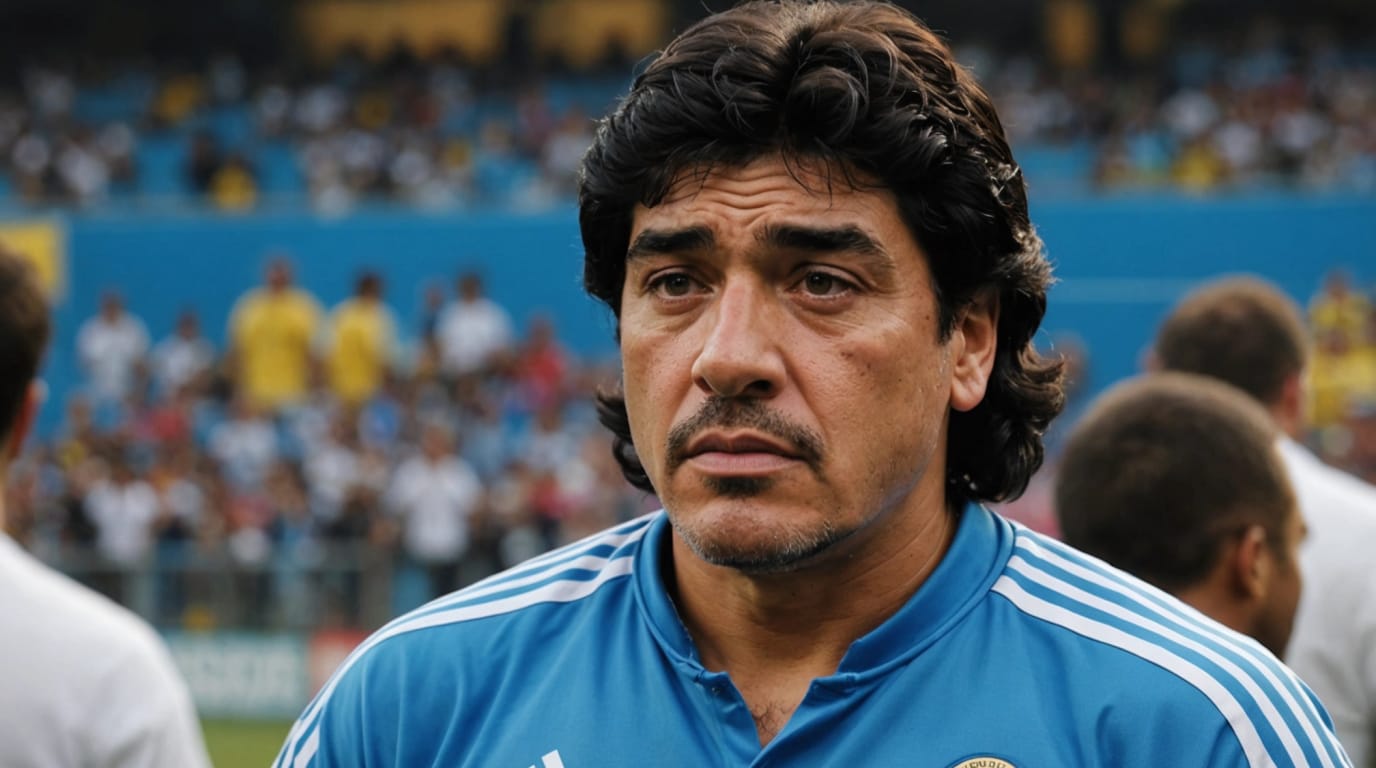
The trial surrounding the death of Argentine football legend Diego Maradona has taken a turn as medical professionals testify to his fragile state and the debated decision to administer home care in his final days. The court is hearing arguments about whether negligence played a role in the iconic player's demise, focusing on the suitability of his post-operative care.
Cardiologist Highlights Maradona's Vulnerability
Sebastián Nani, head of cardiology at the Olivos Clinic, testified Thursday that Maradona was considered a "high-risk patient" who was experiencing withdrawal symptoms and required significant care. Nani stated that the clinic's authorities recommended Maradona recover in a rehabilitation clinic rather than a private home after undergoing surgery for a hematoma between his skull and brain. This recommendation, according to Nani, was not followed.
Maradona, who captained Argentina to victory in the 1986 World Cup, died on Nov. 25, 2020, at the age of 60. His death occurred while he was receiving home care in Tigre, on the outskirts of Buenos Aires, just days after the surgery.
Disagreement Over Care Protocol
Nani highlighted a difference of opinion between the hospital authorities and two of the accused: neurosurgeon Leopoldo Luque, who was Maradona's personal physician for the last four years of his life, and psychiatrist Agustina Cosachov, who prescribed medication for Maradona until his death. Luque and Cosachov advocated for continued hospitalization in a private home, a decision now under intense scrutiny. The cardiologist asserted that outside the clinic, "Maradona's responsibility rested 100% with Luque."
The prosecution is using the alleged deficiencies in Maradona's home care as key evidence against the seven healthcare professionals on trial. These professionals face charges of negligent homicide.
Prior Health Issues and Lifestyle
Maradona's health had been a concern for years. In early November 2020, prior to his surgery, he was admitted to a hospital in La Plata for medical checks. At the time, his personal doctor, Leopoldo Luque, stated that it was not an emergency but that Maradona would undergo a series of checkups. Luque described Maradona as "an elderly patient with many pressures in his life" and acknowledged the difficulty of "being Maradona."
Luque also mentioned that Maradona had difficulty retaining iron due to gastric bypass surgery he underwent in 2005 to lose weight, making him prone to anemia. Although he had recovered from a well-documented addiction to hard drugs, Maradona was taking medication in the form of tranquilizers and anxiolytics.
Questions Raised by Family Members
Adding to the controversy, Maradona's ex-wife and another doctor questioned the decision to send him home instead of to a rehabilitation center. These concerns echo the cardiologist's recent testimony and further highlight the debate surrounding the appropriateness of Maradona's care in his final days.
Gianinna Maradona, Diego Maradona's daughter, and her mother Claudia Villafane have been present at the trial, underscoring the family's pursuit of answers and accountability.
Trial Continues Amidst Public Interest
The trial has drawn significant attention in Argentina and around the world, reflecting Maradona's enduring legacy and the public's desire for clarity regarding the circumstances of his death. The testimonies and evidence presented will likely continue to fuel debate and scrutiny as the court seeks to determine whether negligence contributed to the passing of one of football's greatest icons. The trial is ongoing, and further details are expected to emerge as more witnesses are called and evidence is presented.


