Mark Carney Sworn In as Canada's 24th Prime Minister
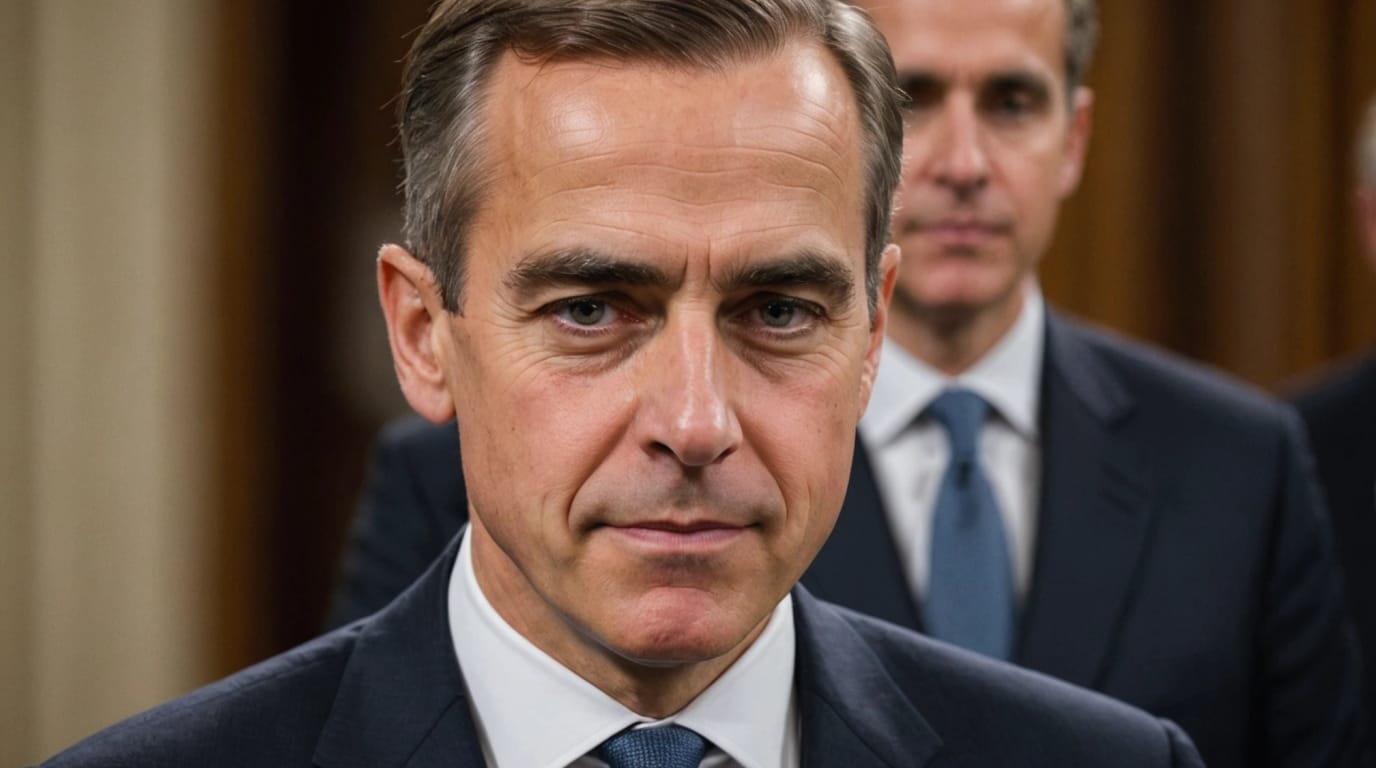
OTTAWA (March 14) – Mark Carney was sworn in as Canada's 24th prime minister today, marking the end of Justin Trudeau's tenure of over nine years. The former governor of both the Bank of Canada and the Bank of England assumed office after winning the Liberal Party leadership on Sunday. The swearing-in ceremony took place at Rideau Hall, with Governor General Mary Simon presiding.
A New Chapter for Canada
Carney's ascent to the Prime Minister's Office signals a significant shift in Canadian politics. His background in finance and economics sets him apart from his predecessor, suggesting a potential change in policy direction. He brings a wealth of international experience to the role, having navigated complex financial landscapes on a global scale.
Streamlined Cabinet Unveiled
In a move that underscores his commitment to efficiency, Carney unveiled a significantly smaller cabinet consisting of 23 ministers. This contrasts sharply with Trudeau's 39-member cabinet. The new Prime Minister emphasized that the streamlined structure would allow for a more focused and agile government. Some key ministers, particularly those dealing with relations with the United States, will remain in their current roles to ensure continuity. David McGuinty will continue as Public Safety Minister, and Melanie Joly will stay on as Foreign Affairs Minister. Dominic LeBlanc will retain his position as Minister of Intergovernmental Affairs and will also take on the portfolio of Minister of International Trade. Francois-Philippe Champagne has been appointed as the new Finance Minister.
Immediate Priorities
Speaking to reporters before the swearing-in ceremony, Carney stated, "We're going to get straight to work. We're a very focused government. We're focused on action." While he did not elaborate on specific policy initiatives, his emphasis on action suggests a desire to quickly address pressing issues facing the country. Carney, who is not currently a member of Parliament, is expected to seek a seat in the House of Commons soon. Speculation is rife that he may call a snap election to secure a mandate for his leadership.
Trudeau's Farewell
Justin Trudeau officially tendered his resignation to Governor General Mary Simon earlier today, marking the end of his leadership. In a farewell message, Trudeau thanked Canadians for the opportunity to serve and highlighted the accomplishments of his government over the past nine years. His departure marks the end of a significant era in Canadian politics, characterized by progressive social policies and a focus on international cooperation.
Implications and Challenges Ahead
Carney's leadership comes at a critical time for Canada, with the nation facing economic uncertainties, climate change challenges, and evolving geopolitical dynamics. His experience in navigating financial crises and his understanding of global markets could prove valuable in addressing these challenges. However, he will also need to bridge political divides and build consensus to effectively govern a diverse and complex nation. His decision to appoint a smaller cabinet signals a desire for efficiency and decisiveness, but it also raises questions about representation and inclusivity. As Carney embarks on his premiership, all eyes will be on his ability to deliver on his promise of action and to steer Canada towards a prosperous and sustainable future.


