Mass Protests Erupt in Greece on Anniversary of Deadly Train Crash
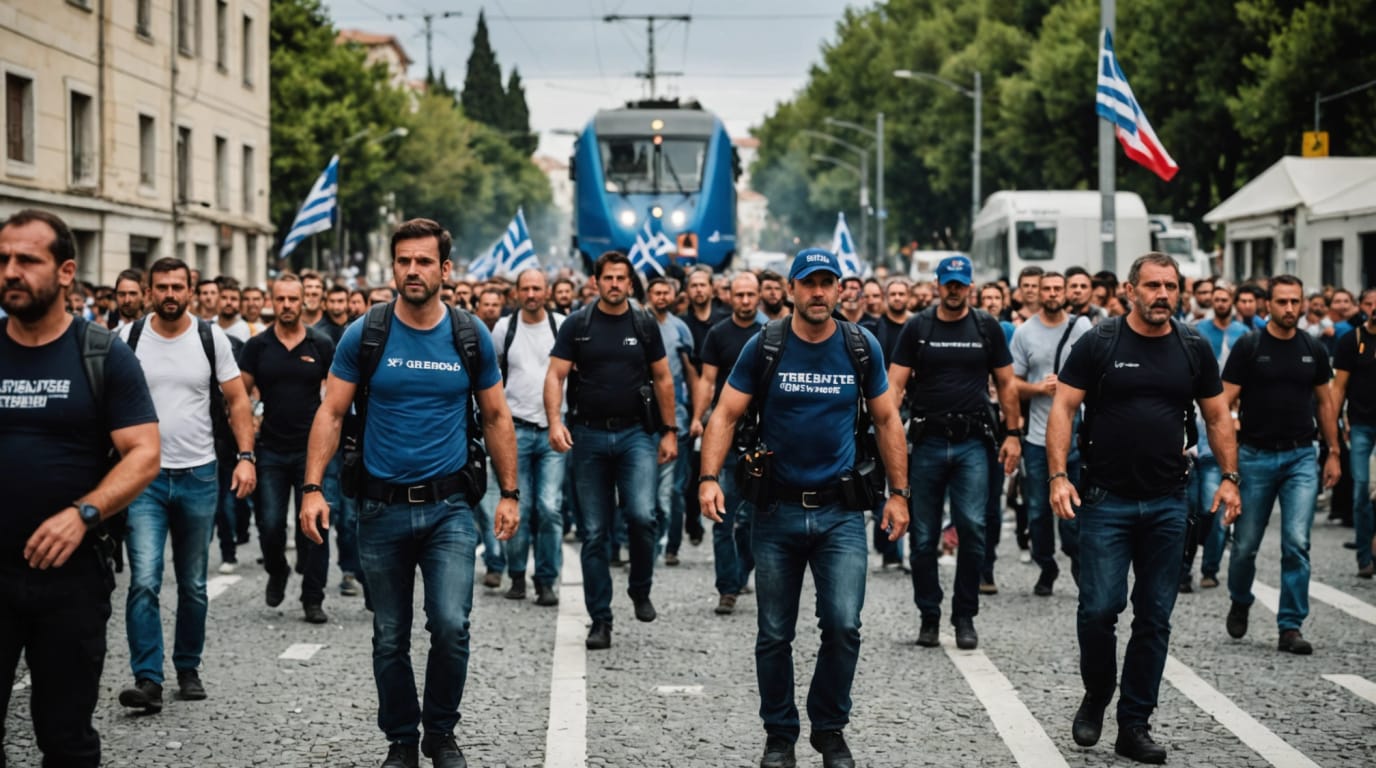
ATHENS, Greece – Hundreds of thousands of people across Greece participated in mass protests and a general strike on Friday, marking the second anniversary of the Tempi train crash that killed 57 people, mostly students. The tragedy has become a symbol of widespread institutional failures, fueling public anger and mounting pressure on the government of Prime Minister Kyriakos Mitsotakis.
Nationwide Strike Paralyzes the Country
The 24-hour general strike brought the country to a standstill. Public services, banks, and businesses shuttered, while transportation networks faced severe disruptions. Flights were grounded, trains were halted, and ferries remained docked as air traffic controllers, seafarers, and train drivers joined teachers, lawyers, and doctors in the widespread work stoppage. This level of disruption had not been seen since the country's financial crisis in the years following 2009.
Public Outrage and Demands for Accountability
Rallies took place nationwide, with tens of thousands gathering in Syntagma Square in central Athens. Protesters, closely monitored by police in riot gear, held banners with slogans such as "Government of murderers," reflecting the deep-seated anger and distrust towards the government. The protests, largely led by relatives of the victims, were fueled by a perception of government inaction and a lack of accountability for the disaster. Critics argue that high-ranking officials should be held responsible for the systemic failures that led to the crash, but so far, only rail officials have faced charges.
The Tempi Train Crash: A National Tragedy
On February 28, 2023, a passenger train carrying mostly students collided head-on with a freight train near the Tempe gorge in central Greece. The impact killed 57 people and injured dozens more, exposing severe deficiencies in the nation's transport infrastructure. Many of the victims were young people returning to universities in Thessaloniki after a long weekend. The accident has become a potent symbol of state incompetence and a lack of accountability in the eyes of many Greeks.
Investigation and Allegations of a Cover-Up
An independent accident report released on Thursday revealed a history of chronic equipment failures and human errors within the Greek railway system. The report concluded that the crash was a result of human error, poor maintenance, and inadequate staffing. However, public skepticism remains high, with many believing that the government is attempting to cover up the true causes of the disaster. Fresh allegations have surfaced, claiming that the freight train involved in the collision was carrying illegal, highly flammable cargo, which contributed to the intensity of the fire that followed the crash. The government has denied any wrongdoing, maintaining that the crash was primarily due to human error and an outdated railway system.
International Solidarity and Continued Protests
The protests extended beyond Greece, with demonstrations held at over 100 Greek embassies and consulates across six continents. Major international rallies took place in cities such as Berlin, London, New York, and Sydney, demonstrating global solidarity with the victims and their families. The Association of Relatives of Tempi Victims, which organized the protests, has vowed to continue their fight for justice and accountability.
A Turning Point for Greece?
The Tempi train crash and the subsequent mass protests have exposed deep-seated issues within Greek society, including concerns about government transparency, institutional accountability, and the safety of public infrastructure. The tragedy has become a catalyst for widespread social and political change, with many Greeks demanding a more just and equitable society. The government faces mounting pressure to address these concerns and restore public trust. The coming months will be critical in determining whether the Tempi train crash will serve as a turning point for Greece, leading to meaningful reforms and a renewed commitment to public safety and accountability.


