Massive KitKat Heist: 12 Tons of Chocolate Vanish in European Transit
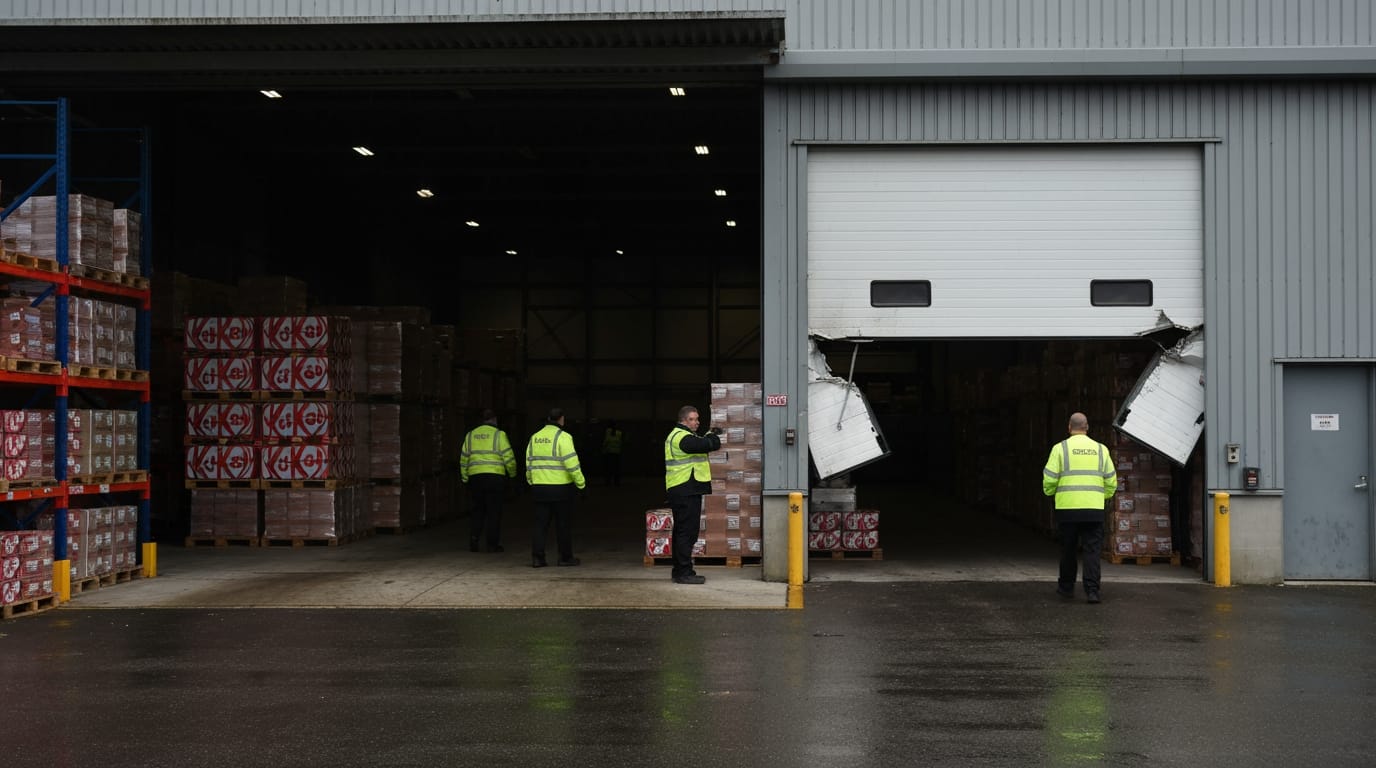
GENEVA – A colossal shipment of KitKat chocolate bars, totaling approximately 12 tons, has been stolen from a truck en route across Europe, Swiss food giant Nestlé confirmed this week. The audacious theft, which saw more than 400,000 units of the popular confectionery disappear, has prompted an immediate investigation and raised concerns about a potential shortage of the chocolate bars as the Easter holiday approaches. The incident underscores a growing trend of sophisticated cargo thefts plaguing businesses across the continent.
The Disappearance of a Sweet Payload
The confectionery caper unfolded sometime last week when a truck laden with 413,793 KitKat candy bars departed a production site in Central Italy. Its intended destination was Poland, a route estimated to span between 1,250 and 1,350 kilometers, with distribution planned throughout various European markets. However, the vehicle and its substantial chocolate cargo never reached their destination and remain unaccounted for. Nestlé, the parent company of KitKat, issued a statement on Friday, March 28, confirming the disappearance and indicating that "the vehicle and its load are still nowhere to be found."
The scale of the theft is considerable, with 12 tonnes of product representing a significant logistical and financial loss. While Nestlé has not disclosed the precise monetary value of the stolen goods, the sheer volume suggests a substantial commercial impact. Investigations are currently underway, conducted in close collaboration with local authorities and various supply chain partners, to trace the missing shipment and apprehend those responsible.
Tracing the Missing Bars and Market Implications
In response to the theft, Nestlé has initiated measures to mitigate potential fallout and track the stolen products. The company warned that the missing KitKat bars could potentially infiltrate unofficial sales channels across European markets. To counter this, Nestlé highlighted that all products can be traced using unique batch codes assigned to individual bars. A spokesperson for KitKat stated that consumers, retailers, and wholesalers would be able to identify if a product is part of the stolen shipment by scanning these on-pack batch numbers. Should a match be found, the scanner will provide clear instructions on how to alert the company, which will then appropriately share the evidence with law enforcement. Consumers are advised against attempting to locate or recover any stolen goods themselves, instead urged to report findings to KitKat or local authorities.
The timing of the theft also presents a particular challenge, as it occurred just weeks before Easter, a period of heightened demand for chocolate products. KitKat acknowledged that this "theft may lead to a shortage of KitKats appearing on shelf," admitting that "consumers, unfortunately, may struggle to find their favorite chocolates ahead of Easter." While Nestlé reassures the public that there is no inherent risk associated with the product itself, the disruption to the supply chain is evident.
Escalating Threat of Cargo Theft Across Europe
Beyond the immediate loss of chocolate, the incident sheds light on a broader and increasingly sophisticated issue: cargo theft. Nestlé and KitKat spokespeople used the opportunity to underscore that "cargo theft is an escalating issue for businesses of all sizes." They noted that "more sophisticated schemes are being deployed on a regular basis," and that the company chose to publicize its own experience "in the hope that it raises awareness of an increasingly common criminal trend."
This particular theft follows a recent joint report by the International Union of Marine Insurance (IUMI) and the Transported Asset Protection Association (TAPA) EMEA. This report outlined an alarming rise in cargo theft and freight fraud, indicating that criminal organizations are employing more advanced methods of deception. The disappearance of an entire truckload of confectionery illustrates the evolving nature of these crimes, moving beyond petty pilfering to well-orchestrated operations targeting high-value goods in transit across international borders. The vast network of European distribution offers both efficiency for legitimate businesses and opportunities for organized criminal groups.
A Wake-Up Call for Supply Chain Security
The theft of 12 tons of KitKat bars serves as a stark reminder of the vulnerabilities within global supply chains and the persistent threat of cargo crime. While humor might be found in the idea of a "chocolaty heist," the ramifications for manufacturers, retailers, and ultimately, consumers, are serious. The incident highlights the need for robust security measures, enhanced cooperation between law enforcement agencies across borders, and greater vigilance within the logistics sector.
As investigations continue, the confectionery world watches to see if the missing KitKats will resurface in legitimate or illicit channels. The focus remains on recovering the stolen goods and bringing those responsible to justice, while also prompting a wider reevaluation of transport security protocols. For now, the hunt for the missing chocolate continues, leaving a potential void on store shelves and raising questions about the security of goods moving through Europe.


