Massive Protests Erupt in Turkey as Istanbul Mayor Imamoglu Faces Court
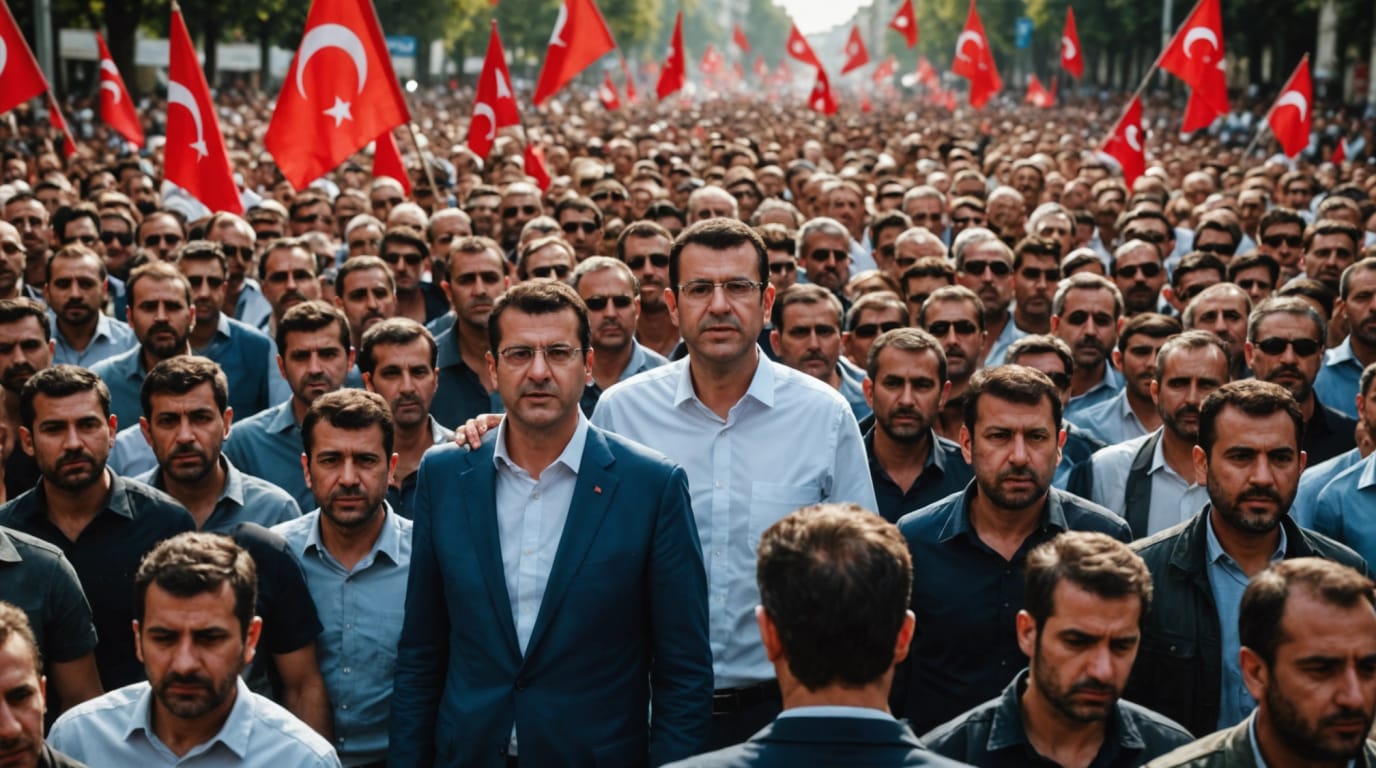
ISTANBUL — Turkey is gripped by widespread protests following the arrest and court appearance of Istanbul Mayor Ekrem Imamoglu, a prominent opposition figure and potential challenger to President Recep Tayyip Erdogan. The demonstrations, which began Wednesday, have spread to over 55 of Turkey's 81 provinces, marking some of the largest street protests the country has seen in over a decade. The unrest underscores escalating tensions between the government and its critics, raising concerns about the state of democracy in Turkey.
Imamoglu's Arrest and Allegations
Ekrem Imamoglu was arrested Wednesday as part of investigations into alleged corruption and terror links. Prosecutors issued warrants for Imamoglu and approximately 100 other individuals, according to the state-run Anadolu Agency. The charges against Imamoglu include extortion, money laundering, and irregularities concerning tenders and procurements. Imamoglu vehemently denies these allegations, calling them "immoral and baseless." His supporters view the arrest as a politically motivated attempt to sideline a popular politician ahead of the Republican People's Party (CHP) primary, where he was expected to be formally nominated as the party's presidential candidate for the 2028 election.
Nationwide Protests and Crackdown
The arrest of Imamoglu has triggered a massive outpouring of public anger. Demonstrators have taken to the streets in Istanbul and other major cities, defying bans on public gatherings. The protests have been met with a heavy-handed response from Turkish authorities. Police have used tear gas, rubber bullets, pepper spray, and water cannons to disperse crowds. As of Friday, the interior ministry reported that 343 people had been arrested in connection with the protests. There have also been reports of police deliberately targeting journalists covering the events, with allegations of beatings, rubber bullet injuries, and equipment damage.
Restrictions on Social Media and Freedom of Expression
In addition to the physical crackdown on protests, the Turkish government has also restricted access to social media platforms, including X, YouTube, Facebook, and Instagram. This move has been criticized as an attempt to stifle dissent and control the flow of information. Authorities have also issued detention warrants for individuals accused of posting "provocative" calls to protest and create public "panic" on social media. These actions have raised concerns about the erosion of freedom of expression and the increasing use of censorship in Turkey.
Political Implications and Opposition Response
Imamoglu's arrest and the subsequent crackdown have significant political implications. The CHP, Turkey's main opposition party, has condemned the actions as a "coup attempt" and vowed to press ahead with its primary to formally nominate Imamoglu as their presidential candidate. Other opposition parties, including the pro-Kurdish Peoples' Equality and Democracy Party, have also denounced the detentions and called for the immediate release of all those taken into custody. The events have further polarized Turkish society and deepened divisions between the government and its opponents.
International Condemnation and Concerns
The arrest of Ekrem Imamoglu and the suppression of protests have drawn international condemnation. Human rights organizations and international observers have expressed concerns about the erosion of democracy and the rule of law in Turkey. Reporters Without Borders has denounced the "heavy-handed and completely arbitrary" violence against journalists and demanded that those responsible be "severely punished." The international community is closely monitoring the situation, with many calling on the Turkish government to respect freedom of expression and assembly.
A Nation Divided
The ongoing crisis surrounding Ekrem Imamoglu highlights the deep divisions within Turkish society. While the government insists that the investigations are independent and not politically motivated, critics see them as part of a broader crackdown on dissent and opposition. The protests, the crackdown, and the restrictions on freedom of expression have created a climate of fear and uncertainty. The future of Turkish democracy hangs in the balance as the country navigates this turbulent period. The outcome of Imamoglu's case and the government's response to the protests will have far-reaching consequences for Turkey's political landscape and its relationship with the international community.


