Mediterranean Sharks Face Extinction Amidst Pervasive "Legal Void"
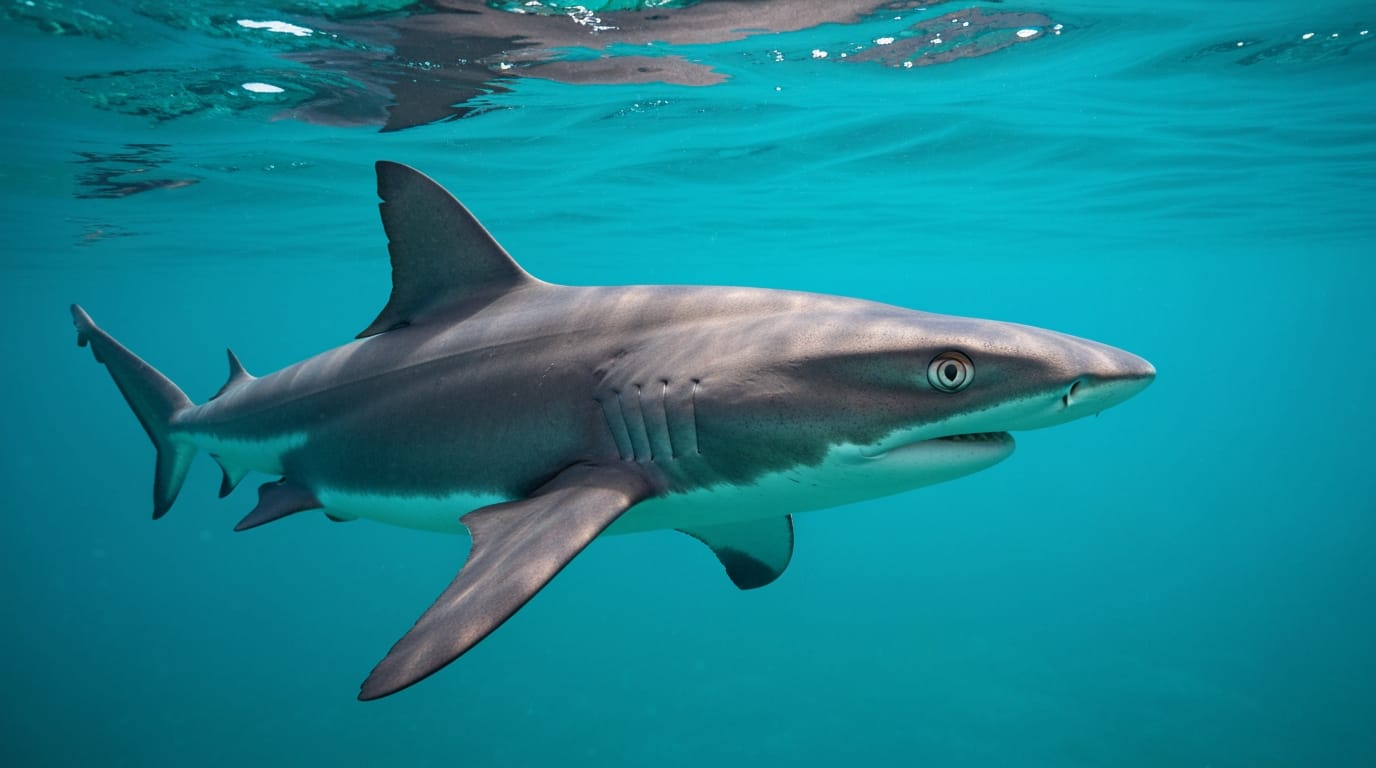
The azure waters of the Mediterranean, once teeming with diverse marine life, are rapidly losing their most ancient predators: sharks. A recent confluence of scientific studies paints a grim picture, revealing that over half of the region's shark and ray species are now threatened with extinction, with some populations plummeting by as much as 97% over the past two centuries. This catastrophic decline is largely attributed to a complex web of factors, including rampant overfishing and illegal practices, all exacerbated by a fractured and inadequately enforced legal framework that environmentalists and researchers increasingly refer to as a "legal void."
The Alarming Collapse of an Ancient Lineage
The Mediterranean Sea, a biodiversity hotspot for cartilaginous fish, is home to more than 80 species of sharks and rays. However, this critical marine ecosystem is witnessing an unprecedented crisis for these keystone species. An FAO study highlighted that shark populations in the Mediterranean have dramatically decreased by over 97% in both number and "catch weight" over the last 200 years, risking extinction if current fishing pressures persist. The International Union for Conservation of Nature (IUCN) assesses approximately 46% of sharks and related species in the Mediterranean as threatened, with 13% critically endangered, 11% endangered, and 13% vulnerable. Alarmingly, some species, such as sawfishes (Pristis spp.) and the common or gray skate (Dipturus batis), may already be locally extinct. Large predatory sharks, including hammerheads (Sphyrna spp.), blue (Prionace glauca), shortfin mako (Isurus oxyrinchus), porbeagle (Lamna nasus), and thresher sharks (Alopias vulpinus), have seen their numbers fall by 96-99.99% relative to their historical abundances. Even the iconic great white shark (Carcharodon carcharias), classified as Critically Endangered in the Mediterranean, faces severe risk, with research indicating dozens are still being illegally caught and sold annually.
The Illusion of Protection: A Flawed Legal Landscape
Despite the existence of a multitude of protective measures, the Mediterranean's sharks continue to disappear, primarily due to a pervasive "legal void" characterized by weak enforcement and fragmented regulations. A recent study, the first comprehensive assessment of conservation actions for Mediterranean elasmobranchs, identified over 200 measures aimed at protecting these species across 22 coastal nations. These range from national legislation to efforts by non-governmental organizations. While European Union countries, particularly Spain, tend to lead in implementing such initiatives, significant gaps persist in monitoring and enforcement, especially in non-EU nations within the basin.
Existing international agreements, such as those signed by the EU and 23 Mediterranean countries, ban the retention, landing, sale, or display of 24 threatened shark species, requiring their release alive where possible. However, these rules often fail to adequately address accidental bycatch, and enforcement varies widely by country. The General Fisheries Commission for the Mediterranean (GFCM) has a 2012 ban on fishing and retaining 24 vulnerable species, but there is little evidence of proper domestic implementation. The lack of a centralized system for tracking progress across national borders further complicates conservation efforts, rendering many species vulnerable despite nominal protections.
The Relentless Pressure: Overfishing and Illegal Markets
The primary drivers of this precipitous decline are overfishing, both targeted and accidental bycatch, and illegal, unreported, and unregulated (IUU) fishing. Sharks, with their biological characteristics of slow growth, late maturity, and low fecundity after long gestation periods, are particularly vulnerable to such pressures, struggling to recover once their populations are depleted.
WWF highlights that overfishing is the single biggest threat, with every type of fishery contributing. Many sharks are caught as unwanted bycatch in nets and longlines, then tossed back into the sea, often dead or dying. Shockingly, cases of protected species, including great white sharks, being landed and sold in North African markets in countries like Tunisia and Algeria continue to be reported, despite international bans. This illegal trade is fueled by increasing demand for shark meat, which sometimes is even fraudulently sold as other fish, like swordfish, potentially exposing consumers to dangerous levels of mercury. Economic pressures in some coastal communities further complicate the issue, forcing fishers to choose between returning a protected species and providing for their families.
Beyond fishing, habitat degradation caused by shipping, underwater construction, mining, and various forms of chemical, sound, and electromagnetic contamination also significantly impacts shark populations. Plastic pollution presents another threat, with sharks ingesting or becoming entangled in plastic debris.
Ecological Fallout: A Cascading Crisis
The disappearance of sharks from the Mediterranean carries profound ecological and potentially economic consequences. As apex predators, sharks play a crucial role in maintaining the balance of marine ecosystems. They regulate prey populations, prevent overgrazing of critical habitats like seagrass beds and coral reefs, and serve as indicators of ocean health. Their removal can lead to cascading effects throughout the food web, disrupting biodiversity and impacting other commercial fish species. The shift in migration routes of prey due to climate change also forces sharks into new areas, often closer to coasts, increasing accidental catches and human-shark interactions. The long-term implications for the overall health and resilience of the Mediterranean Sea, a vital resource for millions, remain unpredictable but are undoubtedly severe.
Urgent Calls for Coordinated Action
Addressing the Mediterranean shark crisis demands urgent, coordinated, and transboundary action. Scientists and conservation organizations are calling for strengthened policies, improved enforcement, and better regional cooperation. Recommendations include enhancing training and awareness for fishers and inspectors regarding protected species, providing resources for effective fisheries control, and incorporating international recommendations into national legislation across all GFCM member states.
There is also a critical need for increased monitoring to track population trends more effectively and for incentives to encourage fishers to adopt less threatening equipment to reduce bycatch. Conservation initiatives are focusing on public education to shift the perception of sharks from dangerous to endangered, promoting responsible interactions and sustainable food choices. Existing Marine Protected Areas could also play a more pivotal role if their objectives were adapted to explicitly include shark conservation.
The international community, through bodies like the Convention on Migratory Species (CMS), continues to push for stronger commitments on bycatch reduction and habitat protection, recognizing the migratory nature of many shark species. While numerous measures are in place and the European Commission is developing a European Plan of Action for Sharks, the critical challenge lies in bridging the gap between conservation goals and their effective implementation at sea, before these ancient inhabitants of the Mediterranean are lost forever.