Mediterranean Tragedy: Six Dead, Dozens Missing After Migrant Shipwreck
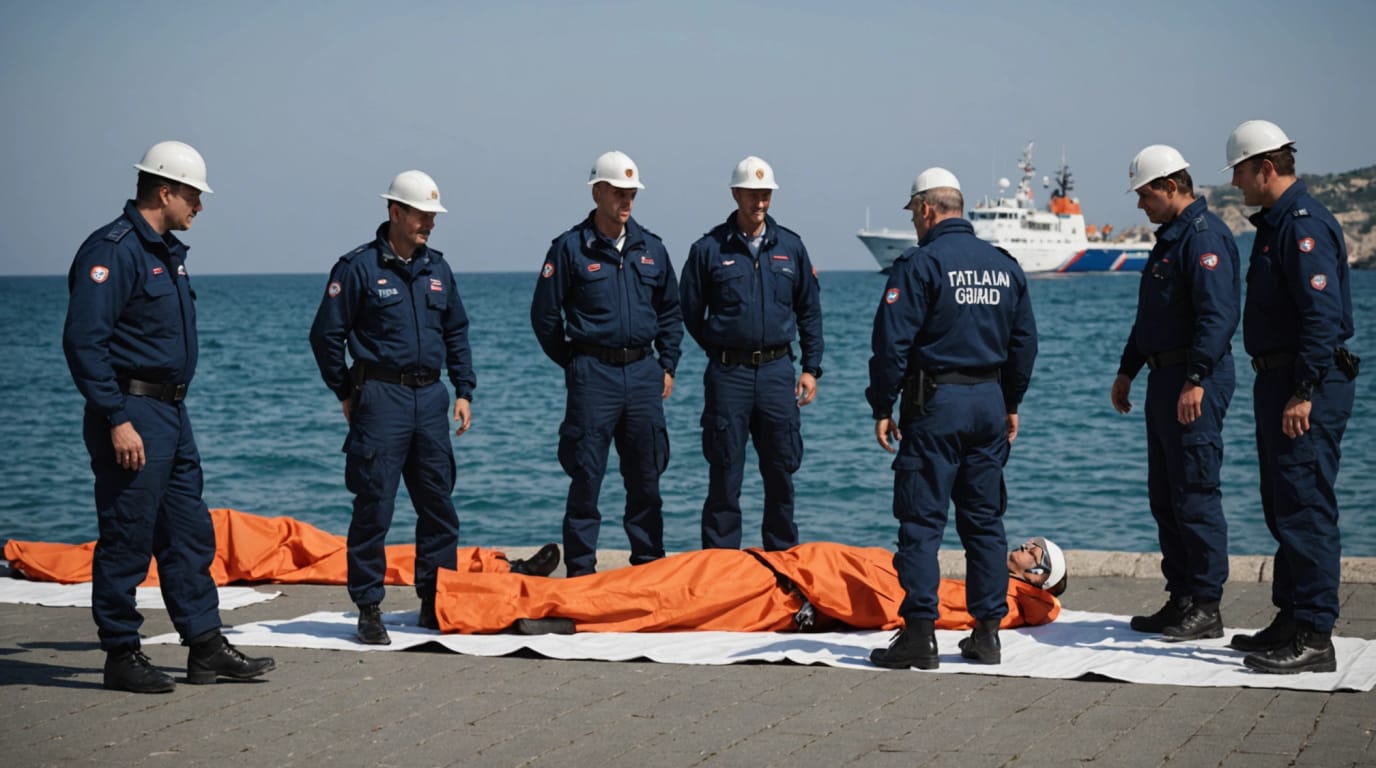
The Italian Coast Guard is searching for approximately 40 migrants presumed missing after a shipwreck in the central Mediterranean Sea. Six bodies, all male, have been recovered following the sinking of a rubber dinghy that departed from Tunisia earlier this week. The incident is the latest in a series of tragedies highlighting the perilous journeys undertaken by migrants attempting to reach Europe.
The United Nations High Commissioner for Refugees (UNHCR) confirmed the details of the shipwreck Wednesday, reporting that the inflatable vessel had left Sfax, Tunisia, on Monday carrying 56 people. According to survivors, the dinghy began to deflate and take on water just hours after setting sail.
Italian media reports indicate that the Coast Guard and financial police rescued 10 people – six men and four women – near the rocky islet of Lampione, close to Lampedusa. The survivors, who are being cared for by the UNHCR in Lampedusa, reported that some passengers were swept overboard due to rough seas. The rescued migrants are reportedly from the Ivory Coast, Mali, Gambia, and Cameroon.
The location of the shipwreck, near Lampedusa, is a common route for migrants attempting to cross from North Africa to Europe. Lampedusa, Italy's southernmost island, is often the first point of arrival for those making the dangerous journey. The central Mediterranean is known as one of the most dangerous migration routes in the world.
This recent tragedy underscores the ongoing crisis in the Mediterranean, where thousands of migrants have died or gone missing in recent years. The UNHCR's Italy representative, Chiara Cardoletti, expressed her dismay on social media, stating, "Still too many dead in a new shipwreck in the Mediterranean."
The Missing Migrant Project, a UN initiative, estimates that over 24,506 people have died or disappeared in the Mediterranean between 2014 and 2024. However, the actual number is likely higher, as many deaths go unrecorded. These unrecorded deaths include sightings of "ghost ships" with no one aboard and human remains washing ashore in Libya that cannot be linked to any known shipwreck.
The incident comes amid increased migration flows to Italy. According to the Italian Interior Ministry, approximately 8,743 migrants have arrived in Italy this year, slightly more than the number recorded during the same period last year. On Tuesday alone, five separate migrant landings occurred in Lampedusa, bringing a total of 213 people to the island. The island's reception center is currently housing 230 individuals.
The circumstances surrounding the shipwreck are still under investigation. However, the incident has renewed calls for increased search and rescue operations in the Mediterranean and for greater international cooperation to address the root causes of migration. Humanitarian organizations have long criticized European policies that prioritize border control over saving lives, arguing that these policies contribute to the high death toll in the Mediterranean.
The Italian Coast Guard continues its search for the missing migrants, but hopes are dwindling as time passes. The focus is now shifting to providing support and care for the survivors and ensuring that their stories are heard. The tragedy serves as a stark reminder of the human cost of migration and the urgent need for safer and more humane migration policies.
The latest shipwreck is likely to further fuel the debate within Italy and the European Union about how to manage migration flows. Italy has long called for greater solidarity from other EU member states in sharing the responsibility for hosting migrants. However, efforts to reform the EU's asylum system have been stalled for years due to disagreements among member states.
As the search for the missing continues, the focus remains on the human lives lost and the urgent need to prevent future tragedies in the Mediterranean. The incident highlights the desperation that drives people to risk their lives on dangerous sea crossings and the moral imperative to provide safe and legal pathways for migration.


