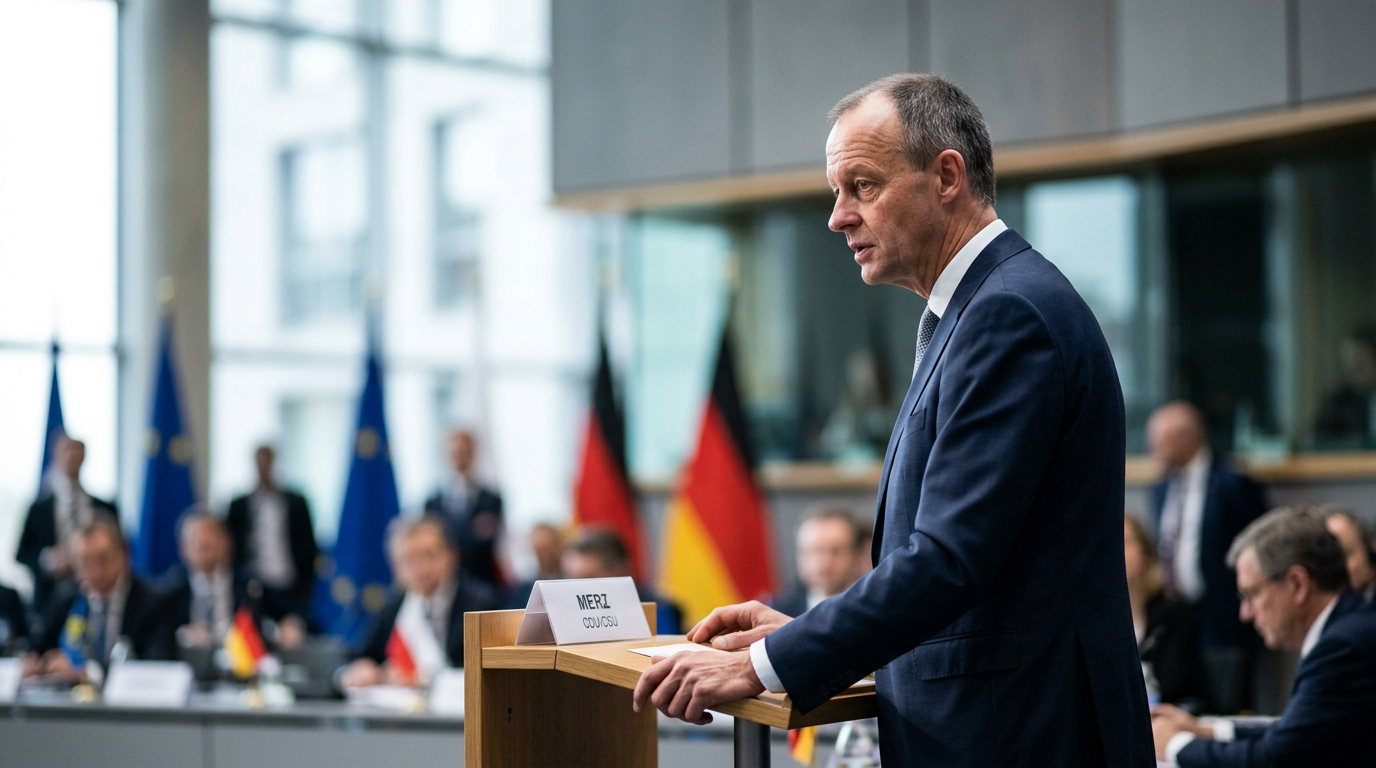
Merkel Dismisses Presidency Bid as 'Absurd,' Ending Speculation
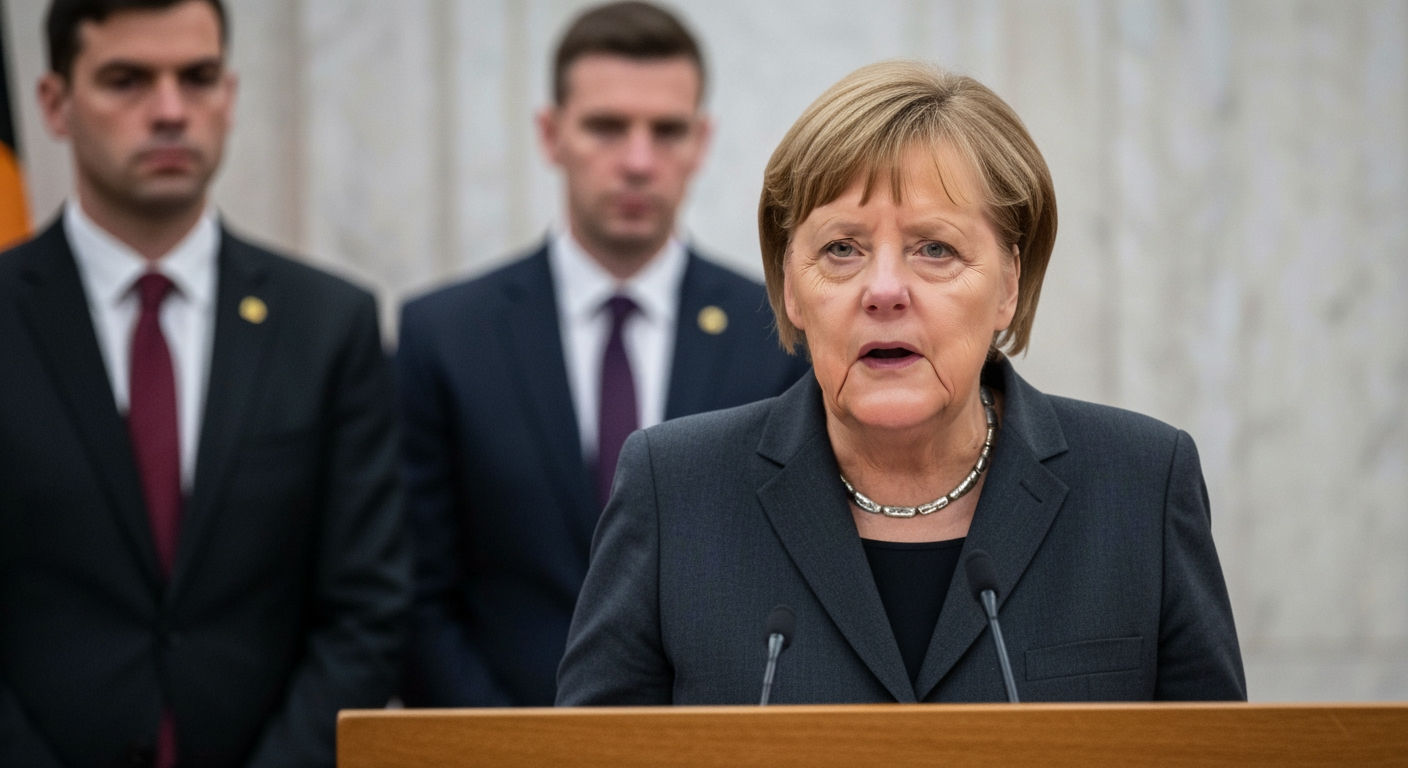
BERLIN – Former German Chancellor Angela Merkel has definitively quashed burgeoning speculation about a potential bid for the German presidency in 2027, labeling such notions "absurd." Her unequivocal denial comes amidst reports circulating within political circles, particularly from the Christian Democratic Union (CDU), that had begun to entertain the possibility of her returning to public office in a different capacity. This firm dismissal by Merkel herself aims to put an end to the political buzz that had emerged five years after her departure from active politics.
The Chancellor's Firm Rejection
The speculation, which gained traction through reports by outlets like the newspaper "Bild," suggested that even the Green party might consider proposing Merkel as a candidate for the largely ceremonial head of state position. However, a spokesperson for the former Chancellor swiftly addressed these rumors, stating plainly that a candidacy was "out of the question" with a concise "No." Merkel’s direct refutation underscores her consistent stance on political retirement since stepping down as Chancellor in 2021 after 16 years at the helm. She had previously indicated in 2018 that she did not intend to seek any political office after her chancellorship concluded.
Unpacking the Presidential Role in Germany
The office of the German President, currently held by Frank-Walter Steinmeier, is distinctly different from the highly powerful role of the Chancellor. While the President serves as the head of state, their duties are primarily ceremonial and representative. The President embodies the state itself, its existence, legitimacy, and unity, and represents the Federal Republic of Germany in international law, concluding treaties with foreign states and accrediting diplomats. They also possess significant moral authority and can influence public discourse through speeches and state visits.
In contrast, the Chancellor functions as the head of government, wielding substantial executive power. The Chancellor leads the federal cabinet, dictates government policy direction, and actively represents Germany on global platforms. Although the President formally ranks higher at official functions, the real political power resides with the head of government. The presidential role includes critical functions such as signing bills into law and appointing judges, and they hold certain "reserve powers" in times of political instability, as outlined in Article 81 of the Basic Law. They can also veto legislation if they believe it unconstitutional. This deliberately reduced executive power for the presidency was enshrined in the post-war constitution, learning from the misuse of presidential authority during the Weimar Republic.
The Undercurrents of Speculation
The emergence of such rumors highlights Angela Merkel's enduring presence and influence in German and European politics, even years after leaving office. For many, her long tenure as Chancellor, which made her a symbol of stability and leadership, naturally led to contemplation of future roles. She stepped down as Chancellor in 2021 following 16 years of leadership, a period that saw her guide Germany through numerous domestic and international crises. Her post-chancellorship has seen her express a desire for more personal time, including reading and introspection, explicitly rejecting a return to scientific research or immediate re-entry into the political fray.
The current speculation for the 2027 presidential election also gained traction because the incumbent, Frank-Walter Steinmeier, who was re-elected on February 13, 2022, is serving his second and final five-year term and is constitutionally barred from seeking re-election. This upcoming vacancy naturally invites discussion about potential successors.
A Politically Charged Context
Adding another layer to the recent speculation is the underlying political dynamic within the CDU itself. Reports suggested that a potential Merkel candidacy for the presidency would be "politically explosive" due to a long-standing rivalry between her and current CDU leader and Chancellor Friedrich Merz. Merkel had marginalized Merz within the CDU in the early 2000s, and their political differences have persisted. Following Merkel's retirement, Merz steered the party in a more rightward direction, departing from the centrist course characteristic of Merkel's era. Some observers interpreted the idea of a Merkel presidency as a potential counterweight to Merz's influence within the party and the broader political landscape.
It is not the first time Merkel has used strong language to dismiss high expectations or political maneuvers concerning her future. When announcing her bid for a fourth term as Chancellor in November 2016, she described hopes for what she could achieve as "grotesque and downright absurd," particularly regarding heightened expectations in a turbulent global political climate following events like Brexit and the US election. This earlier statement echoes the current dismissal, indicating a consistent approach to managing public and political expectations about her role.
Conclusion: A Chapter Closed
Angela Merkel's definitive declaration that a German presidency bid is "absurd" effectively closes a chapter of political conjecture. Her clear rejection, issued five years into her political retirement, reinforces her stated intention to remain outside the formal political arena. While her legacy and influence continue to be subjects of discussion, particularly given the ceremonial yet morally significant nature of the German presidency and the political dynamics within her former party, Merkel herself has signaled an unwavering commitment to her post-chancellorship life, free from the demands of another high office. The search for Germany's next head of state for the 2027 election will now proceed without the former Chancellor as a potential candidate.
Related Articles

Ratko Mladić, "Butcher of Bosnia" and Convicted War Criminal, Dies at 84
THE HAGUE, Netherlands – Ratko Mladić, the former Bosnian Serb military commander known as the "Butcher of Bosnia" and convicted of genocide, war crimes, and crimes against humanity, has died at the age of 84. Serbian...

Long-Awaited 9/11 Mastermind Trial Set for 2028, Decades After Attacks
GUANTANAMO BAY, Cuba – Nearly a quarter-century after the devastating terror attacks of September 11, 2001, a military judge has finally set a trial date for Khalid Sheikh Mohammed, the alleged mastermind behind the...