Merz and SPD Reach Preliminary Deal, Paving Way for New German Government
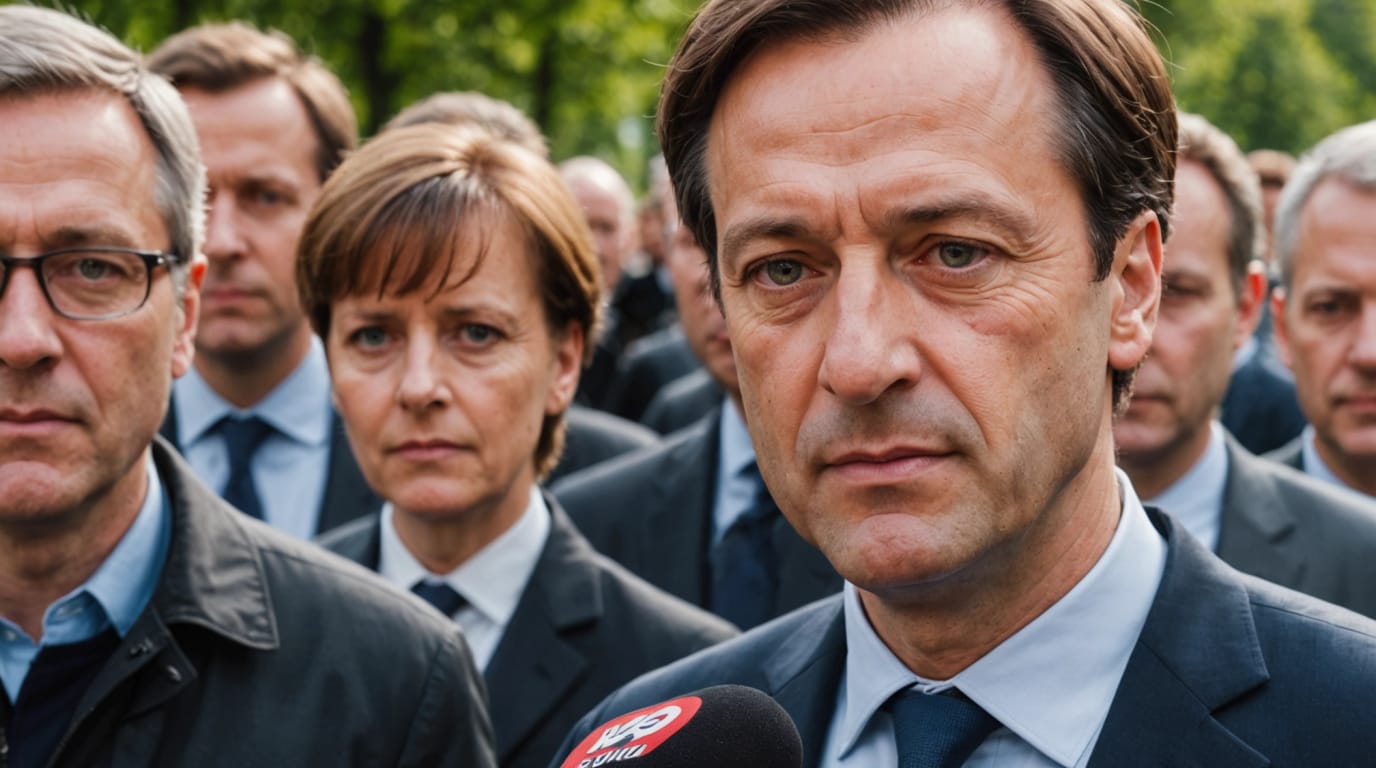
BERLIN – In a significant development that could end weeks of political uncertainty, Friedrich Merz, leader of the Christian Democratic Union (CDU), and the Social Democratic Party (SPD) have announced a preliminary agreement to form a coalition government. The announcement, made Saturday, signals a major step toward establishing a stable government in Germany after recent elections.
The agreement follows days of intense negotiations between the two parties, which represent a broad spectrum of the German political landscape. While details of the deal remain undisclosed, the announcement suggests a willingness to compromise on key policy issues to ensure governmental stability. The move comes as many worry about Germany's ability to lead on the international stage.
Election Results and Initial Negotiations
The CDU/CSU secured 28.5% of the vote in the recent general election, making them the largest party in the Bundestag. However, they fell short of an absolute majority, necessitating coalition talks. The SPD, despite achieving a historically low 16.4% of the vote, emerged as a crucial potential partner for the CDU/CSU to reach the required 316 seats for a majority in parliament.
Following the election, Merz extended an olive branch to the SPD, initiating informal discussions to explore coalition possibilities. Formal exploratory talks commenced earlier this month, focusing on bridging the policy gaps between the two parties.
Key Policy Differences and Compromises
Negotiations between the CDU/CSU and SPD have been complex, given their differing stances on several key policy areas. Immigration, economic policy, and energy transition have been major points of contention. The CDU/CSU, traditionally more conservative, has emphasized stricter immigration controls and fiscal responsibility, while the SPD has advocated for social welfare programs and a more rapid transition to renewable energy.
To reach a preliminary agreement, both parties have likely had to make concessions. It remains to be seen how these compromises will shape the new government's policy agenda. Details regarding potential compromises on the debt brake, defense spending, and social programs are expected to be revealed in the coming days.
The Shadow of the AfD
The rise of the far-right Alternative for Germany (AfD), which garnered a record 20.8% of the vote, has added another layer of complexity to the government formation process. Merz has firmly ruled out any coalition talks with the AfD, citing fundamental differences on democratic principles and key policy matters.
The AfD's strong showing has likely increased the pressure on the CDU/CSU and SPD to form a stable and effective government to counter the appeal of extremist ideologies. The need to address the concerns of voters who supported the AfD, such as anxieties about immigration and economic inequality, will be a significant challenge for the new coalition.
Timeline and Future Steps
With a preliminary deal in place, the CDU/CSU and SPD will now move towards formal coalition negotiations. These negotiations will involve detailed discussions on policy priorities, cabinet appointments, and the overall governing agenda.
Merz has expressed his aim to establish a new coalition government by mid-April. However, given the complexities involved, the timeline remains uncertain. The SPD's co-leader, Lars Klingbeil, has cautioned against expecting a fast coalition formation, emphasizing the need to address the policy differences between the two parties.
Implications for Germany and Europe
The formation of a CDU/CSU-SPD coalition government will have significant implications for both Germany and Europe. As the largest economy in Europe, Germany plays a crucial role in shaping EU policy and addressing global challenges.
A stable and effective German government is essential for navigating the ongoing economic crisis, addressing climate change, and maintaining European unity in the face of geopolitical uncertainties. The new government will also be expected to play a leading role in addressing the conflict in Ukraine and managing relations with the United States under President Trump's administration.
The preliminary agreement between the CDU/CSU and SPD represents a crucial step towards resolving Germany's political deadlock. While challenges remain, the prospect of a new coalition government offers hope for stability and effective leadership in the years ahead. The world is watching to see how this new government will address the pressing issues facing Germany and the international community.


