Messi's Return: A Catalyst or a Fleeting Spectacle for Indian Football?
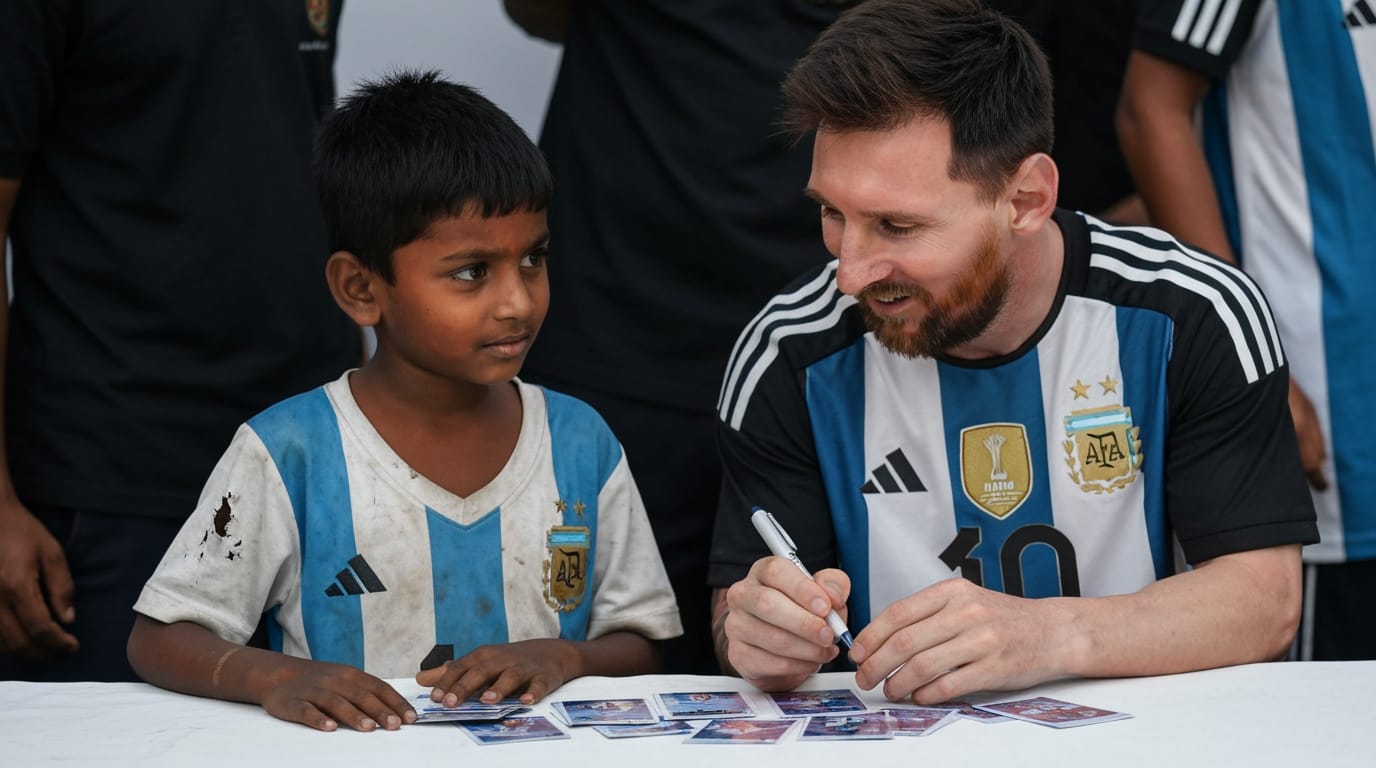
New Delhi, India – Lionel Messi, arguably the greatest footballer of his generation, is once again gracing Indian soil, sparking a fervor that underscores the nation's profound passion for the beautiful game. His ongoing "GOAT Tour" across four major cities — Kolkata, Hyderabad, Mumbai, and Delhi — promises to be a spectacle of celebrity, fan engagement, and economic opportunity. Yet, beneath the dazzling lights and fervent celebrations, a crucial question lingers: Can the presence of a global icon like Messi truly ignite a sustainable boost for Indian football, or will it remain a momentary thrill in a landscape still grappling with fundamental challenges?
Messi's connection with India dates back to 2011, when he captained Argentina in a friendly against Venezuela in Kolkata. That maiden visit created an unprecedented buzz, with the iconic Salt Lake Stadium packed to its 85,000 capacity, showcasing India's immense appetite for top-tier football. Fans thronged the streets, and his decisive assist in Argentina's 1-0 victory solidified his legendary status among Indian enthusiasts. The event was hailed as a watershed moment, demonstrating India's capability to host major footballing occasions and inspiring a generation of young fans.
The Messi Phenomenon: Hype Versus Tangible Impact
The current GOAT Tour, encompassing concerts, celebrity matches, fan interactions, and even a planned meeting with the Prime Minister, is touted to generate significant financial growth across tourism, hospitality, merchandising, and sponsorship. Kolkata, with its deep-rooted football culture and history of welcoming legends like Pelé and Diego Maradona, was a natural starting point for the tour, emphasizing a continuity of passion rather than just a commercial venture. Enthusiasts have gone to extraordinary lengths, including erecting a 70-foot statue of Messi in Kolkata and creating immersive fan zones to celebrate his legacy.
However, the narrative surrounding such high-profile events is not without its critics. Concerns have emerged regarding the financial viability and overall benefit to local communities. Reports indicate that the anticipated economic windfall, initially projected to be between $80-100 million in revenue from tickets, merchandise, and tourism, might fall short, with organizational costs potentially outweighing the income gained. Local businesses and taxpayers have voiced apprehension over inflated prices, logistical disruptions, and a perceived lack of genuine local economic uplift, suggesting that multinational corporations might benefit more from exclusive sponsorship deals. This dichotomy raises questions about whether these star-studded tours prioritize celebrity branding and external stakeholders over the foundational needs of Indian football.
The Evolving Landscape of Indian Football: Progress Amidst Potholes
Historically, football in India has struggled to match the widespread popularity of cricket, despite a rich history spanning over 150 years. However, the launch of the Indian Super League (ISL) in 2014 marked a significant turning point, injecting professionalism, attracting international players and coaches, and improving the overall matchday experience. The ISL has seen considerable growth in viewership and fan engagement, and its inception coincided with a notable rise in the Indian national team's FIFA rankings, climbing from 173 in 2015 to 96 in 2017. The league's commercial success is reflected in its strong social media presence and substantial viewing minutes. Furthermore, the increasing viewership of international leagues like the Premier League, La Liga, and UEFA Champions League among millions of Indian fans highlights a growing appetite for the sport.
Despite these advancements, the ISL model faces inherent criticisms. Its franchise-based structure, which historically lacked a promotion and relegation system, has been a contentious point, with critics arguing it stifles competition and limits opportunities for clubs outside the top tier. Many ISL clubs reportedly incur significant annual losses, spending around ₹60 crore per season but only receiving ₹13-16 crore from central broadcasting revenues, making them heavily reliant on owner funding, a model deemed unsustainable. Declining attendance in recent seasons, from an average of over 25,000 in 2014 to around 11,000 currently, further underscores the league's commercial challenges. Stakeholders often lament the absence of a clear roadmap for sporting development, asserting that the league is primarily structured for profit rather than organic growth.
Beyond the Spectacle: Building from the Grassroots Up
For any lasting impact, experts emphasize the critical importance of robust grassroots development and infrastructure. While the ISL has contributed to improving infrastructure, India still faces significant deficits in proper stadiums, training facilities, and youth programs compared to other footballing nations. The All India Football Federation (AIFF) recognizes this, outlining an ambitious "Vision 2047" strategic roadmap. This plan aims to position India among the top seven footballing nations in Asia by 2036, with the ultimate goal of qualifying for the FIFA World Cup on merit.
Central to this vision is the "Blue Cubs" program, the AIFF's flagship grassroots initiative. It seeks to engage 35 million children aged 4-12 by 2026 and expand to 100 million by 2047. The program focuses on skill development, talent identification, coach education, and establishing structured pathways for young players, including the creation of leagues for various age groups. Initiatives like the Stairs School Football League (SSFL) are already making strides in scouting and training thousands of young footballers across the country. However, these efforts are often hampered by a lack of consistent investment, inadequate coaching, and budget cuts for youth programs. The absence of a strong football culture in many regions, overshadowed by cricket, also poses a significant hurdle, as does the lack of professionalism among some clubs and administrative issues within the sport's governing bodies.
The Path Forward: Sustained Investment and Strategic Growth
While Lionel Messi's visits undoubtedly generate immense excitement and draw global attention to Indian football, their long-term efficacy hinges on strategic, sustained efforts beyond the immediate fanfare. The potential for growth is immense, driven by India's vast population, a growing middle class, and increasing youth engagement with football. However, realizing this potential requires addressing fundamental issues.
A clear roadmap that prioritizes sporting development over commercial expediency is crucial. This includes significant investment in grassroots programs, creating a wider pool of talent, and ensuring quality coach education. Expanding competitive opportunities through longer league seasons for both senior and youth players is essential for player development. Furthermore, strengthening infrastructure, ensuring financial stability for clubs, and fostering good governance within the AIFF are paramount. The increasing corporate partnerships and government support, alongside the rising visibility through digital platforms, offer promising avenues.
In conclusion, Lionel Messi's presence in India is an invaluable moment for fans and a powerful symbol of football's global appeal. His visits undoubtedly inspire, generate buzz, and lay the groundwork for greater interest. However, for India to truly emerge as a significant player on the global football stage, the focus must extend beyond celebrity tours to a sustained, collective commitment towards nurturing talent from the ground up, building robust infrastructure, and implementing strategic, long-term development plans. Only then can the magic of a Messi translate into a lasting legacy for Indian football.


