Mexico City Toros No Más: Landmark Vote Bans Traditional Bullfighting
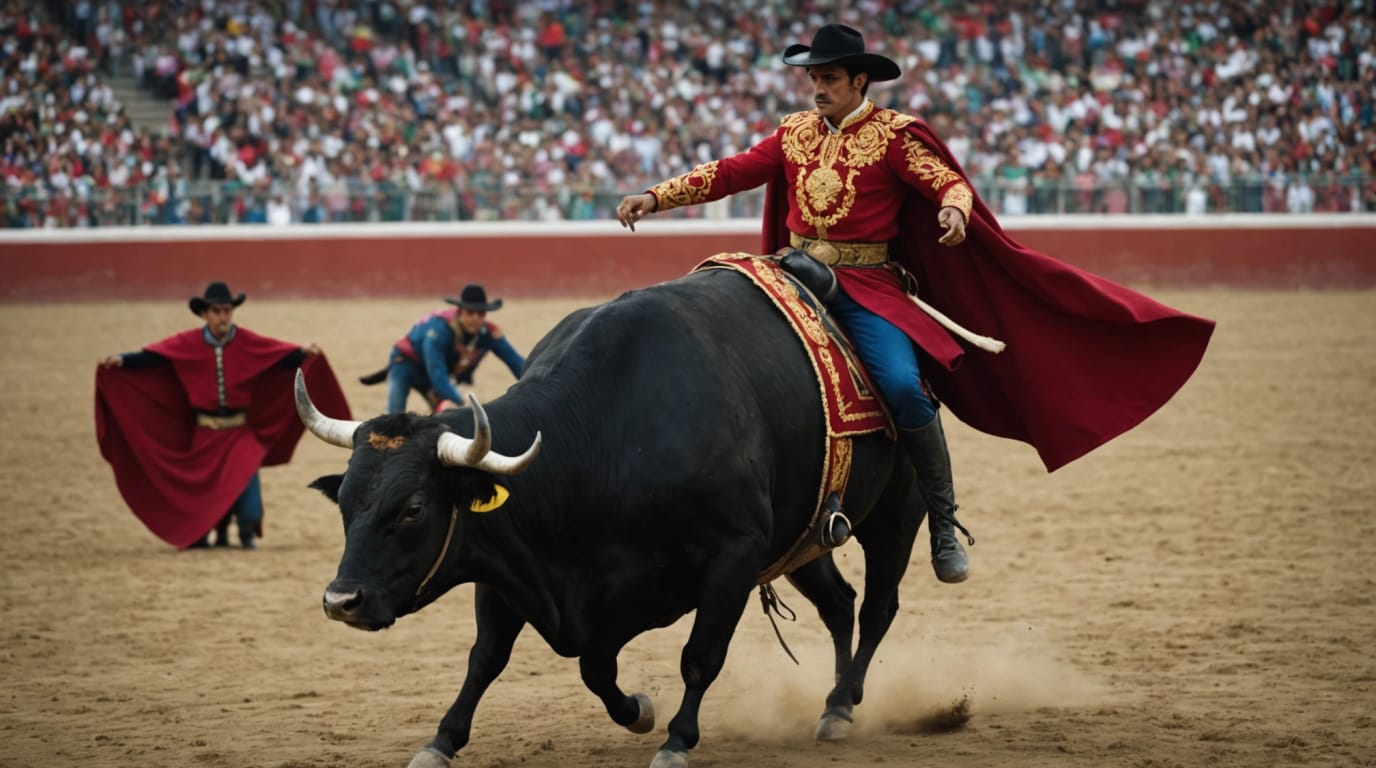
Mexico City, the world's largest bullfighting metropolis, has outlawed traditional bullfights, marking a pivotal moment in the ongoing debate over animal rights and cultural traditions. The decision, reached Tuesday by an overwhelming majority of city lawmakers, prohibits the injury or killing of bulls in the arena, ushering in a new era of "violence-free" bullfighting. The move has ignited celebrations among animal rights activists and sparked outrage from bullfighting aficionados who view it as an attack on a deeply rooted cultural heritage.
The approved legislation, supported by Mexican President Claudia Sheinbaum, passed with a 61-1 vote. It bans the injuring or killing of bulls for sport, not only inside bullrings but also outside. Proponents are calling the new form of the sport "bullfighting without violence," where the amount of time a bull can be in the ring is restricted, and bullfighters are limited to using capes to engage the animals. Sharp objects like swords or spears are also prohibited. Individual bullfights will last only 15 minutes, with a maximum of six bullfights per event. After the event, bulls must be returned to the ranches they came from.
The ban follows years of escalating legal battles and public outcry against bullfighting in Mexico City. In May 2022, a judge temporarily suspended bullfights at the Plaza de Toros, the largest bullring in the world, after a lawsuit filed by an advocacy group. Although the Supreme Court of Justice overturned this decision in December 2023, the legal challenge underscored the growing opposition to the practice. During the nine-day bullfighting season in 2024, 54 bulls were killed in Mexico City.
Supporters of the ban argue that it aligns with evolving societal values and a growing awareness of animal welfare. Clara Brugada, Mexico City's head of government, stated that "cruelty as a spectacle" cannot be justified as art or tradition, adding that "culture evolves, and we have the responsibility to transform it in favor of animal welfare." She proposed the ban after México Sin Toreo, a coalition of organizations, submitted a citizen-led initiative with over 27,000 signatures supporting the abolition of bullfights, cockfights, and other cruel practices. Brugada believes the ban aligns with the Mexican Parliament's December 2024 constitutional reform to prohibit animal mistreatment and guarantee their protection, conservation, and care.
Conversely, bullfighting advocates decry the ban as an assault on a cherished cultural tradition with deep historical roots. They argue that bullfighting is an art form, a display of courage and skill, and a vital part of Mexican identity. They also point to the economic benefits of the bullfighting industry, which they say generates thousands of jobs and millions of dollars in revenue. According to figures from the Mexico City legislature, the bullfighting industry generated 80,000 jobs and around $50 million in revenue in 2023. Opponents of the ban also argue that the new legislation "completely distort[s] the essence and go[es] against the heart and origins of this tradition."
The ban has sparked mixed reactions within the bullfighting community. Some bullfighters and promoters have expressed defiance, vowing to fight the decision and preserve the tradition. Others have signaled a willingness to adapt to the new regulations, exploring ways to maintain the spectacle while minimizing harm to the animals. The new rules dictate that bullfighters can only use the traditional large cape and the smaller red one to lure the bulls.
Mexico City is not the first place to take action against bullfighting. Five of Mexico's 31 states have already prohibited bullfights: Sinaloa, Sonora, Guerrero, Coahuila, and Quintana Roo. Several countries, including Argentina, Cuba, and Italy, have also banned bullfighting. Colombia approved a ban on bullfights starting in 2027, and the killing of animals has been banned in Quito, Ecuador.
The future of bullfighting in Mexico City remains uncertain. While the ban represents a significant victory for animal rights advocates, it also sets the stage for continued legal and cultural battles. The implementation of the new regulations will likely face challenges, and the debate over the ethical and cultural implications of bullfighting is far from over. The decision in Mexico City underscores a global trend toward greater animal protection and raises fundamental questions about the role of tradition in a changing world.
The ban in Mexico City signifies a cultural shift, reflecting a growing global awareness of animal welfare. While proponents celebrate a victory for animal rights, opponents mourn the loss of a tradition they consider integral to their cultural identity. The coming years will reveal whether "violence-free" bullfighting can offer a compromise or if this decision marks the beginning of the end for bullfighting in Mexico.


