Mexico Plunges into Chaos After Cartel Kingpin ‘El Mencho’ Killed, 25 National Guard Troops Dead in Retaliation
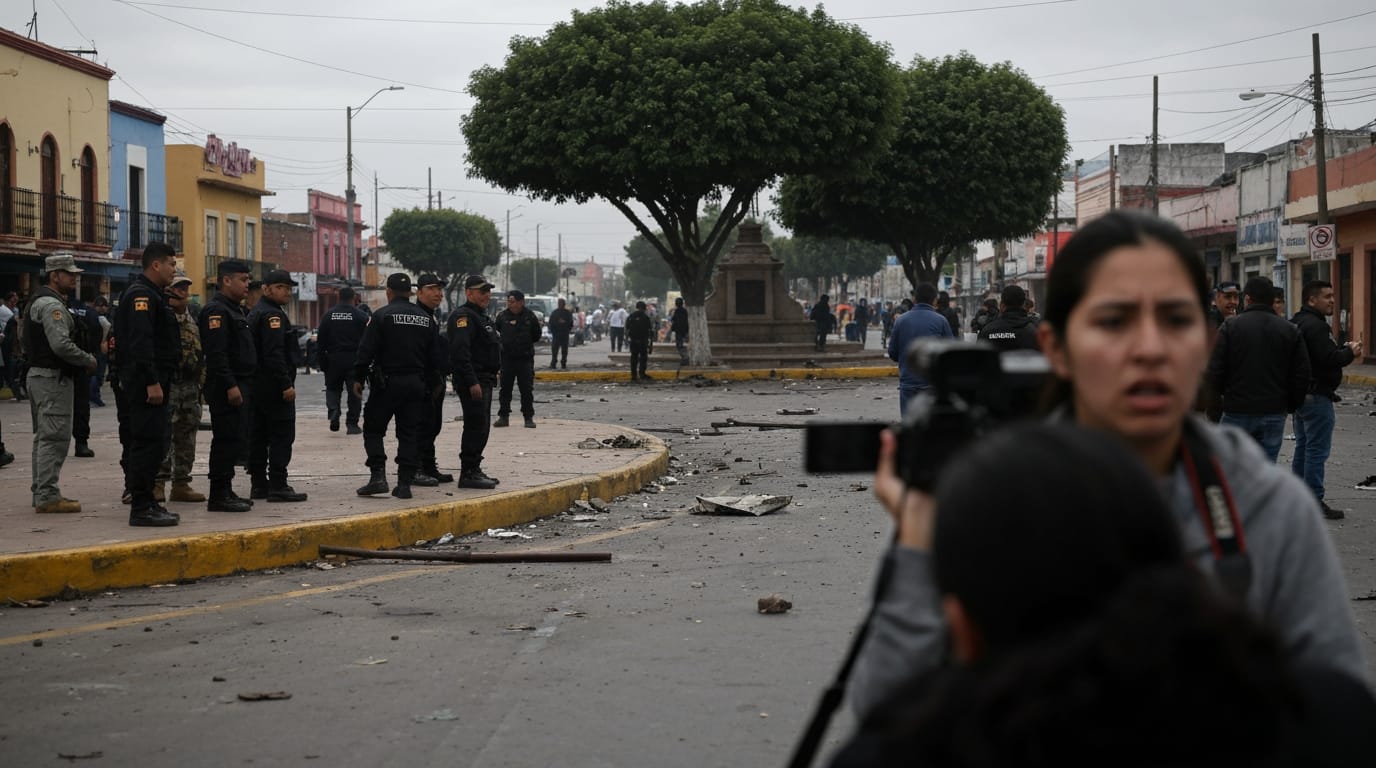
GUADALAJARA, Mexico – The death of Mexico's most-wanted drug lord, Nemesio Rubén Oseguera Cervantes, known as "El Mencho," has ignited a ferocious wave of retaliatory violence across multiple states, claiming the lives of at least 25 National Guard troops and several other security personnel. Mexican authorities confirmed the killing of the notorious leader of the Jalisco New Generation Cartel (CJNG) following a major military operation in Jalisco state on Sunday, an event that has since unleashed widespread chaos, including burning vehicles, strategic roadblocks, and significant disruptions to daily life and travel.
The dramatic takedown of "El Mencho," a figure with a $15 million U.S. bounty on his head, marks a significant victory for Mexican security forces, supported by U.S. intelligence. However, the triumph has come at a steep immediate cost, as the CJNG, renowned for its extreme brutality and military-style tactics, responded with an immediate and coordinated display of force, underscoring the cartel's enduring power and capacity for widespread disruption.
The Fall of a Drug Empire Architect
Nemesio Rubén Oseguera Cervantes, a former police officer, had risen to become the undisputed head of the CJNG, transforming it into one of Mexico's most formidable and violent criminal organizations. His cartel is a primary trafficker of cocaine, methamphetamine, and the deadly synthetic opioid fentanyl into the United States, operating with an extensive network across nearly all 50 U.S. states. "El Mencho" had notoriously evaded capture for years, building an aura of invincibility while overseeing audacious attacks against government officials and security forces.
The operation that led to his demise unfolded Sunday in Tapalpa, Jalisco, a mountainous region long considered a CJNG stronghold. Mexican military personnel, engaged in an effort to apprehend him, came under attack. In the ensuing shootout, four CJNG members were killed at the scene. Three others, including Oseguera Cervantes, sustained severe injuries and subsequently died while being airlifted to Mexico City for medical treatment. Three Mexican soldiers were also wounded during the initial engagement. The raid successfully seized armored vehicles, rocket launchers capable of downing aircraft, and other military-grade weaponry, highlighting the sophisticated arsenal at the cartel's disposal.
Unleashing a Torrent of Retaliation
The news of "El Mencho's" death triggered an immediate and ferocious backlash from the CJNG. Security Secretary Omar García Harfuch confirmed that at least 25 members of the National Guard were killed in six separate attacks across Jalisco following the operation. The violence also claimed the lives of a prison guard, an agent from the state prosecutor's office, and a civilian woman.
Cartel members rapidly erected "narco-blockades" using burning cars, buses, and trucks, paralyzing major highways and roads in at least eight Mexican states, including Jalisco, Michoacán, Guanajuato, Nayarit, Colima, Guerrero, Tamaulipas, and Zacatecas. The unrest forced the cancellation of dozens of flights, with airlines like Air Canada suspending service to popular tourist destinations such as Puerto Vallarta. Airports, notably in Guadalajara, experienced chaotic scenes as militants reportedly carried out assaults, causing widespread panic among passengers. Smoke billowed from torched vehicles and businesses, turning parts of the affected regions into scenes of urban warfare.
Jalisco's capital, Guadalajara, a host city for the upcoming 2026 FIFA World Cup, was particularly hard hit, with reports of gunfire, gang fights, and businesses being set ablaze, including a Costco store in Puerto Vallarta. Schools across several states canceled classes, and both Mexican and foreign governments issued urgent warnings for citizens to shelter in place. The U.S. State Department advised American citizens in Jalisco, Tamaulipas, Michoacán, Guerrero, and Nuevo León to remain indoors due to ongoing security operations and criminal activity.
The Broader Implications for Mexico's Security
The death of "El Mencho" represents a significant symbolic and operational blow to the CJNG. However, the scale and ferocity of the cartel's response immediately after his killing underscore the profound challenges Mexico continues to face in its long-standing battle against organized crime. While the Mexican government, led by President Claudia Sheinbaum, lauded the military's actions, it simultaneously urged calm and initiated efforts to clear roads and restore order across affected areas.
Security experts are now closely monitoring the situation for potential power struggles within the CJNG, which could lead to further bloodshed. Historically, the removal of a high-profile cartel leader can create a vacuum, often resulting in increased violence as factions vie for control. The CJNG's swift and brutal reaction demonstrates its decentralized command structure and its deep entrenchment in various parts of the country, capable of independent action even without its top leader.
The collaboration with U.S. intelligence in the operation highlights ongoing international efforts to combat drug trafficking, especially the flow of fentanyl into the United States. However, the violent aftermath serves as a stark reminder that military successes against cartel leadership, while important, often trigger severe and immediate destabilization, impacting civilians and local governance. The incident further intensifies the political balancing act for President Sheinbaum, who faces domestic pressure to improve security while navigating international demands for aggressive cartel crackdowns.
A Nation on Edge
As Mexico grapples with the immediate fallout from "El Mencho's" death, the coming weeks will be critical in determining the long-term impact on the CJNG's operations and the broader landscape of the country's drug war. The widespread violence, the tragic loss of security personnel, and the disruption to daily life paint a grim picture of the cartel's formidable capacity to inflict chaos. While the elimination of a major criminal figure is a tactical victory, it has undeniably thrust Mexico into a period of heightened uncertainty and calls into question the immediate path forward in its enduring struggle against powerful criminal organizations. The nation remains on edge, awaiting whether this decisive blow against the CJNG will ultimately lead to a more stable future or a prolonged era of increased conflict.


