Mexico's Tourist Paradises Grapple with the Dark Underbelly of Human Trafficking
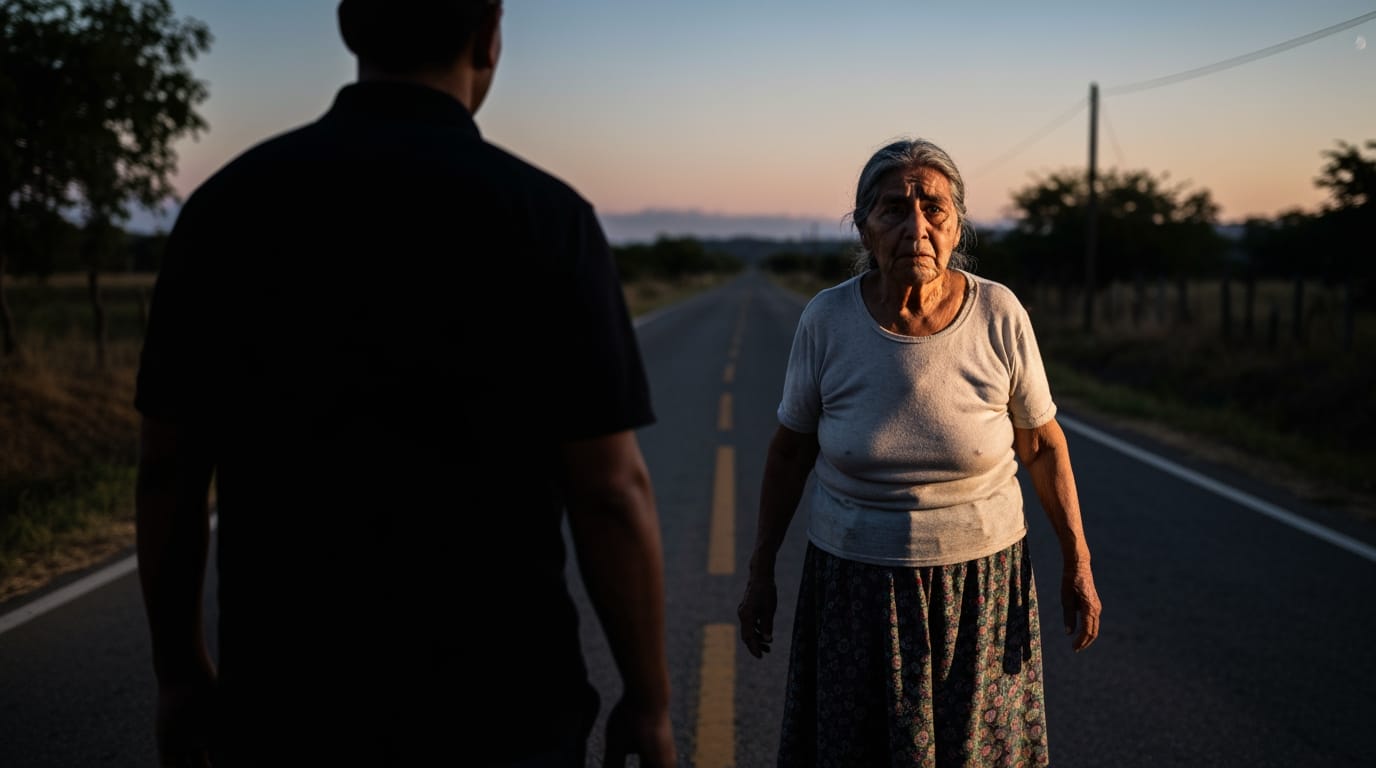
Mexico, a vibrant nation celebrated for its rich culture, breathtaking landscapes, and bustling tourist destinations, conceals a grim reality beneath its idyllic veneer: it is a significant hub for human trafficking. This insidious crime exploits millions globally, and in Mexico, it manifests as both forced labor and sexual exploitation, preying on vulnerable populations and finding fertile ground in the very allure of its tourism industry. The issue is pervasive, with the nation serving as a source, transit, and destination country for victims.
Human trafficking in Mexico encompasses a wide spectrum of exploitation, though government and NGO statistics suggest that forced labor may be more prevalent than forced prostitution. The victims are disproportionately drawn from already marginalized communities, including women, children, indigenous persons, and undocumented migrants. Poverty, lack of education, and social disparities exacerbate their vulnerability, compelling individuals to accept perilous opportunities to support their families. Reports from 2018 indicated approximately 341,000 victims of modern slavery within Mexico, highlighting the scale of the crisis. Furthermore, an estimated 16,000 to 20,000 Mexican and Central American children are subjected to sex trafficking within the country, a statistic that underscores Mexico's unfortunate ranking as the world's second-worst nation for child prostitution as of 2010.
The Allure and the Trap: Exploitation in Tourist Hotspots
Mexico's most popular tourist destinations, paradoxically, have become significant operational zones for human traffickers. Cities like Acapulco, Cancun, Tijuana, Ciudad Juárez, Cabo San Lucas, Puerto Vallarta, and Playa del Carmen are frequently cited as hotspots for child sex tourism and other forms of exploitation. The promise of economic opportunity in these thriving areas often serves as a deceptive lure. False job offers draw individuals from impoverished rural regions to urban, border, and tourist centers, only for them to fall into servitude. The existence of "Zonas de Tolerancia," areas where prostitution is often permitted, has inadvertently cemented Mexico's status as a major destination for sex tourism, particularly from the United States, thereby fueling the forced exploitation of many.
Hotels and motels, central to the tourism infrastructure, can unknowingly become sites for trafficking operations. Traffickers exploit these venues for various purposes, including commercial sexual exploitation and even filming pornography. The intricate web of criminal activity extends beyond individual opportunists; organized crime syndicates, particularly drug cartels, have deeply infiltrated the tourism sector. These powerful groups leverage tourist destinations for drug trafficking, extortion, money laundering, and increasingly, human trafficking, including the child sex trade. Cartels are known to traffic minors from rural areas and even Central America to meet demand from both local and international clients in places like Puerto Vallarta. Beyond direct exploitation, cartels also exert influence over legitimate tourism businesses through extortion, money laundering via hotels and real estate, and by co-opting local workers. Waitstaff and drivers in Quintana Roo, for instance, have reportedly been coerced into transporting drugs or identifying potential extortion targets, especially during peak tourist seasons.
The Profound Human Cost of Trafficking
The impact on victims of human trafficking is devastating and far-reaching, encompassing severe physical and psychological trauma. Those forced into sexual exploitation, particularly children, endure constant fear, often facing violence from clients and traffickers. This profound abuse leads to severe psychological distress, including depression, low self-esteem, and pervasive feelings of hopelessness, with child sex trafficking victims exhibiting significantly higher suicide rates than national averages.
Traffickers employ a range of coercive tactics, from false promises of employment and deceptive romantic relationships to outright extortion and debt bondage. Migrants are particularly vulnerable; many transit through Mexico en route to other destinations and can be entrapped in forced labor or sexual servitude, often after willingly engaging smugglers who later exploit them through debt. These individuals, often traveling alone, are at heightened risk due to their isolation and desperate circumstances. In some harrowing instances, minors are forced into roles supporting criminal organizations, acting as lookouts, smuggling mules, or even participating in violent acts as hitmen or kidnappers. The journey itself can be fraught with peril, with travelers, particularly migrants, sometimes mistaken for smugglers or rival gang members, leading to kidnapping or attack.
Battling the Epidemic: Efforts and Persistent Challenges
Recognizing the severity of the issue, both governmental and non-governmental organizations are engaged in efforts to combat human trafficking in Mexico. The U.S. State Department's 2025 Trafficking in Persons Report noted Mexico's continued placement on Tier 2, indicating that while the government does not fully meet minimum standards for elimination, it is making significant efforts. These efforts include increased investigations, prosecution of suspects, victim identification, and amendments to anti-trafficking laws designed to enhance penalties and strengthen victim protections. For example, the state of Chihuahua secured its first conviction for forced labor, and Tlaxcala convicted a complicit police officer for sex trafficking.
The tourism industry itself is beginning to play a role in prevention. Organizations like ZOE Mexico are collaborating with the Ministry of Tourism to develop training programs for hotel staff, equipping them to recognize warning signs of trafficking. Similar initiatives in Mexico City have trained hotel personnel to identify suspicious behaviors, such as older men accompanied by young women or guests booking multiple rooms without ever leaving them. Some hotels in Puerto Vallarta have also implemented anti-child sex trafficking detection protocols. National hotlines are available in Mexico for reporting suspected trafficking cases.
Despite these efforts, significant challenges persist. Corruption and complicity within official ranks remain considerable hurdles, undermining law enforcement actions. Victim services are often inadequate and inconsistently available across the country, with male and forced labor victims particularly underserved. A lack of coordination among federal, state, and local authorities, combined with an absence of a unified system for tracking progress and data, further hampers effective response. The pervasive influence of cartel violence and their control in certain tourist areas continue to impede anti-trafficking operations, creating an environment where exploitation can flourish unchecked.
A Call for Concerted Action
Human trafficking in Mexico, deeply intertwined with its booming tourism sector, represents a complex and multifaceted crisis. While the allure of its destinations draws millions of visitors and significant economic investment, it simultaneously creates vulnerabilities that criminal networks, including powerful cartels, ruthlessly exploit. The profound human cost, measured in shattered lives and stolen dignities, demands urgent and sustained attention.
Combating this dark side of tourism requires a comprehensive and coordinated approach. This includes not only vigorous law enforcement and prosecution of traffickers, but also a dedicated focus on preventing exploitation, protecting victims, and addressing the root causes of vulnerability such as poverty and lack of opportunity. Enhanced training within the tourism industry, strengthened collaboration between government agencies, civil society, and international partners, and robust support systems for survivors are all critical components in this ongoing struggle. Only through such concerted action can Mexico hope to reclaim the integrity of its beautiful landscapes and safeguard all individuals from the scourge of human trafficking.


