Middle East Ablaze: Iran Launches Widespread Retaliatory Strikes on U.S. Bases Amid Escalating Tensions
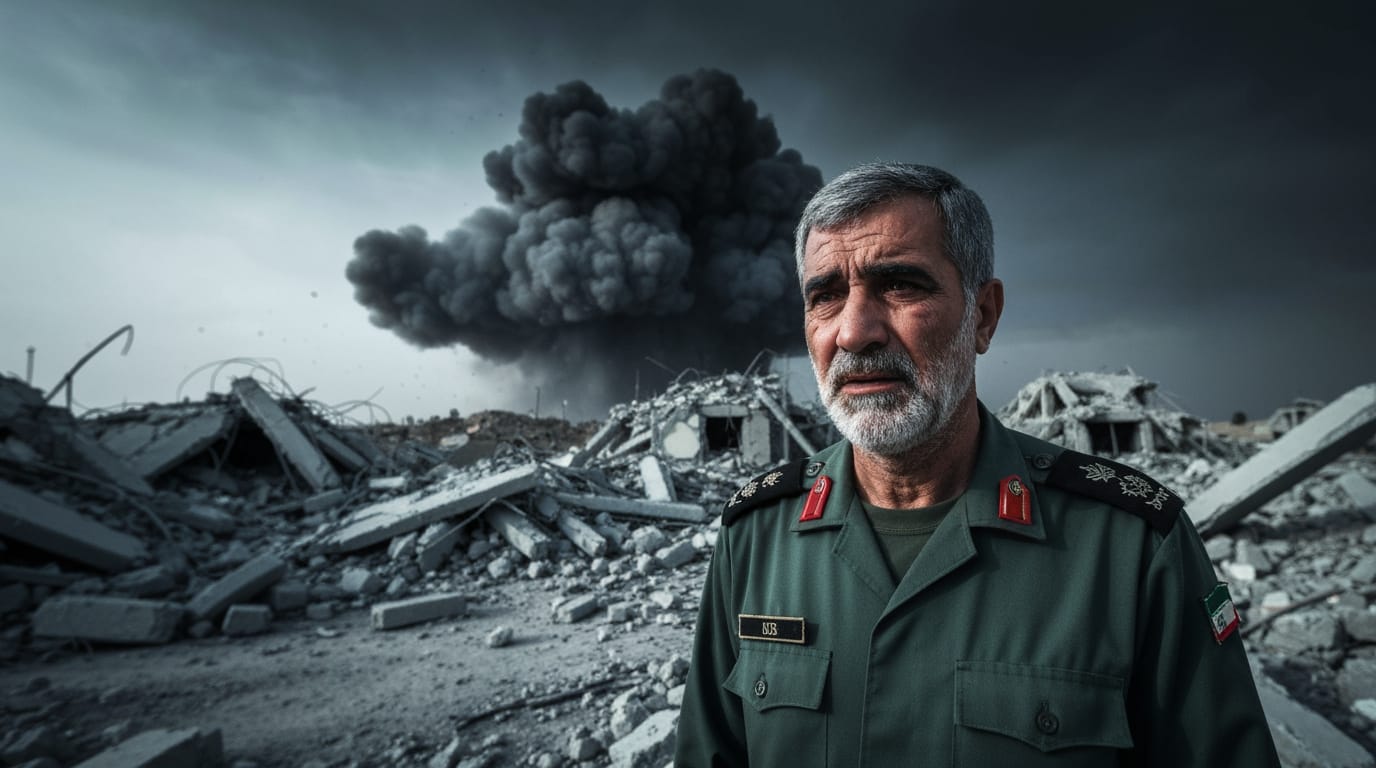
The Middle East finds itself on a knife-edge as Iran’s Islamic Revolutionary Guard Corps (IRGC) unleashed a barrage of drone and missile attacks against United States military installations in Jordan, Bahrain, and Kuwait early Wednesday, June 10, 2026. These strikes mark a significant escalation in the already volatile confrontation between Washington and Tehran, triggered by a U.S. response to the downing of an American Apache helicopter near the strategic Strait of Hormuz just hours earlier. The tit-for-tat exchanges threaten to plunge the region into a broader conflict, with global implications for stability and energy markets.
A Cycle of Retaliation Ignited
The latest round of hostilities commenced after a U.S. Apache helicopter was reportedly shot down on Monday, June 9, near the Strait of Hormuz, a critical choke point for global oil shipments. While the U.S. military rescued the two crew members, the incident was quickly attributed to Iranian aggression. In swift response, the United States launched what it described as "self-defense strikes" against Iranian air defense systems, ground control stations, and radar sites within Iran. President Donald Trump characterized the U.S. action as "very strong, very powerful." Tehran, however, viewed these U.S. strikes as a direct assault on its sovereignty and promised a "crushing and decisive" response.
Iran's military command, Khatam al-Anbiya, cited these U.S. operations as the direct impetus for its retaliatory attacks. Iranian state media reported that the IRGC targeted the U.S. Fifth Fleet in Bahrain and an airbase hosting American personnel in Jordan. The Ali Al Salem Air Base in Kuwait was also reportedly hit. While Jordan and Bahrain confirmed their air defense systems successfully intercepted incoming projectiles, preventing confirmed casualties, the sheer scope and synchronized nature of the Iranian strikes underscore a dangerous new phase in the long-standing rivalry. Explosions and air raid sirens were reported across several Gulf nations, including the UAE, indicating the widespread nature of the Iranian response.
Deepening Roots of Conflict: The 2023-2024 Proxy War
The current flare-up is not an isolated incident but rather the latest manifestation of deeply entrenched tensions. Since October 2023, following the outbreak of the Gaza war, Iran-backed militias, primarily operating under the banner of the Islamic Resistance in Iraq (IRI), have conducted over 170 attacks against U.S. military bases in Iraq, Syria, and Jordan. These proxy attacks, often involving drones and rockets, were framed as retaliation for U.S. support of Israel. One such strike in January 2024 tragically resulted in the deaths of three U.S. service members and injured dozens more at a base in Jordan, marking a significant direct casualty event. The U.S. responded to these incidents with its own series of counterattacks against militia targets in Iraq and Syria, leading to a temporary halt in militia operations by February 2024. However, the underlying animosities and the capacity for conflict remained.
The February 2026 Catalyst: Assassination and Widespread Retaliation
A more immediate precursor to the current crisis occurred in late February 2026. A coordinated series of U.S. and Israeli airstrikes, dubbed "Operation Epic Fury," targeted military and government sites within Iran. These strikes, according to reports, notably resulted in the assassination of Supreme Leader Ali Khamenei, along with dozens of other high-ranking Iranian officials.
Iran's response was unprecedented in its scale and reach. On February 28, 2026, Tehran launched hundreds of drones and ballistic missiles against Israel, U.S. military bases, and several U.S.-aligned Arab countries, including Bahrain, Jordan, Kuwait, Oman, Qatar, Saudi Arabia, and the United Arab Emirates. Simultaneously, Iran effectively enforced a closure of the Strait of Hormuz, sending shockwaves through the global economy and highlighting the vulnerability of international trade routes. This broad retaliation demonstrated Iran's capability and willingness to project power across the region in response to perceived existential threats.
Regional Ripple Effects and Global Concerns
The sustained escalation of hostilities has profound regional and international implications. The direct engagement between Iranian forces and U.S. assets, coupled with the attacks on allied Gulf states, amplifies fears of a full-scale regional conflict. The involvement of key oil-producing nations and the repeated targeting of the Strait of Hormuz present a severe threat to global energy security, potentially driving up oil prices and disrupting supply chains worldwide.
Analysts note that the current situation represents a perilous departure from previous proxy confrontations, with Iran now demonstrating a readiness for direct engagement. The continued presence of U.S. forces in the Middle East, intended to deter aggression and maintain regional stability, increasingly places them at the center of this escalating dynamic. The international community watches with growing apprehension, urging de-escalation while grappling with the potential fallout of a prolonged and widening conflict in one of the world's most critical geopolitical theaters. The coming days will be crucial in determining whether diplomacy can avert a catastrophic war or if the cycle of retaliation will continue its dangerous ascent.


