Middle East on Edge: Hormuz Deal Nears as IDF Casualties Renew Lebanon Tensions
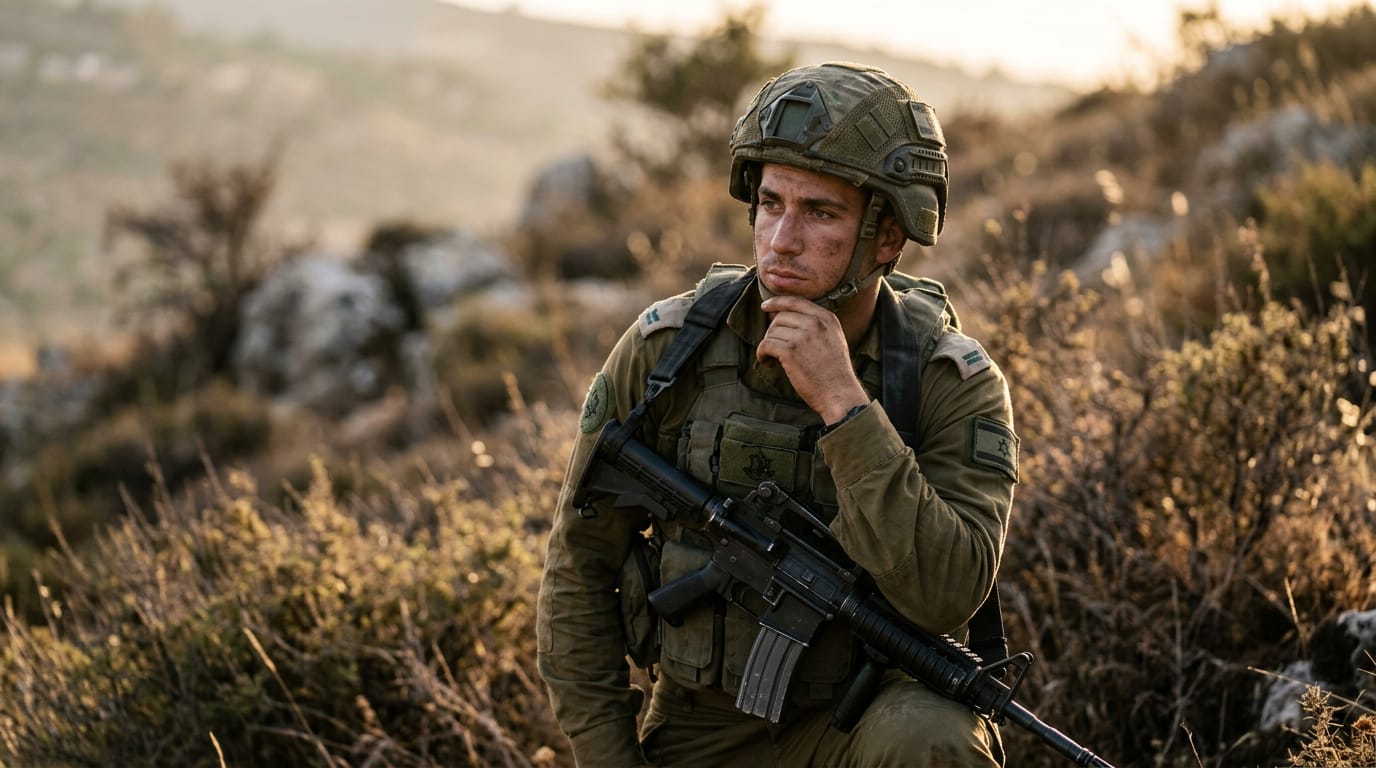
The Middle East finds itself navigating a precarious duality this week as diplomatic efforts in the Strait of Hormuz inch closer to a potential agreement, simultaneously with a deadly escalation along the Israel-Lebanon border that claimed the lives of two Israeli soldiers. These intertwined developments underscore the volatile state of a region grappling with the aftermath of recent conflicts and the persistent struggle for strategic influence, threatening to unravel fragile truces and reignite broader hostilities.
A Contested Passage: The Hormuz Horizon
After months of intense negotiations, Iran and Oman are reportedly in the final stages of drafting a landmark agreement aimed at reopening the strategically vital Strait of Hormuz. The proposed deal, emerging from talks between Tehran and Muscat, outlines a system where ships entering the Persian Gulf would navigate a route closely coordinated by Iran, while outbound vessels would utilize a passage overseen by Oman. This arrangement includes provisions for service fees, intended to cover security and maritime environmental preservation.
However, significant hurdles remain, particularly regarding the contentious issue of these fees and the extent of Iranian control. Reports indicate that Iran is seeking a charge of 5 to 7 percent of cargo value, while Oman has suggested a more modest 3 percent. The United States, a key player in the region, has voiced strong opposition to any tolls, with President Donald Trump asserting that he would not allow them. American officials have consistently maintained that they would never agree to Iran exercising control over access to this critical global waterway.
Should the agreement come to fruition as proposed, analysts suggest it would represent a substantial strategic victory for Tehran, fundamentally altering the balance of regional power that existed before the conflict. This "war launched by the United States and Israel in February" saw the Strait of Hormuz largely blockaded, causing significant disruptions to global energy markets. An interim agreement in June, intended to reopen the strait and facilitate 60 days of talks, ultimately collapsed due to escalating hostilities, underscoring the delicate nature of these ongoing negotiations.
The Lifeline of Global Energy: Why Hormuz Matters
The Strait of Hormuz is recognized as one of the world's most critical maritime chokepoints, a narrow passage connecting the Persian Gulf with the Gulf of Oman and the Arabian Sea. Its strategic importance is immense, serving as the sole sea passage for a significant portion of the world's energy supply. Annually, approximately 20 to 25 percent of the global seaborne oil trade and about 20 percent of liquefied natural gas (LNG) pass through this strait. Major energy-exporting nations such as Saudi Arabia, Iraq, Kuwait, the United Arab Emirates, and Qatar heavily rely on this corridor.
Disruptions in the Strait of Hormuz have far-reaching implications, capable of triggering severe supply shortages and impacting international energy markets and geopolitical stability. Nations like China, India, Japan, and South Korea are particularly dependent on this route for crude oil imports, accounting for a substantial share of its traffic. The strait's vulnerability has been a recurring concern during Middle East conflicts, and its closure during the recent five-month war between Iran and the United States sent shockwaves through global energy markets. The current diplomatic push seeks to stabilize this crucial artery, but the lingering disagreements highlight the complexities of achieving lasting peace in a region defined by its strategic energy resources.
Renewed Violence on the Lebanese Border
Amidst the diplomatic maneuvering over Hormuz, tensions flared tragically on the Israel-Lebanon border this week. Two Israeli soldiers were killed and four others sustained serious injuries in southern Lebanon when an explosive device detonated inside a booby-trapped house in the village of Majdal Zoun. The incident occurred as the soldiers were conducting a search operation, marking the first Israeli fatalities since a "shaky truce" between Israel and the Iran-backed militant group Hezbollah was implemented nearly two months prior, on June 20, 2026.
In response to what it described as a violation of the ceasefire, the Israeli military initiated strikes in southern Lebanon. These retaliatory actions included issuing evacuation warnings to residents of the village of Mansouri, a measure not seen in weeks. Lebanon's Health Ministry reported casualties on its side, with one person killed and 12 wounded in an Israeli strike in Tebnine, and another eight wounded in overnight strikes on Burj al-Shemali. There was no immediate statement from Hezbollah following the incident.
A Lingering Conflict: Israel and Hezbollah
The latest escalation along the Israel-Lebanon border is rooted in a broader conflict that erupted on March 2, 2026, when Hezbollah launched rockets into Israel, two days after the United States and Israel had reportedly commenced attacks on Iran. This marked a significant intensification of hostilities that have deeply affected both nations. Since March, Israeli strikes in Lebanon have resulted in over 4,000 deaths, including hundreds of civilians. On the Israeli side, approximately 40 soldiers and three civilians have been killed in the same period.
The conflict between Israel and Hezbollah is part of a long-running dispute, often fueled by regional dynamics. Tensions significantly spiked in October 2023 following Hamas's attack on Israel and the subsequent Israeli military campaign in Gaza. Hezbollah, sharing a common objective of armed resistance against Israel, voiced support and launched rockets across the border, sparking fears of a wider regional conflict.
Efforts to de-escalate have been ongoing, with Lebanese and Israeli negotiators meeting in Rome to discuss the implementation of a US-brokered security arrangement from June 26. This framework proposed an Israeli withdrawal from areas occupied in southern Lebanon in exchange for Hezbollah's disarmament. However, Hezbollah has consistently rejected the condition of disarmament, leading to the continued presence of Israeli forces in southern Lebanon and perpetuating a cycle of cross-border skirmishes and military operations.
A Region on the Brink
The dual narratives unfolding in the Middle East – the hopeful, yet complicated, prospect of a Hormuz deal and the immediate, deadly reality of renewed conflict in Lebanon – paint a picture of a region in constant flux. The interconnectedness of these events is undeniable; an unresolved "Iran war" fuels proxy conflicts, while border skirmishes threaten to derail broader diplomatic achievements. As negotiators work to finalize the Hormuz agreement, the recent loss of life in Lebanon serves as a stark reminder of the fragile peace and the profound human cost of enduring geopolitical rivalries. The path to stability in the Middle East remains fraught with challenges, demanding delicate diplomacy and a careful balancing act to prevent localized incidents from igniting a wider conflagration.


