Middle East Rocked as Iran Retaliates After Supreme Leader Khamenei's Death in US-Israeli Strikes
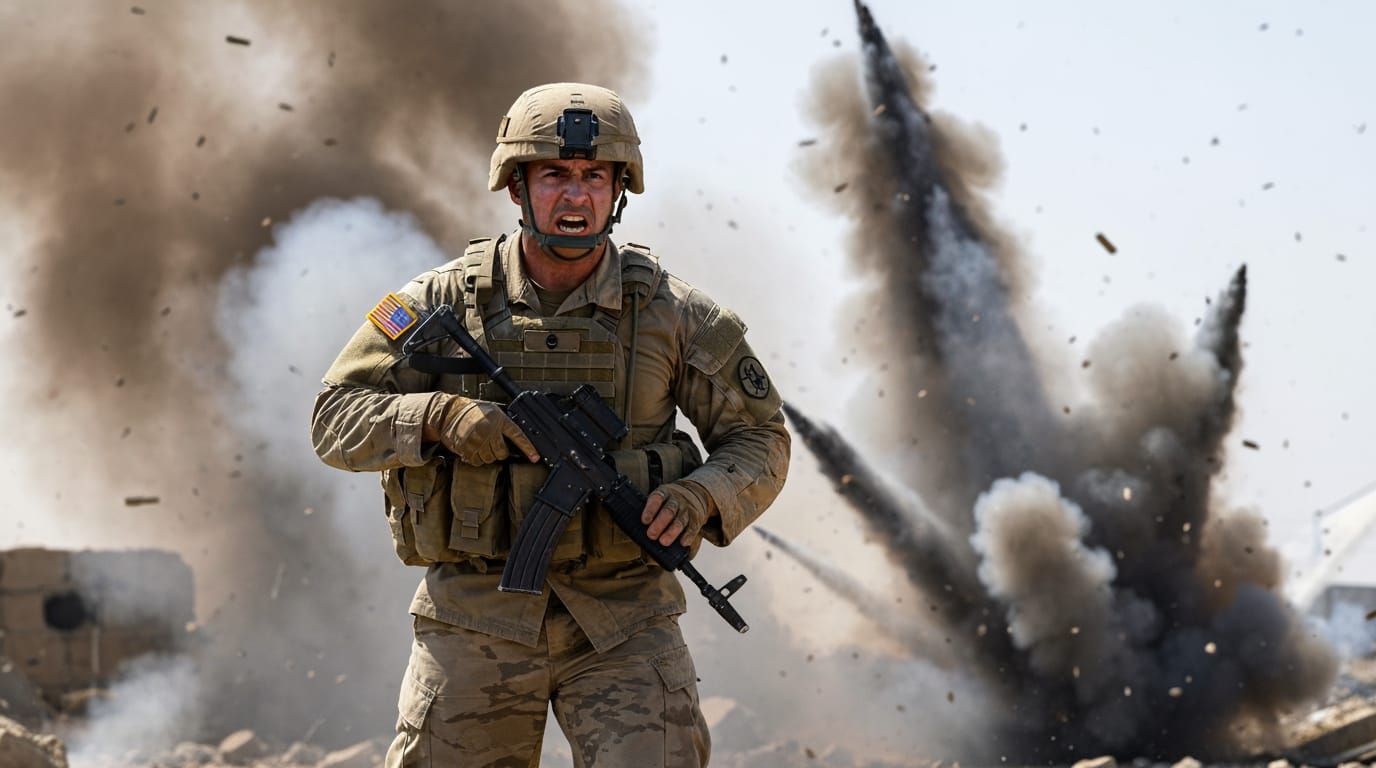
TEHRAN, Iran – The Middle East has plunged into an unprecedented crisis following the confirmed death of Iran's Supreme Leader Ayatollah Ali Khamenei in a series of coordinated US and Israeli airstrikes, prompting immediate and widespread retaliatory missile and drone attacks by Tehran on American military installations across the region and targets within Israel. The demise of the 86-year-old leader, who had governed Iran for over three decades, marks a seismic shift in regional power dynamics and ignites fears of a broader conflict as Iran vows a "most ferocious offensive operation in history."
The Fall of a Supreme Leader
Ayatollah Ali Khamenei, the spiritual and political paramount leader of Iran since 1989, was confirmed dead on Saturday after what Iranian state media described as US and Israeli attacks. State television announced his martyrdom, with an anchor expressing visible emotion as the news was delivered to the nation. Reports indicate Khamenei was killed in an Israeli airstrike on his Tehran compound, with Israeli security officials confirming his body was recovered from the rubble. U.S. officials, while initially stating they lacked immediate confirmation, later acknowledged his death. President Donald Trump publicly announced Khamenei's death on social media, claiming it offered "the single greatest chance for the Iranian people to take back their Country." The attacks, which also reportedly killed several high-ranking Iranian officials and Islamic Revolutionary Guard Corps (IRGC) commanders, were part of what the US and Israel termed "major combat operations" targeting military and governmental sites across Iran.
Iran Unleashes Retaliatory Barrage
In response to the killing of its Supreme Leader, Iran launched a new wave of extensive missile and drone strikes on Sunday, targeting US military bases across the Middle East and critical infrastructure in Israel. Iranian state media reported that 27 US bases in the region, along with Israel's military headquarters and a defense industries complex in Tel Aviv, were among the targets. The Islamic Revolutionary Guard Corps (IRGC) declared that the armed forces "will not allow the sound of the alarm sirens" in Israel and the United States to cease, vowing the "most devastating offensive operation" in their history.
Loud explosions and air raid sirens were reported across several Gulf states, including Dubai, Doha, Bahrain, and Kuwait, all hosting US military installations or allied with the United States. The US Navy's 5th Fleet headquarters in Bahrain was reportedly targeted, and the Abdullah Mubarak naval base in Kuwait was hit by ballistic missiles and drones, resulting in significant infrastructure damage and casualties among American forces. Reports also indicated strikes against a ship carrying ammunition for US vessels at the Jebel Ali anchorage and a combat support ship in the Indian Ocean. Explosions were heard near Erbil airport in Iraq, which hosts US-led coalition troops. The widespread nature of these attacks underscores Tehran's determination to project strength and exact revenge following the unprecedented assault on its leadership.
International Reactions and Diplomatic Fallout
The escalating hostilities have triggered global alarm and condemnation. President Trump, after confirming Khamenei's death, suggested that diplomacy with Iran would now be "much easier," while urging Iranians to "take over" their government, calling it "probably your only chance for generations." Israeli Prime Minister Benjamin Netanyahu had earlier indicated "many signs" of Khamenei no longer being alive, with Israeli officials later confirming his death.
The United Nations Secretary-General Antonio Guterres addressed an emergency Security Council meeting, stating he was "not in a position to confirm" Khamenei's death but acknowledged reports of US-Israeli strikes hitting 20 Iranian cities. International travel has been severely disrupted, with major airports in the region suspending services, and several countries issuing travel advisories for the Middle East. Saudi Arabia reported repelling Iranian attacks on its capital and eastern region, while Iraq and the United Arab Emirates closed their airspace. Protests erupted near Baghdad's Green Zone, with demonstrators clashing with security forces amid anger over Khamenei's death and Iran-backed Iraqi groups vowing to attack US bases.
Iran's Future: Transition and Uncertainty
With Khamenei's death, Iran has declared 40 days of national mourning and a seven-day public holiday. A transitional leadership council, comprising Iran's President, the head of the judiciary, and one of the Guardian Council's jurists, has been announced to temporarily assume all leadership duties, as stipulated by Iran's constitution. Mohammad Mokhber, an aide to the late Supreme Leader, confirmed this interim arrangement.
The passing of a figure who had been at the helm for so long creates significant uncertainty for Iran's political future and its direction, particularly amidst widespread attacks and domestic upheaval. While some witnesses in Tehran reportedly celebrated the news of his death, reports from the Red Crescent indicated more than 200 deaths and 747 injuries in daylong attacks across 24 Iranian provinces preceding the leadership confirmation. The question of Khamenei's successor looms large, with no designated heir, further complicating an already volatile situation.
The audacious US-Israeli strikes and Iran's swift, retaliatory actions have irrevocably altered the geopolitical landscape of the Middle East. The region, already a tinderbox of tensions, now faces a prolonged period of instability and the terrifying prospect of a wider conflict, with the international community watching with bated breath as events unfold.


