Middle East Teeters on Brink as Israel Pounds Lebanon, Iran Threatens Broader Conflict
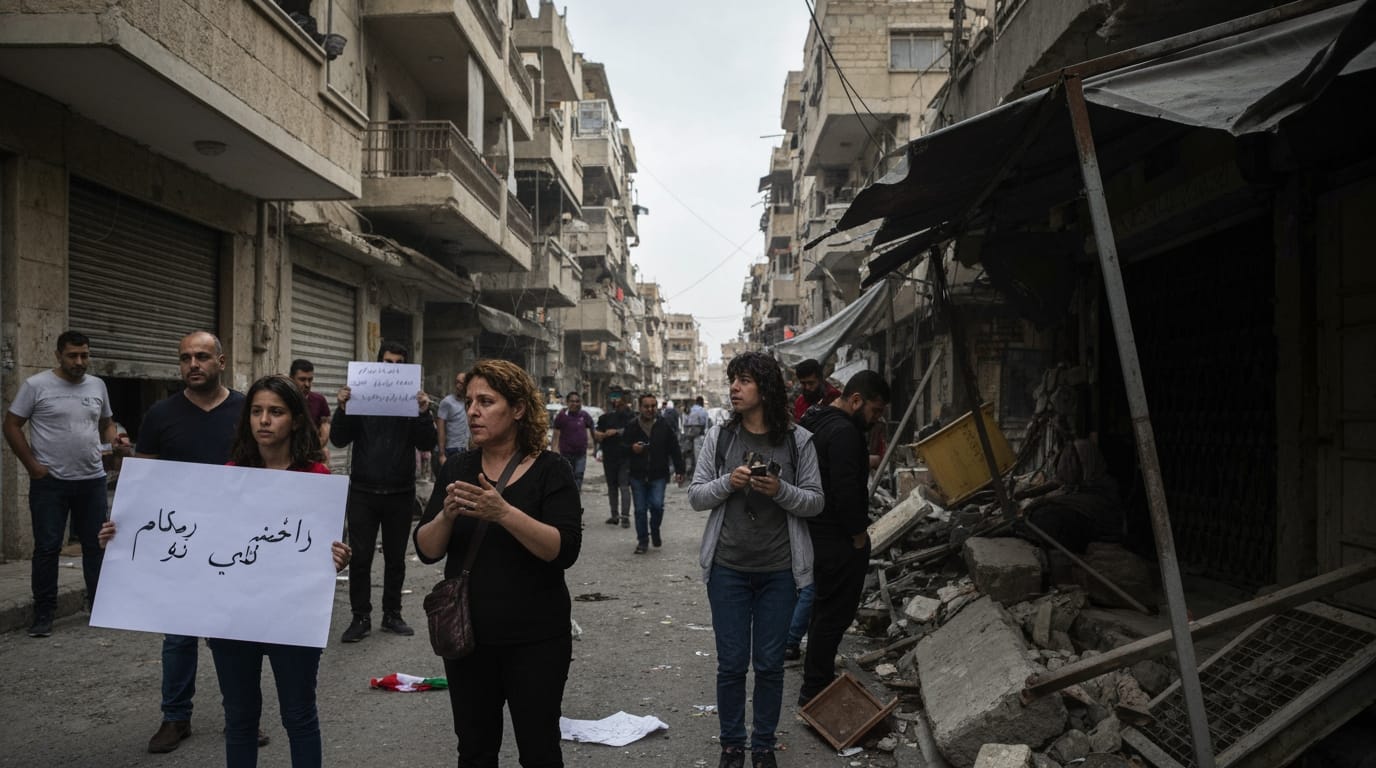
Beirut, Lebanon – A fragile Middle East peace is under severe strain following an unprecedented barrage of Israeli airstrikes across Lebanon, triggering stark warnings from Iran that could unravel a recently announced ceasefire. The coordinated Israeli offensive, described as the most significant in the ongoing conflict, inflicted heavy casualties and widespread destruction in civilian areas of Beirut and southern Lebanon, prompting international outcry and intensifying fears of a wider regional war.
The latest escalation marks a perilous new chapter in the protracted struggle, with the immediate implications of Israel’s assertive military actions clashing directly with Iran’s unwavering support for its Lebanese proxy, Hezbollah. The humanitarian toll continues to mount rapidly, with significant displacement and loss of life further destabilizing an already volatile region.
Devastating Strikes Shatter Lebanese Capital
On April 8, 2026, Israel unleashed a series of intense, coordinated airstrikes across Lebanon, targeting central Beirut, the country's southern regions, and the eastern Bekaa Valley. The offensive was characterized by Israel as its "largest coordinated strike" in the current conflict, reportedly hitting over 100 Hezbollah targets within a mere 10 minutes. Lebanese health authorities reported at least 182 fatalities and 890 injuries on that single day, marking it as the deadliest period in the Israel-Hezbollah conflict. Another account indicated at least 254 people were killed and 837 wounded.
Witnesses described black smoke towering over parts of Beirut, with commercial and residential areas struck without prior warning, leading to panic among residents. Ambulances raced through the streets as explosions interrupted the city's usual bustle, leaving behind charred vehicles and flaming wreckage. Israeli military officials stated the strikes were part of a new operation named "Eternal Darkness" and aimed to eliminate Hezbollah targets, including a commander in Beirut. They also claimed to have largely dismantled Iran's air defenses and missile launching capabilities in earlier operations. These actions have drawn strong condemnation, with the International Committee of the Red Cross expressing "outrage" at the "devastating death and destruction" in densely populated civilian areas.
A Ceasefire in Dispute: Lebanon's Exclusion Sparks Tension
The Israeli escalation occurred just as a tentative ceasefire between the United States and Iran had reportedly taken effect. However, a significant point of contention immediately emerged regarding its scope. Iran and mediator Pakistan asserted that the agreement encompassed Lebanon. Conversely, U.S. President Donald Trump and Israeli Prime Minister Benjamin Netanyahu unequivocally declared that Lebanon was not included in the ceasefire due to the presence of the Iran-backed militant group Hezbollah.
Prime Minister Netanyahu reiterated Israel's intention to "continue to strike" Hezbollah, framing the operations in Lebanon as a "separate skirmish" outside the terms of the broader truce with Iran. This differing interpretation has been a critical flashpoint, with Iranian officials accusing the U.S. and Israel of violating the ceasefire terms. The U.S. supported Israel's stance, with White House spokespersons affirming that the ceasefire did not extend to the conflict with Hezbollah in Lebanon.
Iran's Dire Warnings and "Axis of Resistance"
In response to the intensified Israeli military actions in Lebanon, Iran has issued severe warnings, threatening significant repercussions and potential abandonment of the fragile ceasefire. Iranian officials cautioned that Tehran might withdraw from the truce if the "aggression" against Lebanon persists. Earlier statements from Iran's foreign ministry spokesman warned of "unforeseen consequences" and a broader "scope of instability, insecurity, and war in the region" should Israel pursue further military "adventures" in Lebanon.
Iran has long championed its "axis of resistance," a network of anti-Israel armed groups that includes Hezbollah in Lebanon, Hamas in Gaza, and the Houthi rebels in Yemen. A senior adviser to Iran's supreme leader reaffirmed the country's commitment to "resolutely support" Hezbollah in its efforts against Israel. More forcefully, Iran has threatened an "obliterating war" or "war of annihilation" if Israel initiates a major military assault on Lebanon. This rhetoric underscores Iran's perceived red line regarding Hezbollah's position and influence in Lebanon, indicating that continued Israeli pressure on its proxy could trigger a more direct and extensive regional confrontation. Iranian state media has also made unverified claims about the closure of the Strait of Hormuz, though U.S. officials have refuted these reports, demanding the strait remain open.
Humanitarian Crisis Deepens Amid Regional Instability
The ongoing hostilities have exacerbated an already dire humanitarian situation in Lebanon. Over the 14-month conflict period preceding the latest escalation, more than 4,000 people had been killed and nearly a million displaced across the country. The recent April 8 strikes dramatically increased these figures, leading to urgent calls for international aid and protection for civilians. The United Nations reported that 1.1 million Lebanese had been displaced since early March 2024, with that number expected to rise following the intensive Israeli airstrikes.
The international community has reacted with alarm to the escalating violence. World leaders and organizations, including the UN, the UK, Qatar, and Russia, have voiced serious concerns, urging de-escalation and warning of "unimaginable consequences" and the potential for a "full-fledged war." There have been renewed calls for adherence to UN Security Council Resolution 1701, which mandates Hezbollah's withdrawal north of the Litani River and the deployment of Lebanese Armed Forces and UNIFIL peacekeepers in the border zone. However, the implementation of a previous ceasefire agreement in November 2024 proved fragile, with Israel not fully withdrawing its forces and Hezbollah refusing to disarm north of the Litani River, contributing to the persistent insecurity.
Precipice of Wider Conflict
The current situation represents a critical juncture for regional stability. The immediate and devastating impact of Israel's strikes on Lebanon, coupled with the conflicting interpretations of the U.S.-Iran ceasefire, has pushed an already volatile region closer to the precipice of a broader conflict. Iran's firm threats to abandon the truce and engage in a more extensive confrontation highlight the deeply interconnected nature of the various regional flashpoints.
As diplomatic efforts struggle to contain the spiraling violence, the humanitarian cost continues to rise, and the risk of miscalculation remains exceptionally high. The delicate balance of power in the Middle East is now more precarious than ever, with the urgent need for genuine de-escalation and a comprehensive political solution paramount to avert a catastrophic regional war.


