Middle East Tourism Boom Faces Headwinds Amid Escalating Regional Tensions
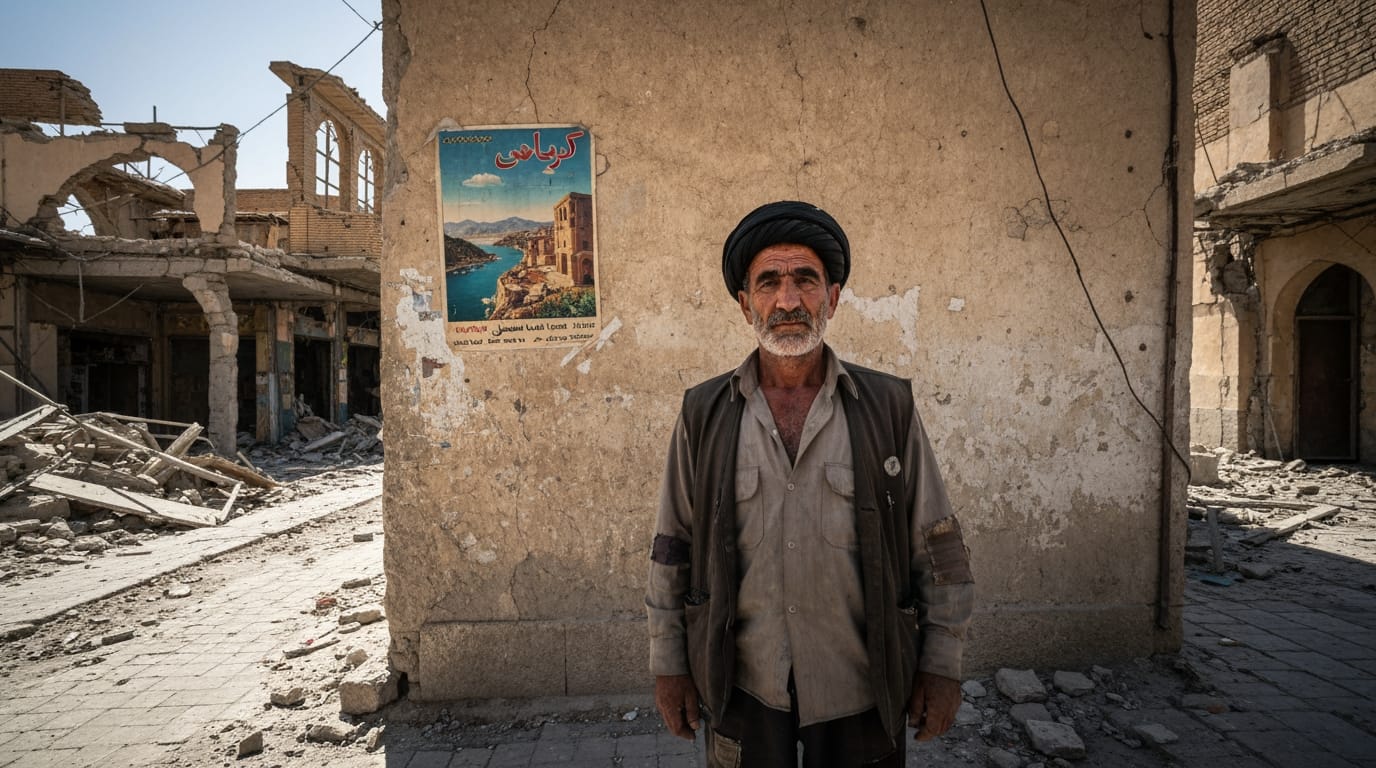
A burgeoning tourism industry across the Middle East, once on a trajectory to become a global powerhouse, now finds itself navigating treacherous geopolitical waters. A rapid post-pandemic recovery, fueled by massive investments and ambitious national visions, has collided with escalating regional tensions, primarily stemming from the Israel-Hamas conflict, broader US-Israel-Iran dynamics, and disruptions in the Red Sea. This instability has introduced significant uncertainty, raising questions about the sustainability of the region's tourism boom and its economic implications.
The Era of Unprecedented Growth
Prior to October 2023, the Middle East was experiencing a remarkable tourism resurgence. The region had not only rebounded but had surpassed pre-pandemic visitor levels, distinguishing itself as the fastest-growing tourist destination globally. In 2023, the Middle East's tourism sector grew by 20% compared to pre-pandemic levels, while other parts of the world were still striving to match their 2019 figures. This robust growth was driven by strategic government initiatives, particularly Saudi Arabia's Vision 2030, and similar ambitious plans in the UAE, Qatar, and Egypt. Billions of dollars were poured into infrastructure development, mega-projects, and global marketing campaigns, aiming to diversify economies away from oil dependence.
The Gulf Cooperation Council (GCC) states showcased particularly strong performance. International tourism revenues in GCC countries reached $120.2 billion in 2024, a 39.6% increase from 2019, with international tourist arrivals reaching 72.2 million. Dubai saw 18.72 million visitors in 2024, up 9% from the previous year, while Abu Dhabi welcomed 4.8 million hotel guests through October 2024, a 26% year-over-year increase. Saudi Arabia, in particular, emerged as a beacon of resilience, reporting over 30 million international tourists in 2024, achieving its ambitious targets years ahead of schedule. Egypt also saw a tourism revival, with receipts increasing to $14.7 billion. These figures underscored a vibrant sector poised for continued expansion, attracting travelers with its rich heritage, luxury hospitality, and cosmopolitan appeal.
The Immediate Aftermath of Escalation
The outbreak of the Israel-Hamas conflict in October 2023, coupled with subsequent regional escalations, abruptly altered this positive trajectory. The events triggered a sharp decline in travel sentiment across the Middle East, leading to immediate and significant impacts on tourism. Flight bookings to Jordan plummeted by half, air ticket sales to Egypt decreased by one-third, and flights to Saudi Arabia saw a 67% reduction shortly after the conflict's onset. Airlines and cruise operators responded by suspending certain routes, further disrupting travel flows.
The broader geopolitical instability, including the Red Sea crisis involving Houthi attacks on commercial shipping, exacerbated concerns about regional safety and connectivity. More than 3,400 flights with origins or destinations at major Middle Eastern airports were canceled, and airspace restrictions added complexity and cost to global aviation. Hotels in key tourism hubs such as Dubai, Doha, Abu Dhabi, Cairo, and Tel Aviv experienced a sudden collapse in bookings. Analysts estimated that the regional tourism and hospitality sector could face losses exceeding $55 billion in revenue, with a potential reduction of 23 to 38 million international visitors in 2026, depending on the duration of the instability.
Uneven Impact and Varied Resilience
The repercussions of the regional tensions have been unevenly distributed across the Middle East. Countries in closer proximity to the direct conflict zones have been hit hardest. Israel's tourism sector has effectively come to a halt, with hotel occupancy in the first six months of 2024 dropping by 81% compared to the previous year. Jordan, heavily reliant on tourism, saw its revenues decline by 2.3% in 2024, with visitor numbers falling by 3.9% from 2023. Tourist arrivals to Jordan dropped by 10% in the first quarter of 2024, with significant decreases among American and European travelers. Similarly, Lebanon and parts of Egypt have experienced notable slumps in bookings and tourism activity.
Conversely, some GCC countries have demonstrated remarkable resilience, often defying the broader regional downturn. Saudi Arabia's tourism sector continued its robust growth, attracting over 30 million international tourists in 2024. The Kingdom's focus on religious tourism to Mecca and Medina, which accounts for a significant portion of its foreign visitors and spending, appears to be less sensitive to geopolitical tensions. The UAE, including Dubai and Abu Dhabi, also maintained positive growth in visitor numbers, leveraging its status as a global aviation hub and a destination perceived as relatively safe. There has also been a "substitution effect," where travelers opting out of conflict-affected areas shifted their plans to North African destinations offering similar experiences but perceived as being further from the immediate turmoil.
Economic Stakes and Future Outlook
Tourism is a vital economic pillar for many countries in the Middle East and North Africa (MENA) region, contributing an estimated 6.7% to the Middle East's total GDP and 8.1% to North Africa's in 2023. The potential loss of billions in tourism revenue and millions of visitors represents a significant economic challenge, particularly for nations heavily invested in expanding their tourism sectors as part of diversification strategies. Beyond direct tourism income, the disruptions impact related industries such as aviation, hospitality, and logistics, with thousands of jobs at risk.
Despite the current challenges, optimism and long-term commitment to tourism development persist. Governments across the region, particularly in the Gulf states, continue to invest in infrastructure, promote diverse offerings, and implement visa facilitation measures. Leaders emphasize the role of tourism in fostering peace and dialogue, even amidst rising geopolitical complexities. While some analysts predict that full recovery for affected areas could take years, the industry has historically shown resilience in the face of previous crises. The region's ability to balance rapid growth with an adaptable approach to geopolitical shifts will determine the long-term trajectory of its ambitious tourism aspirations.
The Middle East's tourism sector stands at a critical juncture. While the pre-October 2023 boom demonstrated immense potential and successful strategic development, the current geopolitical climate poses substantial hurdles. The varied experiences across the region highlight that while some destinations exhibit resilience and continued growth, others face severe setbacks, underscoring the delicate interplay between regional stability and economic prosperity through tourism.