Milan Protests Escalate Into Clashes Near Olympic Venues Amidst Games
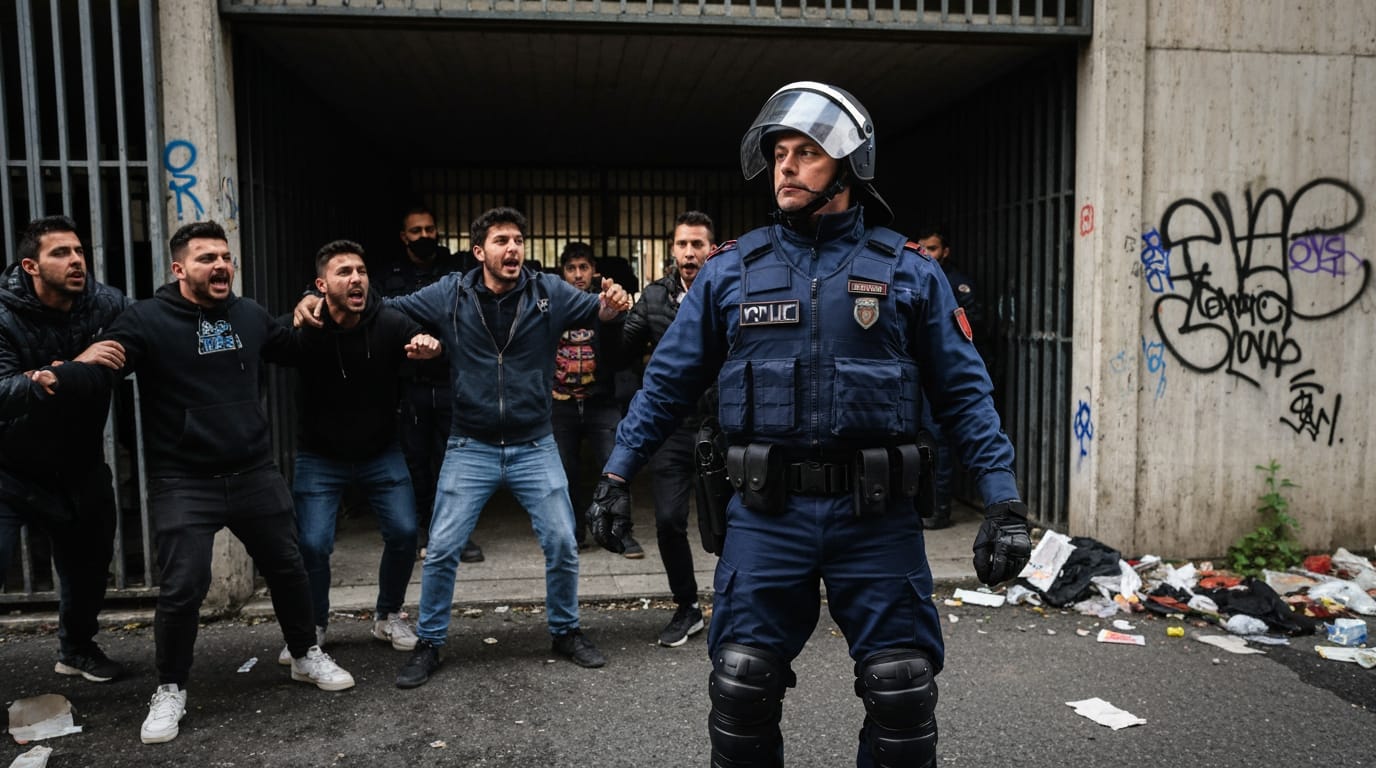
Milan, Italy – A peaceful demonstration against the environmental impact and economic burden of the 2026 Winter Olympics in Milan-Cortina culminated in clashes between police and a smaller, more aggressive faction of protesters on Saturday, February 7, 2026. The confrontation, marked by tear gas and water cannons, unfolded near key Olympic venues, including the Santagiulia ice hockey rink, and approximately half a mile from the Olympic Village housing 1,500 athletes. The incident occurred just one day after the Games' opening ceremony, casting a shadow over the initial days of the international event.
Unrest on the Sidelines: A Day of Dual Demonstrations
The day began with a large, peaceful march involving thousands of individuals, including students and families with small children, who gathered at Milan's Piazzale Medaglie D'Oro. Organized by a coalition of left-wing groups and an activist organization named the "Unsustainable Olympics Committee," the demonstration aimed to highlight concerns ranging from the environmental footprint of new Olympic infrastructure to the financial strain placed on Italian taxpayers. Protesters carried signs and chanted slogans, expressing their apprehension about the long-term legacy of the Games. However, as the peaceful assembly began to disperse, a breakaway group diverged from the main march, setting the stage for conflict.
The Spark of Conflict: From Protest to Confrontation
As the afternoon progressed, a group of masked protesters ignited smoke bombs and firecrackers on a bridge situated about 800 meters (half a mile) from the heavily secured Olympic Village. While police vans and temporary metal fences guarded the road leading to the athletes' housing, the objects thrown by demonstrators reportedly did not reach the buildings. The protest then veered towards the Santagiulia Olympic ice hockey rink, where dozens of protesters attempted to access a highway. Italian police responded with tear gas and a water cannon to repel the demonstrators, who were also observed throwing firecrackers and bottles. At least seven individuals were detained during the skirmishes, marking a sharp escalation in what was largely an otherwise orderly day of protest. Despite the disruption, authorities confirmed there was no indication that the clashes or resulting road closures impeded the transfer of athletes to their respective events, which are primarily located on the outskirts of Milan.
Behind the Grievances: Costs, Environment, and International Security
The protests underscore a complex tapestry of grievances surrounding the Milan-Cortina 2026 Winter Olympics. A primary concern for activists is the substantial environmental impact of constructing new venues and infrastructure for the Games, with many questioning the sustainability of such large-scale projects. Compounding environmental worries are fears about the economic implications, including the potential for significant public debt to be shouldered by Italian taxpayers long after the Olympic flame has been extinguished.
Adding a contentious international dimension to the local concerns was the presence of U.S. Immigration and Customs Enforcement (ICE) agents in Italy, deployed to provide security for the American delegation. This revelation stirred significant controversy even before the Games began, with Milan's Mayor, Giuseppe Sala, publicly condemning the agency's presence and labeling it a "militia that kills." Protesters echoed these sentiments, carrying signs with slogans such as "ICE out" and "Defend Minneapolis," reflecting broader international criticisms of the agency's practices. The heightened political atmosphere was palpable even at official events, with U.S. Vice President JD Vance, head of the American delegation, reportedly booed at the opening ceremony and a subsequent women's hockey match.
Broader Context and Ongoing Investigations
The protests in Milan are not isolated incidents but rather reflective of growing global tensions and skepticism surrounding major international events. Activist groups globally have increasingly used such platforms to voice diverse social, political, and environmental concerns. The "Unsustainable Olympics Committee" in Milan, for instance, represents a broad coalition of grassroots sports groups, environmental movements, students, and pro-Palestine networks, indicating a wide array of underlying issues fueling their dissent.
Adding another layer of complexity to the security landscape in northern Italy, authorities are simultaneously investigating a series of suspected railway sabotage incidents. While these incidents appear separate from Saturday's Olympic protests, they contribute to a heightened sense of vigilance and security concerns in the region.
Looking Ahead: Balancing Sport with Public Sentiment
As the Milan-Cortina 2026 Winter Olympics continue, the clashes near the Olympic Village serve as a potent reminder of the challenges host cities face in balancing the grandeur of international sporting events with the pressing concerns of their local populations and global activists. The incident highlights the intricate relationship between sports, politics, environment, and public finance, suggesting that the dialogue between organizers and critics is far from over. The coming days will likely see continued efforts by authorities to maintain security while the world watches whether the spirit of the Games can transcend the underlying tensions that marked its tumultuous start.