Minneapolis Gripped by Second Fatal Federal Shooting in Weeks, Raising Alarms Over Enforcement Tactics
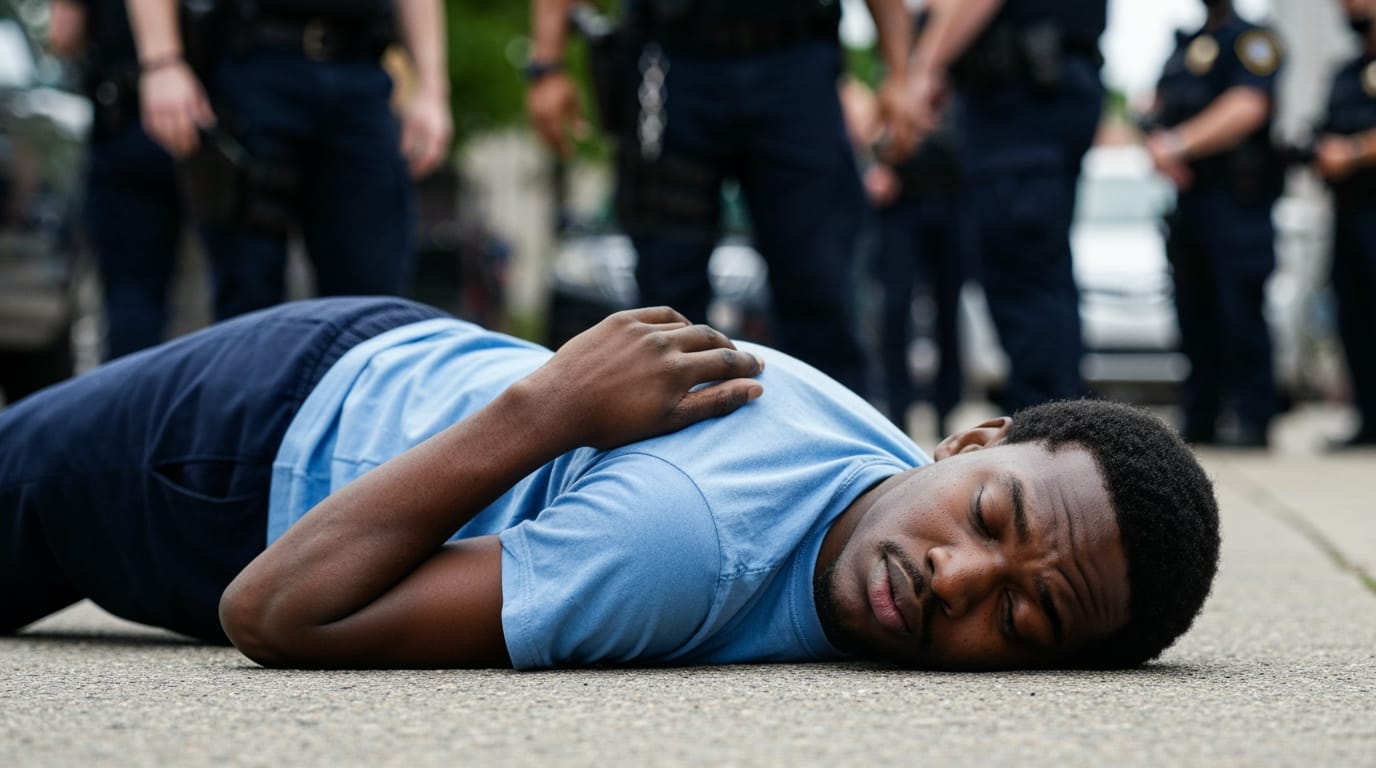
MINNEAPOLIS, MN – A 51-year-old man was shot and killed by federal immigration officers in Minneapolis on Saturday, January 24, marking the second fatal shooting involving federal authorities in the city in just over two weeks. The incident has intensified an already volatile situation, fueling widespread protests and drawing sharp condemnation from local and state officials grappling with an increased federal presence and a perceived lack of transparency.
The latest fatality comes amid escalating tensions over federal enforcement operations, which have sparked community outrage and calls for the withdrawal of agents from the city. This recent death compounds a growing crisis of trust between Minneapolis residents and federal agencies, particularly in the wake of another deadly encounter earlier this month.
Latest Fatal Encounter Sparks Immediate Outcry
Details surrounding Saturday's fatal shooting of the 51-year-old man remain fluid, but initial reports indicate the incident involved federal immigration agents. Minneapolis Police Chief Brian O'Hara confirmed the man's death shortly after the shooting and instructed his officers to preserve the scene, signaling a commitment to a thorough investigation. The brevity of official statements has left many questions unanswered, mirroring concerns raised in previous federal-involved shootings in the city.
Minnesota Governor Tim Walz swiftly reacted to the news, expressing his dismay on social media. Walz described the shooting as "sickening" and directly appealed to President Donald Trump to halt the ongoing immigration crackdown in the state. "Minnesota has had it. This is sickening," Walz stated, demanding the immediate removal of what he characterized as "thousands of violent, untrained officers" from Minnesota. The city of Minneapolis also issued a statement acknowledging the incident and urged the public to remain calm while authorities worked to gather more details.
A Pattern of Deadly Force: The Renee Good Case
This latest tragedy follows closely on the heels of another fatal shooting on January 7, when a 37-year-old woman, Renee Good, a U.S. citizen and mother of three, was killed by an Immigration and Customs Enforcement (ICE) agent. The incident, which occurred in south Minneapolis, ignited a firestorm of protests and widespread calls for accountability.
Eyewitness accounts of Good's shooting painted a chaotic scene, with conflicting orders given to the driver. One witness reported seeing ICE agents trying to free a vehicle stuck in a snowbank when Good drove her car perpendicular to traffic. While one agent allegedly told her to leave, another reportedly yelled for her to exit her car, grabbing her door handle. A federal agent then reportedly fired multiple shots into her vehicle, striking her, causing her to accelerate and crash into a telephone pole.
The investigation into Good's death has been marred by controversy. Initially, the Minnesota Bureau of Criminal Apprehension (BCA) was conducting a joint investigation with the FBI, but the FBI later "reversed course," denying the BCA access to critical case materials, scene evidence, and investigative interviews. This decision prompted Governor Walz to publicly express doubts about the potential for a "fair outcome" in the investigation. A senior Department of Homeland Security official identified the agent involved as a member of the ICE Enforcement and Removal Operations (ERO) Special Response Team.
Escalating Federal Presence Fuels Local Anxiety
The recent string of federal officer-involved shootings is set against a backdrop of intensified federal immigration enforcement activities across Minneapolis. Authorities have described the broader operations as part of the "Trump administration's immigration crackdown." This surge in federal presence has not only led to deadly encounters but also to other incidents that have heightened community fear and distrust.
Earlier in January, another federal officer shot a Venezuelan national in the leg during an arrest attempt. The individual reportedly fled a targeted traffic stop, crashed a vehicle, and then allegedly attacked the officer along with two others using a shovel and broom handle. The officer fired in self-defense, injuring the man. While not fatal, this incident further underscores the aggressive nature of recent federal operations and the potential for violent confrontations.
The U.S. Marshals Service was also involved in a significant incident in June 2021, when Winston Smith, a 32-year-old Black American man, was fatally shot by a task force during an arrest attempt. That case was notable for the absence of body camera footage, which fueled protests and led to local police agencies temporarily withdrawing support from the Marshals Service task force. While distinct from the recent immigration-related incidents, the Smith shooting highlighted long-standing concerns about transparency and accountability in federal law enforcement actions in Minneapolis.
Community Demands Accountability and Change
The cumulative effect of these incidents has ignited a strong and sustained response from the Minneapolis community and its leadership. Thousands of demonstrators have taken to the streets, protesting federal tactics and demanding that immigration enforcement agents leave the city and state immediately. These protests have included calls for an "Ice Out of Minnesota: Day of Truth and Freedom" demonstration, where businesses shuttered and people called out of work to voice their opposition.
Minneapolis Mayor Jacob Frey has been outspoken in his criticism, stating that "The presence of federal immigration enforcement agents is causing chaos in our city" and explicitly demanding that ICE depart. Community organizers have staged "nonviolent emergency protests," and residents have expressed feeling "terrorized" by the increased federal activity. The consistent message from local leaders and residents alike is a demand for greater transparency, accountability, and a re-evaluation of federal law enforcement strategies that are perceived as destabilizing the community.
A City on Edge
As Minneapolis grapples with the aftermath of its second fatal federal officer-involved shooting in weeks, the city remains on edge. The ongoing investigations, particularly the controversial handling of the Renee Good case, continue to raise questions about justice and due process. The lack of independent oversight and video evidence in some federal operations exacerbates public distrust and contributes to the cycle of unrest.
The fundamental tension between federal enforcement mandates and local community values is at the forefront, creating a deeply fractured environment. Calls for policy changes, improved de-escalation training, and a re-examination of the scope and nature of federal operations in local jurisdictions are growing louder. Until these deep-seated issues are addressed, Minneapolis appears poised to remain a flashpoint in the national conversation about law enforcement, federal authority, and civil liberties.


