Modi Hosts Vance for Crucial Trade Talks Amid Tariff Concerns
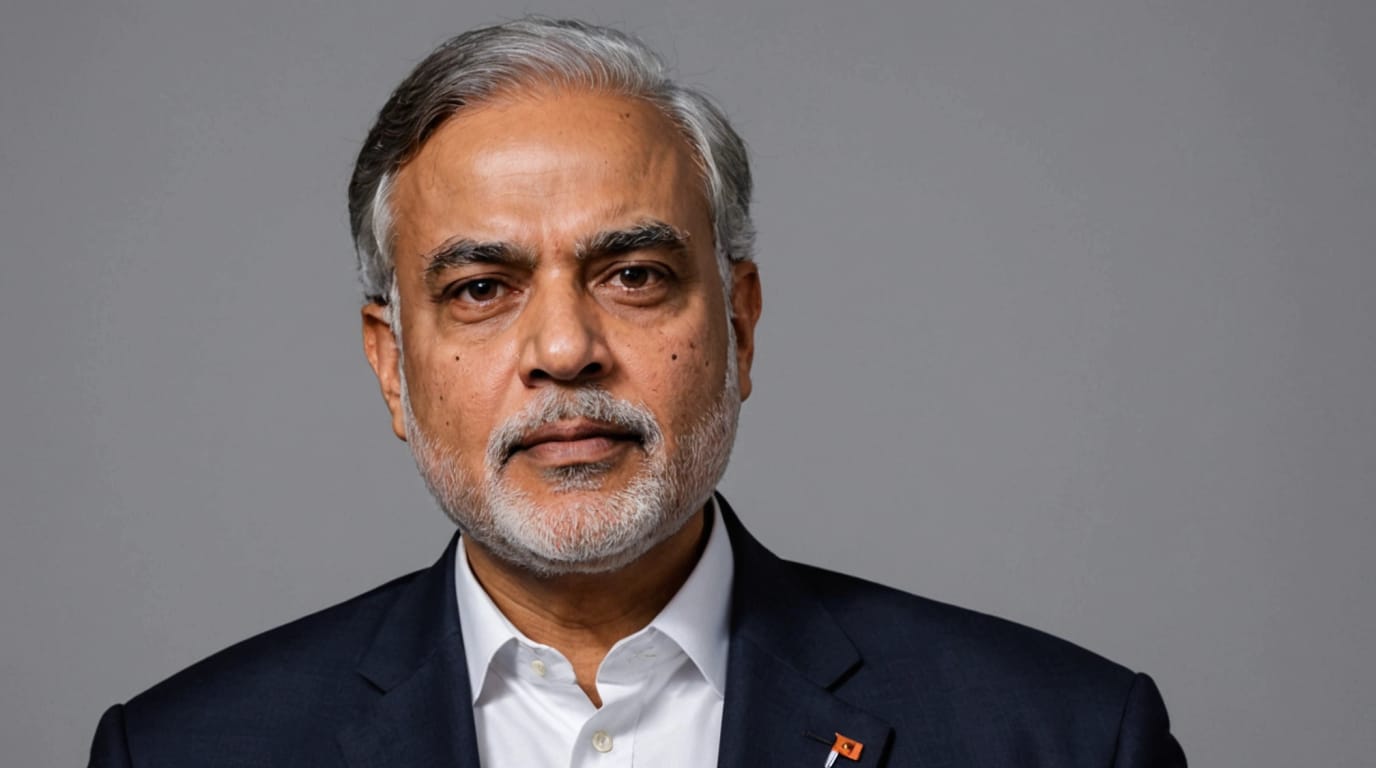
NEW DELHI – Prime Minister Narendra Modi is set to host U.S. Vice President J.D. Vance for high-stakes trade talks, as the American leader begins a four-day visit to India. The meeting comes at a critical juncture, with both nations seeking to solidify a bilateral trade agreement amid lingering concerns over tariffs and market access. Vance's visit, his first to India since assuming office, underscores the strategic importance Washington places on its relationship with New Delhi.
Focus on Trade Agreement
The primary focus of the discussions between Modi and Vance will be the early finalization of a comprehensive bilateral trade agreement. Negotiations between India and the U.S. have been ongoing for some time, with both sides aiming to reduce trade barriers and increase economic cooperation. Key areas of discussion are expected to include tariff reductions, improved market access for agricultural products, and intellectual property rights. The two leaders will likely explore ways to bridge existing gaps and accelerate the negotiation process.
Trump-Era Tariffs Loom
The backdrop of the meeting is further complicated by the shadow of former President Donald Trump's tariff policies. While the sweeping tariffs imposed by the Trump administration on various countries, including India, have been temporarily paused for 90 days, the possibility of their reinstatement continues to cast a shadow over trade relations. Vance is expected to address these concerns and reassure India of the U.S.'s commitment to a fair and balanced trade relationship. The Indian side will likely seek assurances that the U.S. will refrain from imposing further tariffs and work towards a more predictable trade environment.
Defense Cooperation on the Agenda
Beyond trade, defense cooperation is also expected to feature prominently in the discussions. The U.S. has been actively encouraging India to purchase more American defense equipment, as part of a broader strategy to deepen strategic ties and counter China's growing influence in the Indo-Pacific region. Vance is likely to reiterate this call, highlighting the advanced capabilities of U.S. defense systems and their suitability for India's security needs. India, on the other hand, may seek technology transfer and co-production opportunities as part of any defense deals, aligning with its "Make in India" initiative.
A Family Affair
Vance is accompanied on his trip by his wife, Usha Vance, who is of Indian origin, and their three children. This personal touch is seen as an effort to strengthen the cultural and people-to-people ties between the two countries. The family's itinerary includes visits to cultural landmarks such as the Swaminarayan Akshardham temple in Delhi, the Taj Mahal in Agra, and the Rambagh Palace in Jaipur. These visits are intended to provide the Vance family with a deeper understanding of India's rich heritage and diversity. Modi will host a dinner for the Vance family and the accompanying U.S. officials, further emphasizing the importance of the relationship.
Broader Implications for India-U.S. Relations
Vance's visit is significant not only for the specific issues under discussion but also for its broader implications for the India-U.S. relationship. The two countries have been steadily building closer ties in recent years, driven by shared strategic interests and a growing convergence of values. This partnership is seen as crucial for maintaining stability and promoting prosperity in the Indo-Pacific region. The success of the trade talks and the deepening of defense cooperation would further solidify this relationship, sending a strong signal to the world about the strength and resilience of the India-U.S. partnership.
Conclusion
As Vice President Vance engages in crucial discussions with Prime Minister Modi, the stakes are high for both nations. The outcome of these talks will not only shape the future of bilateral trade but also influence the broader strategic landscape in the Indo-Pacific. With both sides committed to strengthening their partnership, there is optimism that the visit will pave the way for a more robust and mutually beneficial relationship between India and the United States. The world will be watching closely to see if these discussions yield a breakthrough in trade negotiations and further solidify the bonds between these two global powers.


