Molotov Cocktail Attack on Sam Altman's Home Signals Escalating Tensions in AI Landscape
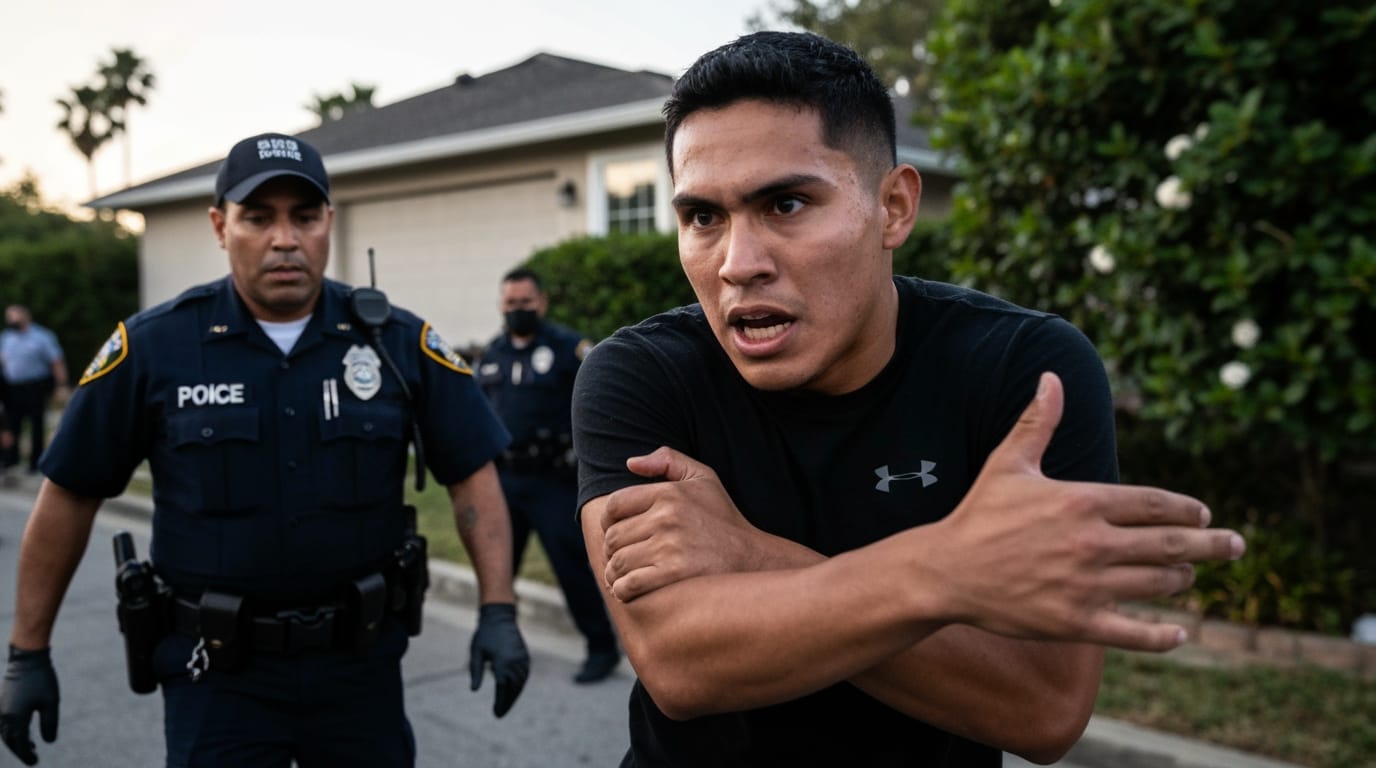
San Francisco, CA – The home of OpenAI CEO Sam Altman, a pivotal figure in the burgeoning artificial intelligence industry, was targeted early Friday morning in a Molotov cocktail attack, leading to the swift arrest of a 20-year-old man. The incident, which caused minimal damage and no injuries, sent ripples through the tech community, underscoring growing anxieties and security challenges faced by leaders at the forefront of rapidly advancing technologies. Police apprehended the suspect shortly after the attack, linking him to subsequent threats made at OpenAI's San Francisco headquarters.
The pre-dawn assault on Altman's Russian Hill residence near Chestnut and Jones streets occurred around 4:12 a.m. local time, when an incendiary device, identified by authorities and OpenAI as a Molotov cocktail, was thrown at the exterior gate of the property. Despite the serious nature of the weapon, the fire was contained, resulting only in minimal damage to the gate. Thankfully, no one was harmed during the incident. An hour later, at approximately 5:07 a.m., San Francisco Police Department officers responded to reports of a man threatening to burn down a building on the 1400 block of Third Street, the location of OpenAI's headquarters in Mission Bay. Officers quickly recognized the individual as the same suspect from the earlier attack on Altman's home and promptly took him into custody. The identity of the arrested individual has not yet been publicly released, and charges remain pending as the investigation continues. OpenAI confirmed the incident, with spokesperson Jamie Radice stating the company was assisting law enforcement and expressed deep appreciation for the SFPD's rapid response, which helped ensure the safety of their employees.
Sam Altman, born on April 22, 1985, has become one of the most recognized and influential personalities in the technology sector, particularly through his leadership at OpenAI. A native of Chicago who grew up in St. Louis, Altman exhibited an early aptitude for technology, receiving his first computer at age eight. He briefly attended Stanford University, studying computer science before dropping out to co-found Loopt, a location-based social networking service, in 2005. His entrepreneurial journey continued with a significant tenure at Y Combinator, the renowned startup accelerator, where he served as president from 2014 to 2019, mentoring countless startups and solidifying his reputation as a formidable force in Silicon Valley. In 2015, Altman co-founded OpenAI with a vision to "advance digital intelligence in the way that is most likely to benefit humanity as a whole, unconstrained by a need to generate financial return." He assumed the role of CEO in 2019, guiding the organization to global prominence, most notably with the launch of ChatGPT, which has rapidly democratized access to advanced generative AI. Under his leadership, OpenAI has grown into a titan of the AI world, with a reported valuation seeking $500 billion and hundreds of millions of weekly ChatGPT users as of August 2025. His financial success mirrors his professional influence, with an estimated net worth of $3.3 billion as of March 2026, stemming from his investments in companies like Reddit and Stripe, alongside his OpenAI ventures.
The incident at Altman's home occurs amidst heightened scrutiny and public debate surrounding artificial intelligence, a field characterized by both immense promise and profound ethical concerns. Public sentiment towards generative AI technology has shown increasing skepticism, with a recent Gallup poll indicating a significant drop in hopefulness among young people and a rise in those feeling "angry" about AI. This polarization is not new for OpenAI or Altman. The company has faced periodic protests outside its headquarters, including one as recently as last month, and its San Francisco office experienced a lockdown in November following a violent threat from an activist. Altman himself has been under significant scrutiny, with a recent New Yorker article publishing criticisms regarding his leadership and transparency, touching upon his brief ousting by OpenAI's board in 2023 and subsequent reinstatement. Furthermore, OpenAI's controversial decision to enter into an agreement with the Pentagon to deploy its AI systems across the military has also drawn considerable backlash, intensifying the spotlight on the company and its CEO. These accumulated tensions form a complex backdrop against which Friday's violent act unfolded, suggesting a potential nexus between public anxieties about AI and the targeting of its most visible proponents.
The Molotov cocktail attack on the home of a prominent tech CEO marks a disturbing escalation in the expression of discontent within the technology sphere, shifting from verbal criticism and organized protests to a direct act of violence. This incident raises significant questions about the security protocols for high-profile figures in rapidly evolving and often contentious industries like AI. The perceived stakes of artificial intelligence development, encompassing economic disruption, societal impact, and existential risks, have cultivated an environment where extreme reactions, while rare, are not entirely unforeseen. This climate necessitates a re-evaluation of how tech leaders and their organizations can navigate public fear and ethical dilemmas while ensuring the safety of individuals. The targeting of a private residence also signifies a worrying breach of personal space, potentially chilling open discourse and collaboration on critical technological advancements.
As the San Francisco Police Department continues its investigation, the motivations behind this specific attack remain officially under wraps. The 20-year-old suspect is currently in custody, facing serious charges related to the use of an incendiary device and making threats. The legal proceedings will undoubtedly shed more light on the individual's reasons, but the broader implications for the tech industry are already clear. This event serves as a stark reminder that the advancements in artificial intelligence, while transformative, are not occurring in a vacuum. They are deeply intertwined with societal concerns, ethical considerations, and passionate public opinion, occasionally manifesting in alarming ways that demand heightened vigilance and proactive engagement from all stakeholders.
The physical assault on Sam Altman's home represents a profound shift in the landscape of tech activism and dissent. It underscores the immense pressure and sometimes dangerous environment faced by leaders steering the course of technologies that evoke both immense hope and profound fear. As AI continues to reshape industries and societies globally, this incident highlights the imperative for robust security measures, alongside continued efforts to foster transparent dialogue and address public concerns, lest such acts of violence become an increasingly disturbing feature of the AI age.


