Hungarian Election Heats Up: Orbán and Opposition Trade Blows in Crucial Contest
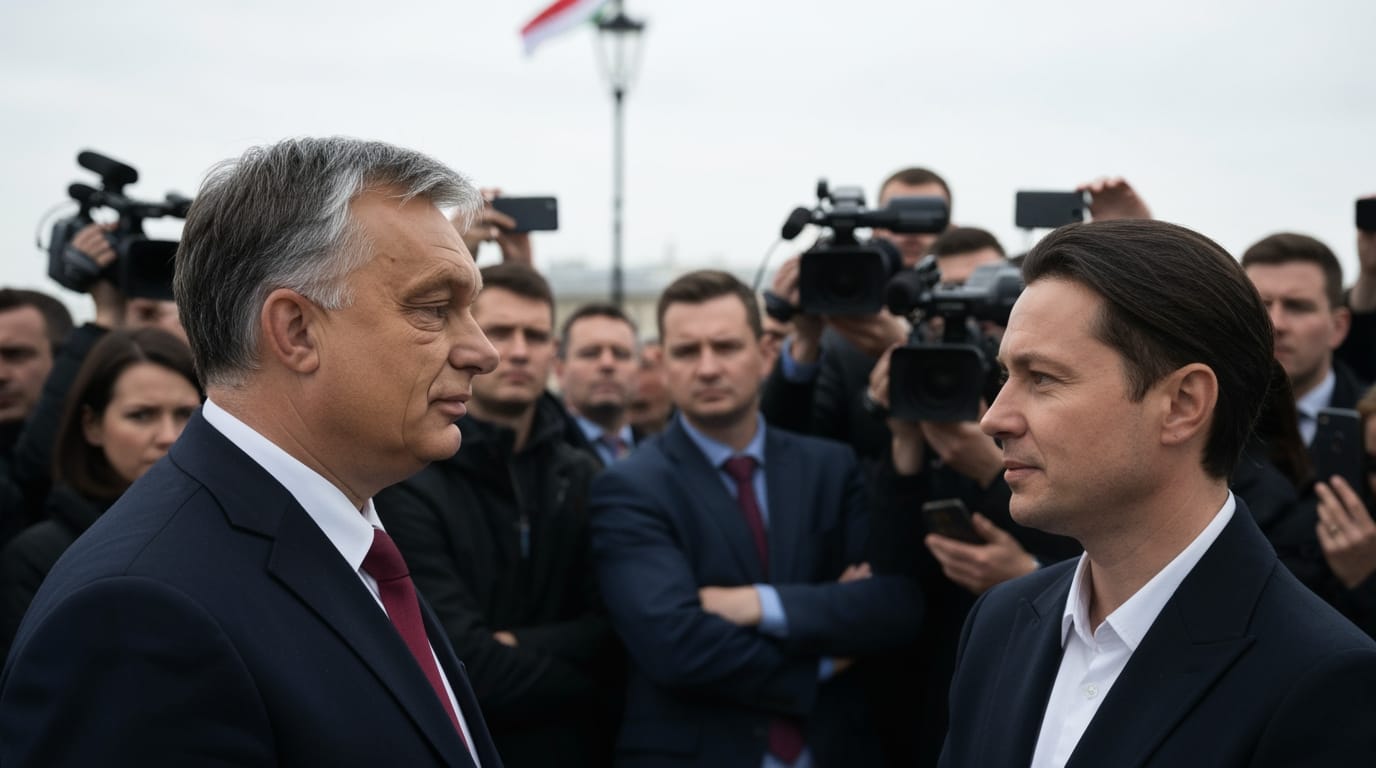
BUDAPEST – Hungary stands at a critical juncture as its upcoming parliamentary election on April 12, 2026, pits long-serving Prime Minister Viktor Orbán against a surging opposition led by former insider Péter Magyar. The campaign has devolved into a bitter exchange of accusations, reflecting the high stakes for the nation's domestic trajectory, its relationship with the European Union, and its geopolitical alignment. With polls indicating an unprecedented challenge to Orbán's 16-year tenure, this election is being heralded as one of the most consequential in Hungary's modern history, drawing international attention for its potential ramifications across Europe and beyond.
A Reign Challenged: Orbán's Enduring Influence and Mounting Pressure
Prime Minister Viktor Orbán, leader of the Fidesz party, has been a dominant force in Hungarian politics since 2010, cultivating an image as a staunch defender of national sovereignty and a proponent of "illiberal democracy." His long rule has seen significant consolidation of power, with critics alleging systemic changes to the electoral system, control over media outlets, and the appointment of Fidesz loyalists to key institutions, raising concerns about the erosion of democratic norms. The European Parliament has gone as far as to classify Hungary as a "hybrid regime of electoral autocracy," where elections occur but democratic standards are not fully respected.
Orbán's administration has championed policies focused on family support, state-led economic initiatives, and caps on energy prices, alongside a narrative of resisting external pressures from the European Union. However, despite these efforts, Hungary faces significant domestic challenges, including economic stagnation, persistent inflation, and a cost-of-living crisis, which have fueled public dissatisfaction. These internal struggles, coupled with widespread concerns over corruption, appear to have created an environment ripe for a potent challenger.
The Rise of a Maverick: Péter Magyar and the Tisza Party
The political landscape shifted dramatically with the emergence of Péter Magyar, a former government insider and husband of Hungary's ex-Justice Minister. Magyar broke ranks with Fidesz in 2024 amidst a public scandal, rapidly galvanizing opposition sentiment under the banner of his Tisza (Respect and Freedom) Party. His rise has been meteoric, uniting disaffected voters from across the political spectrum, including those on the left and right who have grown disillusioned with Orbán's governance. Magyar's campaign has largely focused on internal issues such as corruption and the cost of living, promising sweeping anti-corruption reforms if elected.
Polls suggest Tisza is now leading Fidesz, in some instances by considerable margins, indicating a credible threat to Orbán's long-held grip on power. This development marks a significant departure from previous election cycles where opposition efforts to unify against Fidesz often faltered due to internal divisions. Magyar's momentum has transformed the election into what some observers describe as a "referendum" on Hungary's future direction and its place within the global community.
A Campaign of Accusations: The Battle for Narrative
The intensity of the electoral contest is reflected in the escalating rhetoric between the incumbent and the challenger. Prime Minister Orbán has accused the opposition of colluding with foreign intelligence services and attempting to subvert the election, claiming they threaten his supporters with violence. He portrays the challenge as "an organised attempt to use chaos, pressure, and international vilification to call into question the decision of the Hungarian people." Orbán's campaign frequently emphasizes foreign policy, particularly the ongoing war in Ukraine, leveraging concerns about national security and sovereignty.
In response, Magyar has fired back, accusing Fidesz of orchestrating "election fraud," engaging in criminal acts, intelligence operations, disinformation, and disseminating fake news. He asserts that Orbán "will be removed by the very same people… he has abandoned and betrayed: millions of Hungarian citizens." Magyar's strategy also includes leveraging social media to mobilize voters, contrasting his energetic approach with Orbán's perceived detachment from domestic realities. The campaign has also seen concerns raised about the increasing use of unlabelled AI-generated political content.
Geopolitical Crossroads: Implications for Europe and Beyond
The outcome of Hungary's election carries substantial geopolitical implications, extending well beyond its borders to the European Union, the United States, Russia, and Ukraine. Orbán's consistent use of his veto power to obstruct EU decisions, particularly concerning aid to Ukraine and sanctions against Russia, has made him a contentious figure in Brussels. His close ties with Moscow are a source of significant concern for many Western allies, who view Hungary as unofficially representing Russian interests within the EU. Consequently, nearly €20 billion in EU funds remain frozen due to ongoing disputes over rule of law concerns and legislative maneuvers deemed contrary to EU values.
Péter Magyar, while sometimes cautious on Ukraine, has articulated a platform that favors improved relations with NATO and the EU, pledging to end what he terms the "betrayal" of Hungarian and European interests through collaboration with Russia. A change in leadership could potentially alleviate the friction between Budapest and Brussels, though some analysts caution that fundamental shifts in Hungarian foreign policy may not be immediate. The election also tests the network of like-minded political allies cultivated by Orbán, including endorsements from figures like former U.S. President Donald Trump and U.S. Vice President J.D. Vance.
Conclusion: A Nation's Choice with Far-Reaching Consequences
As Hungarians prepare to cast their ballots, the election represents a pivotal moment for a nation grappling with its political identity and future direction. The entrenched power of Viktor Orbán's Fidesz party, built over more than a decade, faces an unprecedented and robust challenge from Péter Magyar's nascent Tisza Party, fueled by public discontent over domestic issues and a desire for change. The rhetoric has grown increasingly sharp, with both sides trading accusations of subversion and malfeasance, underscoring the deep divisions within the country. The outcome will not only determine Hungary's leadership but will also have significant ramifications for the cohesion of the European Union, its response to global conflicts, and the broader balance of power in Central Europe. The world watches closely as Hungary navigates this crucial electoral test.


