Germany Grapples with Surging Inflation as Fuel Costs Escalate Amid Geopolitical Tensions
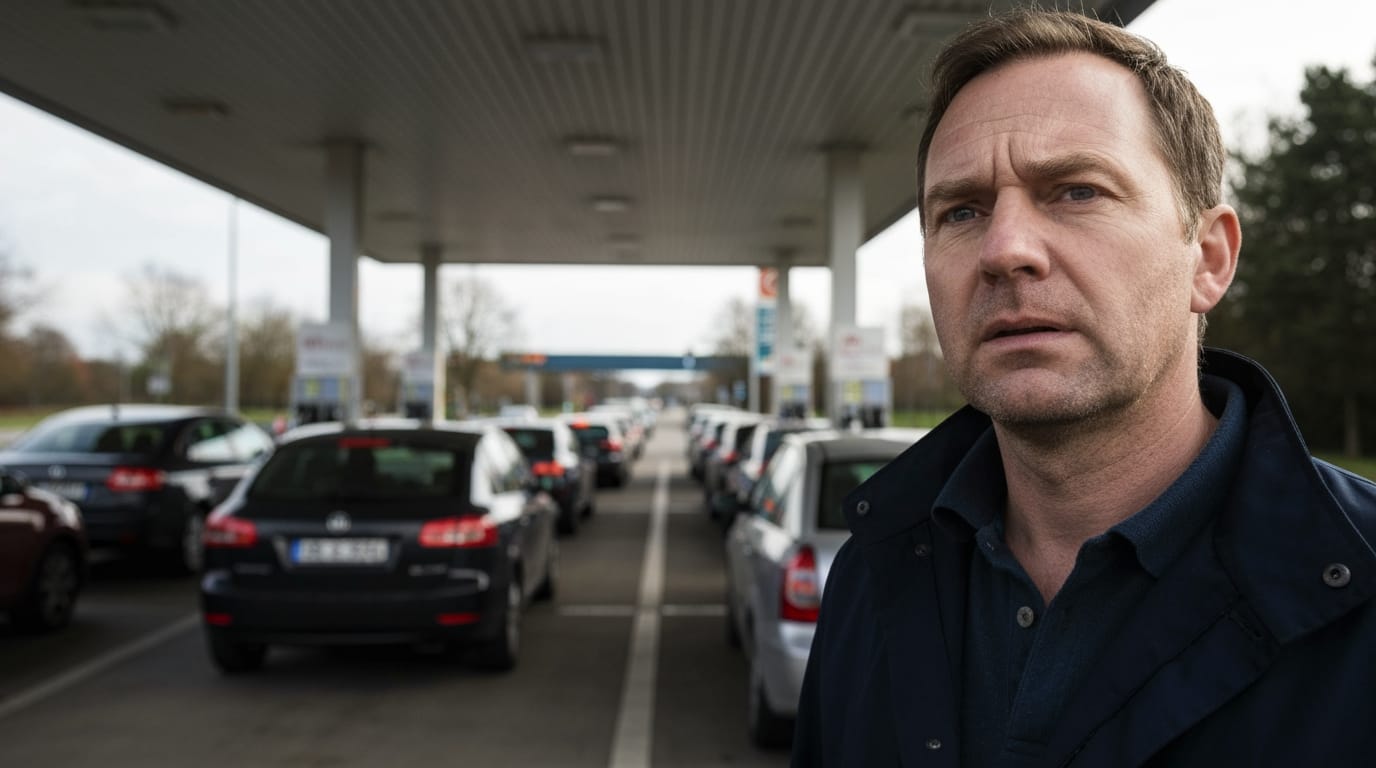
BERLIN, Germany – Germany is once again confronting a significant uptick in inflation, largely propelled by a sharp rise in fuel costs stemming from ongoing geopolitical conflicts. The nation's annual inflation rate climbed to 2.7% in March 2026, marking its highest level since January 2024 and exceeding previous months' figures, as energy prices witnessed a substantial increase. This renewed inflationary pressure poses a formidable challenge to an economy striving for recovery after a multi-year downturn.
Energy Prices Drive Inflationary Spiral
The latest data from the Federal Statistical Office (Destatis) highlights a critical development: energy prices surged by 7.2% year-on-year in March 2026, marking the first annual increase since December 2023. This rise was particularly pronounced in motor fuels, which saw a 20.0% increase, and heating oil, skyrocketing by 44.4% compared to March 2025. These escalations are directly attributed to global oil market dynamics, exacerbated by heightened tensions in the Middle East and the Iran war, including the blocking of the Strait of Hormuz. Experts warn that this "energy price shock" is hitting Germany's economy hard, dampening prospects for a robust recovery.
Economic Forecasts Downgraded Amid Uncertainty
The ripple effects of rising energy costs are casting a shadow over Germany's economic outlook. Leading economic institutes have collectively revised down their growth forecasts for both the current and coming years. Projections for Germany's Gross Domestic Product (GDP) growth in 2026 have been slashed to 0.6%, a significant reduction from the 1.3% forecast in September. Similarly, the 2027 forecast has been lowered to 0.9% from 1.4%. Inflation projections have simultaneously been raised, with institutes now expecting an annual rate of 2.8% in 2026 and 2.9% in 2027. This indicates a challenging economic environment where higher energy import costs are expected to reduce Germany's income by approximately 50 billion euros over 2026 and 2027. The Kiel Institute for the World Economy, for instance, forecasts a 0.8% GDP growth for this year, acknowledging the dampening effect of the recent energy price spike.
Households Bear the Brunt of Rising Costs
German households continue to face elevated energy expenditures, with average costs remaining 31% higher than pre-crisis levels in 2022. An analysis revealed that a typical three-person household now allocates an estimated €5,407 annually to energy, a substantial increase from €4,121 in 2021. While government measures have helped mitigate the overall rise in household energy prices, resulting in a 1.2% year-on-year decrease for household energy overall in March 2026 (including electricity, natural gas, and district heating), the sharp increases in motor fuel and heating oil are directly impacting daily budgets. Low-income households are particularly vulnerable, experiencing a disproportionately higher burden from these increased costs relative to their disposable income.
Policy Responses and Central Bank Stance
In response to the escalating fuel prices, the German parliament has approved initial measures aimed at curbing the surge. These include legislation allowing petrol stations to adjust prices only once daily, at midday, and granting national antitrust authorities more power to act against excessive pricing. However, the effectiveness of such measures in significantly lowering prices is already being debated, with some suggesting they may inadvertently encourage companies to price in future risks.
The European Central Bank (ECB) maintains its unwavering commitment to achieving a medium-term inflation target of 2%. The recent surge in energy prices has revived inflation concerns, prompting financial markets to anticipate potential interest rate hikes. Christine Lagarde, President of the ECB, has affirmed the bank's readiness to take action to prevent higher energy costs from spilling over into broader-based inflation, emphasizing that the ECB "will not hesitate" to act if necessary to ensure price stability. While monetary policy cannot directly reduce energy prices, the ECB's focus remains on managing inflationary expectations and preventing second-round effects through wage increases.
Looking Ahead: A Path to Recovery Amidst Headwinds
The current inflationary pressures, primarily driven by external energy shocks, underscore the fragility of Germany's economic recovery. While expansionary fiscal policy is providing some support, preventing a more severe economic downturn, the long-term outlook remains sensitive to the stability of global energy markets. The assumption by economic institutes that the Strait of Hormuz will become fully passable again in the second quarter of 2026 and that energy prices will gradually decline from summer onward, albeit not to pre-war levels, offers a glimmer of hope for easing inflationary pressures. However, the persistence of geopolitical conflicts and their unpredictable impact on energy supplies will continue to be a dominant factor shaping Germany's economic trajectory in the months to come.


