Morocco Intercepts Dozens Amid Renewed Migrant Pressure on Ceuta Enclave
Ceuta, Spain – Moroccan authorities have intercepted at least 111 individuals attempting to cross into Spain's North African enclave of Ceuta, a move that signals intensified efforts to curb irregular migration following widespread social media calls for a new mass crossing. The detentions, which occurred Friday, August 15, come just two weeks after an unprecedented influx saw tens of thousands of migrants surge into the Spanish territory, overwhelming its infrastructure and reigniting a complex humanitarian and diplomatic crisis at Europe's only land border with Africa.
The latest detentions underscore the volatile nature of the Ceuta border, a flashpoint for migration between Africa and Europe. Security forces on both sides have heightened their presence in recent days, acutely aware of the potential for further mass movements. The ongoing challenges highlight the intricate balance between human aspirations for a better life, stringent border controls, and the often-strained diplomatic relations between Morocco and Spain.
Heightened Security Averts Another Mass Influx
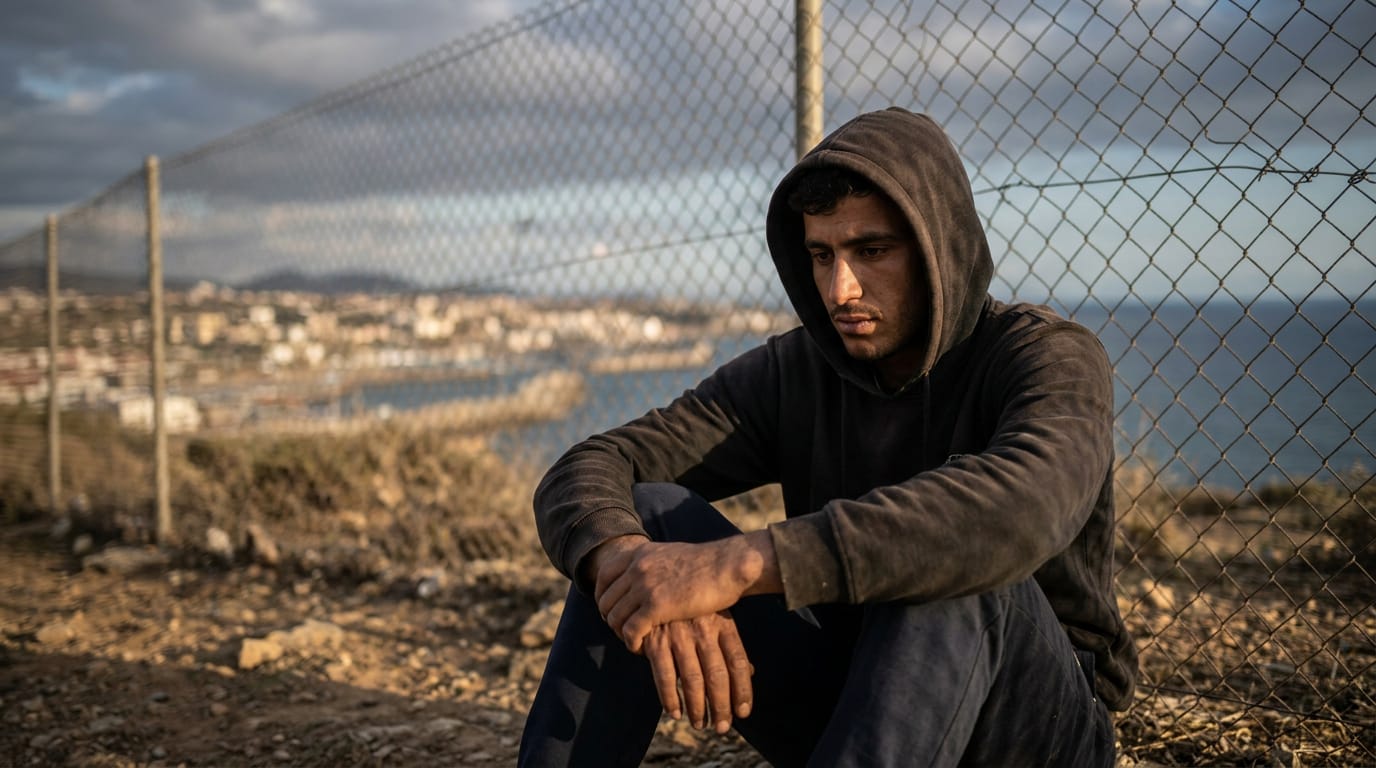
Moroccan police arrested a total of 111 people, including 109 sub-Saharan African migrants and two Moroccan citizens, in and around Fnideq, the Moroccan city directly opposite Ceuta, on Friday. This crackdown followed a flurry of online messages circulating for days, encouraging individuals to attempt another mass crossing into the Spanish enclaves, reminiscent of the events of late July. Reports from Spanish news agency EFE indicated that Moroccan police deployed tear gas to disperse groups of migrants who had gathered on hills approximately three kilometers from the border, indicating a robust response to pre-empt any large-scale breach.
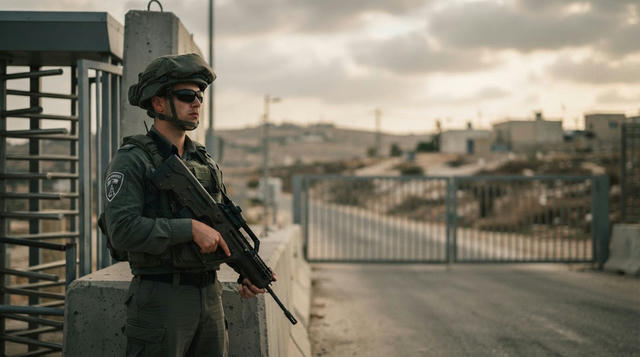
In Ceuta itself, Spanish authorities have also dramatically reinforced their security posture. The city, which experienced chaos during the previous surge, remains under a state of elevated vigilance. Spanish soldiers have been deployed to guard supermarkets, while police heavily patrol the main streets, aiming to restore a sense of normalcy and deter further attempts. Spain has also installed a maritime barrier and dispatched more than 500 additional police officers from mainland Spain, bringing the total number of security personnel in Ceuta to over 1,600. Spain's Interior Minister Fernando Grande-Marlaska affirmed that these reinforcements would remain indefinitely to prevent a recurrence of the July 30 events.
The proactive measures reflect a clear intent by both Rabat and Madrid to prevent a repeat of the recent overwhelming scenes, signaling a tightening of border controls that contrasts sharply with perceived laxity during the late July crisis.
The Unprecedented Surge of Late July
The recent detentions are inextricably linked to the massive migratory event that unfolded between July 30 and July 31, 2026. During this 48-hour period, an estimated 72,000 migrants, predominantly young men, crossed into Ceuta from Morocco. This unprecedented influx, described by Spanish officials as a humanitarian and social emergency, saw people entering the enclave by swimming around breakwaters and the Tarajal border fence, while others breached the land fence. The sheer scale of the crossings overwhelmed local reception facilities, with parks and streets becoming crowded with new arrivals.
The human cost of this desperation was tragically high. At least 96 people died in the attempt to reach European soil, with some drowning and others perishing in stampedes while attempting to cross physical barriers. Spanish authorities initially reported 67 deaths, with numbers later rising as high as 111 according to some sources, including those who died in Moroccan territory. The crisis drew international attention, prompting Spain to deploy its military to assist law enforcement and triggering intense debate within the European Union regarding border management and humanitarian responsibilities.
While the vast majority of these migrants—approximately 70,000 according to Spanish figures—were returned to Morocco in the days following the initial surge, thousands have remained in Ceuta, including a significant number of unaccompanied minors.
Ceuta: A Geopolitical Chessboard
Ceuta, along with Melilla, constitutes the European Union's only land border with Africa, a unique geographical and political reality that makes it a constant point of contention. Spain has held Ceuta since 1580, but Morocco does not recognize Spanish sovereignty over the territory, considering it an "occupied Moroccan enclave." This historical dispute often intertwines with migration dynamics, turning border control into a strategic instrument in diplomatic relations.
Past incidents, such as the 2021 border crisis where 8,000 people entered Ceuta after Morocco loosened its border controls amidst a diplomatic spat, illustrate how migration can be leveraged in geopolitical maneuvering. While Moroccan officials attribute the recent mass crossings to "criminal organizations" and assert their commitment to cooperation with Spain, many analysts suggest that the fluctuations in border enforcement can serve as a point of pressure in bilateral negotiations. The effectiveness of Spanish-Moroccan cooperation on migration has been recognized by the European Commission, underscoring the vital, albeit sometimes contentious, partnership between the two nations in managing irregular flows.
The latest crisis has again highlighted Spain's dependence on Moroccan cooperation for border security and exposed the limits of Ceuta's reception capacity. This dynamic frequently places Morocco in a powerful position regarding control of the southern perimeter of the enclaves.
Humanitarian Challenge and Policy Responses
The aftermath of the July surge left Ceuta grappling with a severe humanitarian crisis. Reception centers were overwhelmed, with many individuals resorting to makeshift accommodations or sleeping on the streets. The healthcare system in Ceuta reportedly neared collapse, with hospital emergency rooms treating waves of patients for injuries sustained during the crossing, including drowning, hypothermia, fractures, and dislocations.
The presence of thousands of migrants, particularly unaccompanied minors, has sparked calls for urgent action. Ceuta's President, Juan Jesús Vivas, has advocated for the establishment of internment centers to hold and process migrants more effectively, stating that the situation for the thousands remaining in the city is "unsustainable." Spain's interior ministry has emphasized the need to restore normality and prevent similar events. However, the legal complexities surrounding the deportation of unaccompanied minors, who enjoy special protection under Spanish law, present a significant challenge. The Spanish government has allocated funds to support these minors and potentially transfer them to mainland Spain.
The crisis has also fueled broader political debates within Spain and the European Union, with some voices framing the events as an "invasion" and others highlighting the fundamental drivers of migration, such as economic hardship and the lack of safe and legal routes to seek protection.
Conclusion: A Continuous Flow at Europe's Edge
The recent detentions by Moroccan authorities near Ceuta serve as a stark reminder of the ongoing and complex challenges at Europe's southern frontier. While the immediate clampdown appears to have averted another mass crossing, the underlying pressures that drive thousands to risk their lives remain. Ceuta stands as a microcosm of global migration dilemmas, where human aspirations collide with sovereign borders, diplomatic intricacies, and humanitarian imperatives. The delicate balance between enforcing border security, managing humanitarian needs, and fostering cooperative relations between Morocco and Spain will continue to define the narrative of this critical gateway to Europe for the foreseeable future.