Mosque Replica on Loyalist Bonfire Declared Hate Crime, Man Arrested in Northern Ireland
Moygashel, Northern Ireland – In an incident drawing widespread condemnation and escalating tensions ahead of traditional July commemorations, a replica mosque displayed atop a loyalist bonfire in Moygashel, County Tyrone, has been officially classified as a hate-motivated criminal offense by the Police Service of Northern Ireland (PSNI). The provocative display, which included anti-immigrant and anti-Muslim banners, led to the arrest of a 56-year-old man on Thursday, raising serious concerns about community relations and the ongoing challenge of sectarianism and xenophobia in the region.
The Provocative Display and Immediate Fallout
The replica mosque, a prominent feature on the towering pyre of wooden pallets, became the focal point of outrage in Moygashel. Accompanying banners prominently displayed messages such as "secure our borders" and "end the threat of radical Islam." Reports also indicated that the model mosque featured an effigy of a person holding what appeared to be a knife within one of its windows, with the lettering "Islamic fascism" also visible on the structure. This highly inflammatory imagery emerged just hours before the bonfire was scheduled to be ignited on Friday night, marking the traditional "Eleventh Night" celebrations that precede the July 12 Orange Order parades.
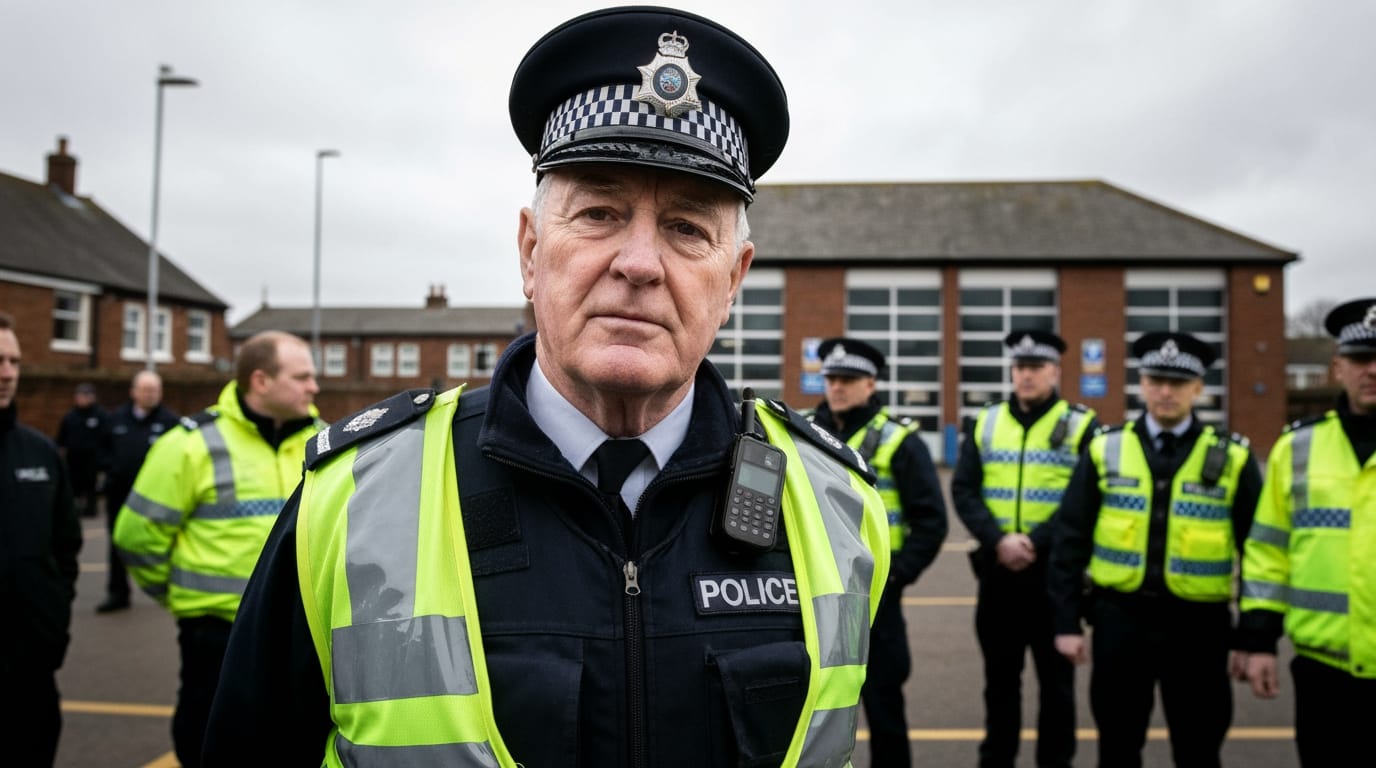
The PSNI swiftly confirmed its investigation into the incident, treating it as a hate-motivated criminal offense. A 56-year-old man was taken into custody on Thursday under suspicion of contravening Article 9 of the Public Order (NI) Order 1987, which pertains to displaying material intended to stir up hatred. The arrest underscores the seriousness with which authorities are addressing the incident, particularly given its potential to further inflame sectarian and racial tensions.
The Troubled Tradition of Eleventh Night Bonfires
Loyalist bonfires are an annual fixture across Northern Ireland, traditionally lit on the eve of July 12 to commemorate the Protestant King William of Orange's victory over the Roman Catholic King James II at the Battle of the Boyne in 1690. While many of these fires are viewed by participants as family-friendly community celebrations of cultural heritage, a growing number have become flashpoints of controversy due to the placement of offensive symbols.
The Moygashel bonfire site, in particular, has a history of attracting criticism for its provocative displays. Last year, the same location sparked widespread condemnation when an effigy depicting migrants in a boat was set alight. Previous years saw a mock PSNI vehicle and a boat representing the post-Brexit Irish Sea economic border also torched. Just last month, a "Muslims not welcome" banner was removed by police from a children's playpark in Moygashel, indicating a pattern of anti-immigrant and anti-Muslim sentiment in the area. These repeated instances highlight a worrying trend where traditional celebrations are increasingly being co-opted to promote xenophobic and sectarian messages.
Waves of Condemnation and Legal Ramifications
The incident has triggered a wave of condemnation from across the political and religious spectrum. Northern Ireland Secretary Hilary Benn described the display as a "sickening and cowardly act of intimidation," emphasizing that it does not represent the majority of people in Northern Ireland. He urged unity in rejecting such hatred. Leaders from across Northern Ireland's political divide, including representatives from Sinn Féin, the Alliance Party, and the SDLP, denounced the display as a clear hate crime, calling for its immediate removal and robust police action. Colm Gildernew, a Sinn Féin MLA, underscored that there is no place for racism in society and that leaders must stand against it.
Religious leaders also voiced their profound dismay. Archbishops John McDowell and Eamon Martin issued a joint statement calling the replica mosque "grossly offensive" and imploring people to show compassion towards those of other faiths. The Church of Ireland's Archbishop of Dublin, Michael Jackson, expressed alarm at sectarianism "morphing" into racism while retaining its sectarian component, calling it a "massive wake-up call."
Human rights organizations have been equally vocal. Amnesty International's Northern Ireland director, Patrick Corrigan, labeled the display a "vile" and "blatant attempt to stir up anti-Muslim hatred and intimidate local families." He urged police to investigate it as a potential crime and ensure the material's swift removal to prevent further incitement.
In Northern Ireland, a hate crime is defined as any criminal offense perceived, by the victim or any other person, to be motivated by hostility or prejudice based on characteristics such as race, religion, sexual orientation, gender identity, or disability. The perception of the victim or any other person is a defining factor in determining whether an incident is classified as a hate crime. The arrest of the 56-year-old man under public order legislation highlights the legal framework in place to address such acts, with penalties for those found guilty of inciting hatred.
Broader Societal Tensions and the Call for Unity
This incident unfolds amidst a period of heightened social tension in Northern Ireland. It follows recent anti-migrant violence and riots that swept through Belfast and other areas, triggered in part by a knife attack for which a Sudanese man has been charged. The Moygashel Bonfire Association, in a statement defending its display, characterized it as a "political protest" against "uncontrolled illegal mass immigration" and a "failure to deport" foreign criminals. They claimed their actions, while potentially shocking, offended, or outraged, constituted an exercise of their rights under Article 10 of the European Convention on Human Rights, and that their protest was against ideology and government policy, not individuals. However, this assertion is widely rejected by critics who view the targeting of religious symbols as a direct attack on individuals and communities.
The targeting of a mosque replica sends a chilling and dangerous message to Muslim communities in Northern Ireland and beyond, as noted by the non-profit group Faith Matters. Such acts undermine the fabric of a society striving for peace and reconciliation, particularly in a region with a deeply rooted history of sectarian conflict. The calls for unity and rejection of hatred from political and religious leaders reflect a broad societal desire to prevent such divisive acts from derailing progress toward a more inclusive future.
A Test of Cohesion
The Moygashel incident serves as a stark reminder of the persistent challenges facing Northern Ireland in fostering true social cohesion. While the loyalist bonfire tradition holds cultural significance for some, its misuse as a platform for hate speech and intimidation continues to be a source of deep division and distress. The swift police response and the widespread condemnation from diverse segments of society signal a clear rejection of such bigotry. As investigations continue and the community grapples with the implications of this provocative act, the resolve to uphold mutual respect and combat all forms of hatred will be severely tested, highlighting the ongoing effort required to build a shared and peaceful future for all in Northern Ireland.