Mozambicans in Malawi Cautiously Eye Return Home After Post-Election Violence
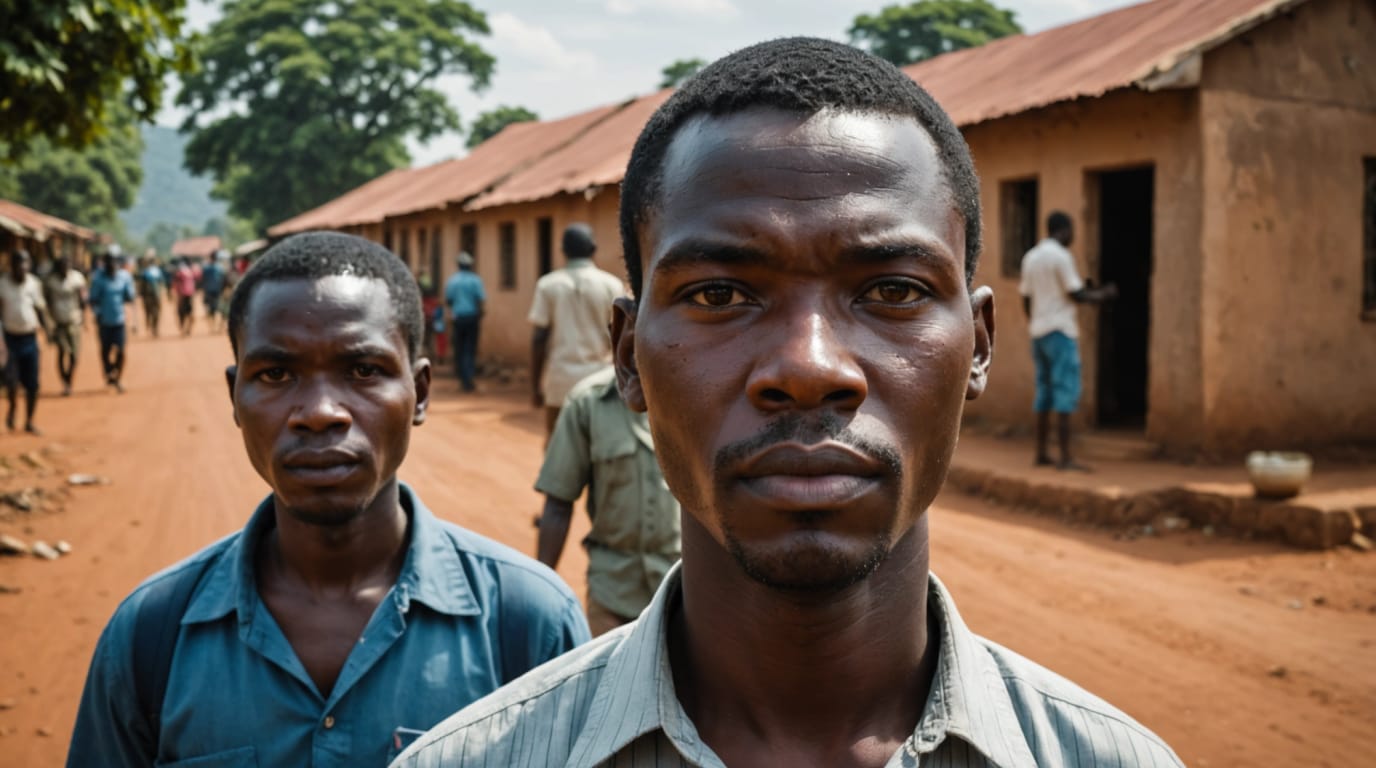
Following a period of unrest and violence surrounding Mozambique's disputed October 2024 elections, thousands of Mozambicans who sought refuge in southern Malawi are now cautiously considering returning to their home country. While assurances of safety and stability have been offered by Mozambican authorities, the memories of violence and loss linger, creating a complex and delicate situation for both the refugees and the governments involved.
The Exodus to Malawi
The violence erupted in the wake of the October 2024 elections, which saw Daniel Chapo of the ruling Frelimo party assume the presidency, succeeding Filipe Nyusi. Opposition leader Venancio Mondlane's claims of a rigged election ignited widespread protests across Mozambique. When the Constitutional Council upheld Chapo's victory, continuing Frelimo's long-standing dominance since the country's independence in 1975, the protests intensified, leading to clashes between security forces and demonstrators. An estimated 300 people were killed, prompting approximately 13,000 Mozambicans to flee across the border into southern Malawi, primarily settling in the Nsanje district, an area geographically surrounded by Mozambique.
The refugees arrived in Malawi with few possessions, many having traveled on foot, by boat, or road. Some even risked crossing rivers infested with crocodiles and hippopotamuses, carrying their children on their backs. They sought shelter in displacement camps near small villages, where basic necessities like food and medicine were scarce.
Assurances of Safety and the Repatriation Effort
As the situation in Mozambique stabilized, both Mozambican and Malawian officials initiated a repatriation drive, encouraging refugees to return home. Mozambican authorities, including representatives from the Institute of Disaster Management Affairs, visited refugee camps in Malawi, assuring the displaced population that peace had been restored and that they would be safe upon their return. Luisa Celma Meque, head of the Institute of Disaster Management Affairs in Mozambique, expressed gratitude to the Malawian government for its support of the asylum seekers.
The Mozambican government has pledged to protect returning refugees. However, skepticism remains among some refugees who have lost homes, property, and loved ones during the conflict.
Concerns and Conditions for Return
Despite the assurances, many Mozambicans in Malawi harbor reservations about returning home. Some refugees had their properties destroyed, cattle stolen, crops burned, or relatives killed. For them, there is little to return to. The violence they experienced and the losses they suffered have created a deep sense of uncertainty and fear.
Reymond Commando, a Mozambican traditional leader from the Mulili area, stated that refugees would only return if there was concrete proof of their safety, highlighting the need for tangible evidence of stability and security before people feel comfortable returning to their homes.
Adding to the complexity, Malawi is currently facing its own challenges, including food shortages affecting over a quarter of its 20 million people due to an El Nino-induced drought. This situation strains the country's resources and its capacity to continue supporting the refugees.
Voluntary Repatriation and the Path Forward
Repatriation is currently being carried out on a voluntary basis. Malawian authorities emphasize the importance of Mozambicans returning home to tend to their crops, as prolonged stays in Malawi could exacerbate food security issues for their families.
According to Mozambique's National Institute for Disaster Risk Reduction and Management (INGD), conditions are in place to assist Mozambicans returning home. César Tembe, the director of the Prevention and Mitigation Division at the INGD, stated that families without habitable houses would be provided with temporary shelter in tents, along with essential items like blankets and mosquito nets.
Local administrators in Mozambique have also expressed readiness to welcome the returning families. However, some refugees are requesting increased security measures in their areas of origin and calling for dialogue between political parties to prevent future violence.
Cautious Optimism and the Need for Continued Support
The situation remains fluid, with Mozambicans in Malawi weighing the assurances of safety against the memories of recent violence and loss. While some are willing to return and rebuild their lives, others remain hesitant, seeking concrete evidence of lasting peace and security.
The repatriation process requires careful management and coordination between Mozambican and Malawian authorities, as well as support from international organizations. Continued monitoring of the situation, transparent communication, and the provision of adequate resources are crucial to ensuring a safe and sustainable return for those who choose to go back to Mozambique. The success of this repatriation effort will not only depend on the absence of violence but also on addressing the underlying issues that fueled the conflict and fostering an environment of reconciliation and trust.


