Mozambique's President Chapo Navigates Dialogue and Discord After Disputed Election
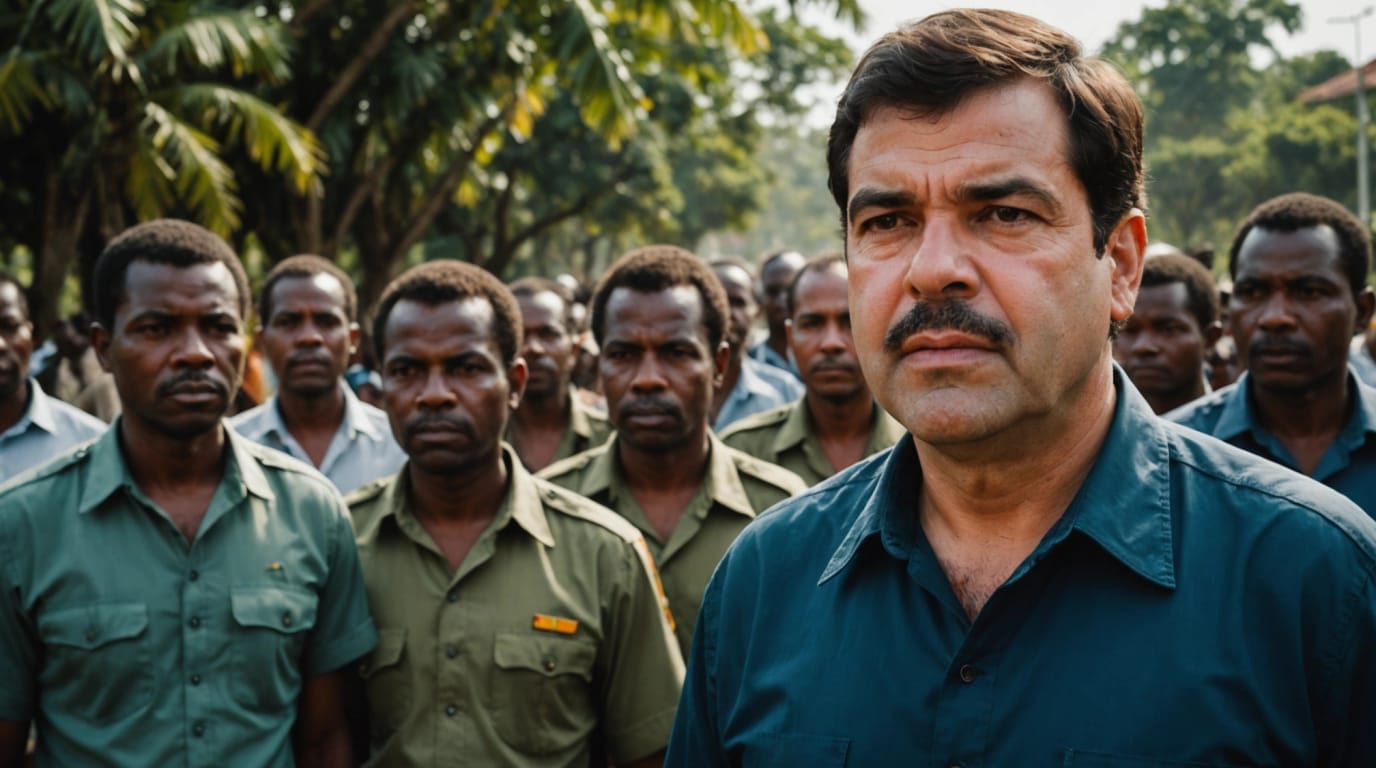
Mozambique's political landscape remains tense as President Daniel Chapo attempts to bridge divides following a contested election in October 2024. While Chapo has initiated dialogues with some opposition parties and civil society leaders, the exclusion of key opposition figure Venancio Mondlane and recent clashes between protesters and police highlight the challenges in achieving national reconciliation. The path forward appears to require a delicate balance of engagement and firmness to restore stability in the nation.
Post-Election Turmoil and Calls for Dialogue
The October elections triggered widespread protests, fueled by allegations of fraud against the ruling FRELIMO party. These demonstrations resulted in over 300 deaths and significant damage to property, underscoring deep-seated divisions within Mozambican society. In response, the international community, including the Southern African Development Community (SADC), has urged all parties to seek peaceful resolutions.
President Chapo, who assumed office amidst this turmoil, has emphasized the importance of national unity and reconciliation. In his inaugural address, he pledged to prioritize social harmony and initiate dialogue with the opposition. He has since engaged with leaders of political parties holding parliamentary seats, aiming to address state reforms, including amendments to electoral laws and the constitution.
A Dialogue Without All Voices
Despite these efforts, a significant point of contention remains the exclusion of Venancio Mondlane, who has emerged as a prominent opposition leader. Mondlane, who claims to have won the election, has been leading protests against the official results. His absence from the dialogue table has drawn criticism from observers who argue that genuine reconciliation requires the inclusion of all major stakeholders.
Chapo's administration has defended its approach by stating that the initial phase of dialogue focuses on parties with parliamentary representation, with plans to later include civil society, religious organizations, and academia. However, Mondlane's supporters view his exclusion as a deliberate attempt to sideline a powerful voice of dissent.
Confrontation and Compromise
The complexities of the situation were further highlighted by recent events surrounding the signing of a "compromise agreement" for an "inclusive national dialogue" on March 5. While President Chapo and several other leaders signed the agreement, Mondlane refused to participate. A protest organized by his supporters was dispersed by police using tear gas and live ammunition, leading to reports of casualties and heightened tensions.
The government has denied allegations that Mondlane's convoy was targeted with gunfire, stating that police were instructed to prevent disruptions to the signing ceremony. However, Mondlane's supporters have condemned the police action as an "ambush," further deepening the divide between the opposition and the government.
Shadow Governance and Rising Tensions
Adding to the instability, Mondlane has adopted a strategy of "shadow governance," issuing what he calls "presidential decrees" and calling for civil disobedience. These actions, including boycotts of toll fees and demands for price reductions on essential goods, have resonated with some segments of the population but have also led to further protests and occasional violence.
Mondlane has also announced a controversial "retaliation doctrine," threatening reciprocal violence against police officers for any harm inflicted on protesters. This escalation of rhetoric raises concerns about the potential for further conflict and undermines efforts to foster a peaceful resolution.
The Path to Reconciliation
Mozambique faces a critical juncture. To move forward, President Chapo must demonstrate a genuine commitment to inclusive dialogue, addressing the concerns of all stakeholders, including Venancio Mondlane and his supporters. This may require revisiting the terms of engagement and finding ways to ensure that all voices are heard.
At the same time, Mondlane must be willing to engage in constructive dialogue and reconsider his more extreme demands. A negotiated solution is essential to prevent further escalation of tensions and to restore trust in governance. The international community can play a supportive role by encouraging dialogue and providing assistance in addressing the underlying issues of inequality and political exclusion.
The challenges facing Mozambique are significant, but not insurmountable. By prioritizing dialogue, addressing grievances, and promoting inclusive governance, the country can overcome its current divisions and build a more stable and prosperous future for all Mozambicans. The alternative is a continued cycle of conflict and instability, which would undermine the country's progress and jeopardize the well-being of its citizens.


